Now Reading: Why Do Cats Purr? A Vet Explains the Real Reasons
- 01
Why Do Cats Purr? A Vet Explains the Real Reasons

Certified veterinarian. Last reviewed and updated: November 10, 2026. See our editorial and veterinary review policy.
Why do cats purr? Most owners guess happiness, and that is often true, yet it is not the whole story. Cats also purr when they want food, feel nervous, or hurt. As a vet, I read a purr together with posture and context, and you can learn to do the same.
How a Purr Is Made
Muscles in the voice box twitch rapidly, opening and closing the vocal folds as air passes through. Most cats purr on both the inhale and the exhale, which creates a steady rumble somewhere between 25 and 150 hertz.
Kittens start purring within days of birth. Their rumble likely tells mom that nursing is going well and helps her find them, since newborns cannot see yet.
Why Do Cats Purr? Common Reasons Explained
Contentment
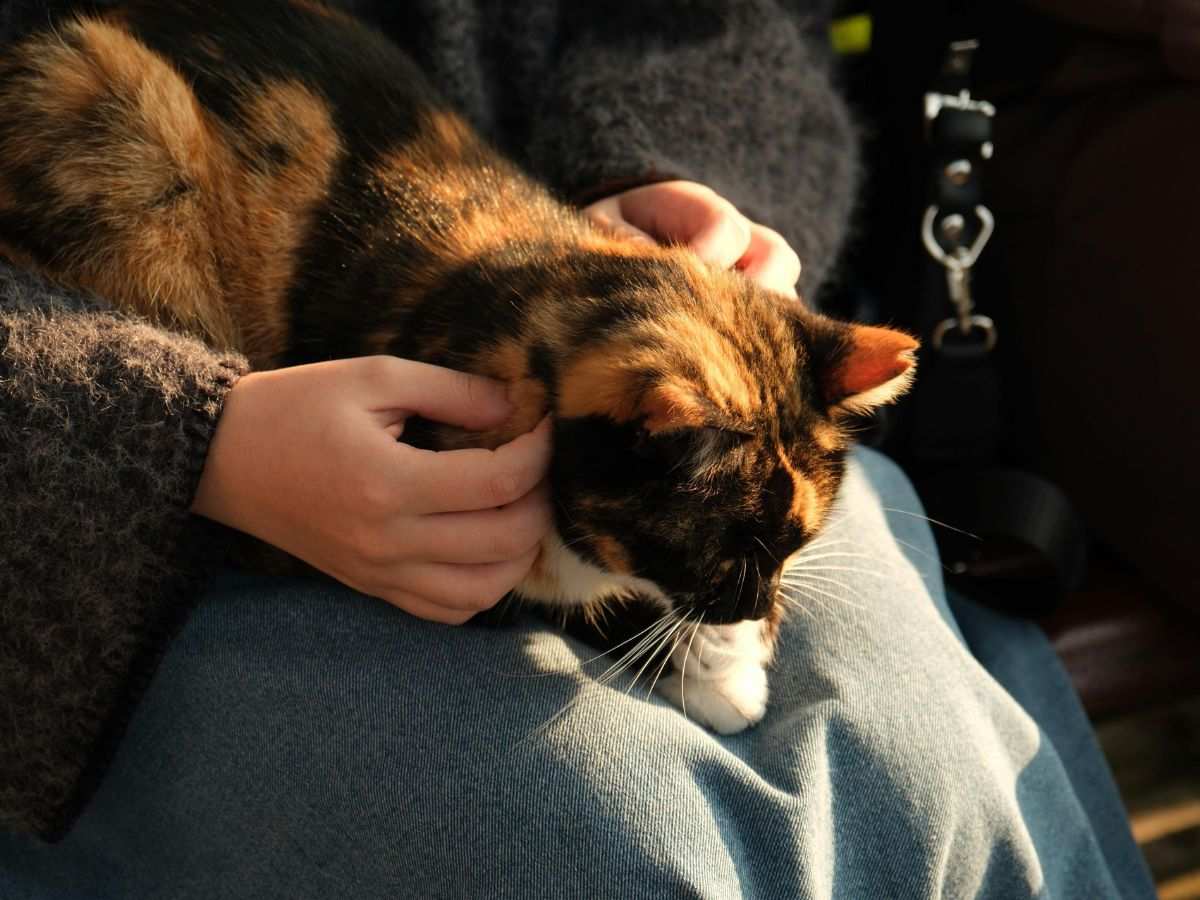
Relaxed cats purr on laps, sunny windowsills, and freshly made beds. Slow blinks, soft ears, and a loose tail confirm the mood. Cats purr during petting because gentle strokes echo a mother’s grooming. Our piece on why cats make biscuits covers another comfort behavior that often arrives with the rumble.
Food Requests
Researchers have found that some cats blend a high-pitched cry into their purr when they want food. Humans find that sound urgent and hard to ignore, and your cat knows it. Expect it near the food bowl at breakfast.
Social Bonding
Cats often purr when you come home, when they groom each other, or when they curl up beside a trusted friend. It works as a social signal that says things are peaceful here.
Self-Soothing Under Stress
Frightened cats may purr in carriers, at the vet, or after an injury. In those moments the sound seems to calm the cat rather than announce joy. Context decides the meaning, so check the rest of the body.
Pain and Illness
Why do cats purr when they feel unwell? Self-soothing is the likely reason. Sick and injured cats purr too, and some queens purr during labor. Never treat purring as proof that your cat feels fine.
Theory of Healing Purrs
Low-frequency vibrations might help bones and tissues recover, which is a popular idea among cat lovers. Science has not proven it, so vets do not treat purring as medicine.
Purr Clues: Match the Sound to the Body
Owners search “what does it mean when a cat purrs” because the answer shifts with the situation. Use this table as a starting point.
| Situation | Likely meaning | Best response |
|---|---|---|
| Loose body, slow blinks, kneading | Contentment | Enjoy the moment |
| Purring plus loud meows near the bowl | Request for food | Review feeding times |
| Tucked posture, flat ears, carrier or clinic | Self-soothing | Keep handling calm |
| Hiding, hunched, skipping meals | Pain or illness | Call your vet |
| Open-mouth or labored breathing | Breathing emergency | Go to an emergency clinic |
Volume and tone carry meaning too. Quiet, steady rumbles usually go with calm rest, while louder, higher, more insistent purrs tend to come with requests. Pay attention to when your own cat uses each version.
Why Do Cats Purr at the Vet?
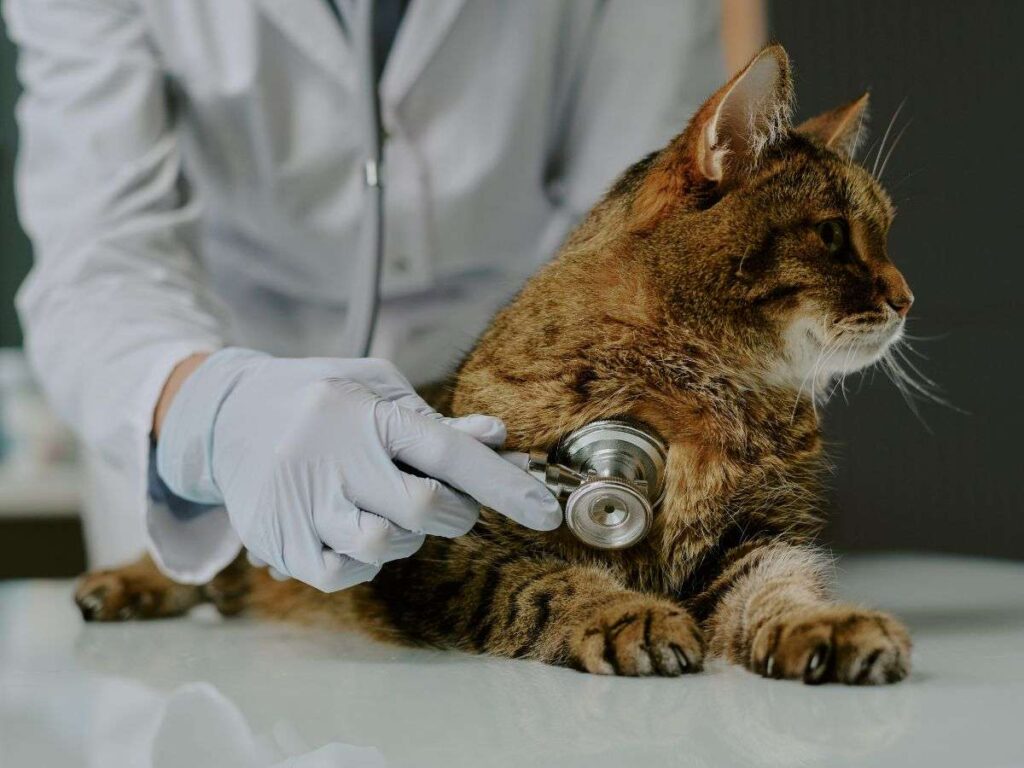
Many cats purr on the exam table, which can fool owners into thinking all is well. Vets watch posture, breathing rate, gum color, and body condition alongside the sound. Stress purring is common in clinics, and a calm, quiet room helps your cat settle.
Is Purring Always a Good Sign?
Not always, and the pattern matters more than the sound. Cats that purr while refusing food, hiding, or hunching need a closer look. Our guide on what to do when a cat is not eating lists the steps vets recommend.
Rumbles rarely stand alone. Slow blinks, head bunts, and a relaxed belly show trust, while a twitching tail or rippling skin signals overload. Match the sound with those body signals before drawing conclusions.
Which Cats Purr, and Which Roar
Domestic cats purr, and so do cheetahs and pumas. Lions, tigers, jaguars, and leopards roar instead. Explore more feline trivia in our facts about cats.
Cats That Rarely Purr
Some cats purr so softly that you only notice it by touch. Others purr seldom, and that is normal for their personality. Worry only when a usually vocal cat goes quiet alongside other changes. Senior cats may purr more as they seek warmth and comfort.
When to Call Your Vet
- Withdrawal, hunching, or appetite loss alongside purring
- New, constant purring in a cat that rarely purrs, especially with other changes
- Rapid or open-mouth breathing at rest
- Rumbles that start only when you touch one sore spot your cat guards
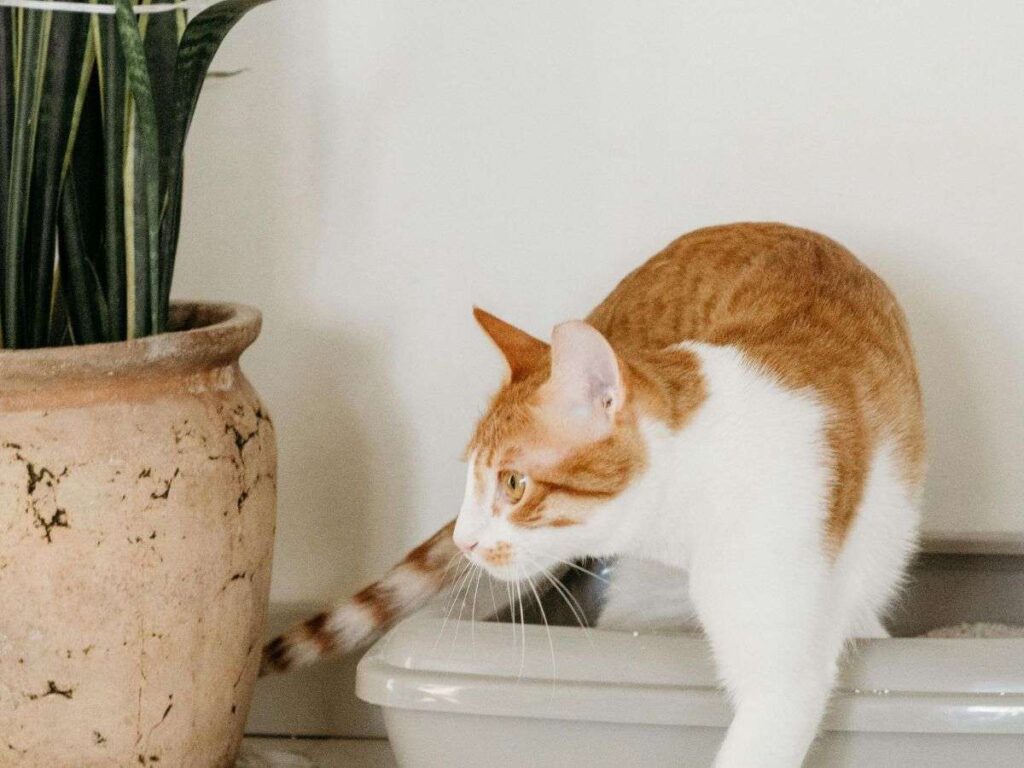
- Sudden changes in litter box habits or energy
Book an exam if two or more of these show up together. Early visits catch small problems before they grow, and you can find more routine care tips in our pet health guide.
Ways to Encourage Happy Purrs
Small habits build trust and bring out contented purrs. Heated beds help senior cats, and predictable routines calm anxious ones.
- Feed on a steady schedule so mealtime stress stays low
- Offer high perches and quiet resting corners
- Schedule short daily play sessions with a wand toy
- Pet only where your cat enjoys it, usually cheeks and chin
- Keep litter boxes clean and easy to reach
Cat Purring Questions Answered
Meal-time rumbles often signal pleasure or anticipation. Cats that purr yet turn away from food may feel nauseated or sore, so watch appetite closely.
Sick and injured cats often purr to self-soothe, so purring alone never proves a cat is fine. Check appetite, litter box habits, and energy as well.
Most kittens purr within the first few days of life, usually while nursing.
Overstimulation can flip a happy cat quickly. Watch for tail flicks, rippling skin, and flattened ears, and stop petting before teeth appear.
So why do cats purr? Because one sound handles many jobs, from comfort to requests to stress relief. Learn your cat’s patterns, notice changes, and call your vet when the purr comes with worry signs. Share this guide with a fellow cat lover.
Sources and Further Reading
Related Posts
Previous Post
Next Post