Now Reading: Why Do Cats Make Biscuits? A Vet Explains
- 01
Why Do Cats Make Biscuits? A Vet Explains


Certified veterinarian. Last reviewed and updated: November 10, 2026. See our editorial and veterinary review policy.
Your cat climbs onto your lap, pushes both front paws into your thighs, and purrs like a tiny engine. Owners call it making biscuits. As a vet, I hear “why do cats make biscuits?” almost daily, and the answer blends instinct, comfort, and communication.
Short answer: kneading starts as a nursing reflex in kittenhood. Adult cats keep it for comfort, scent marking, stretching and nesting.
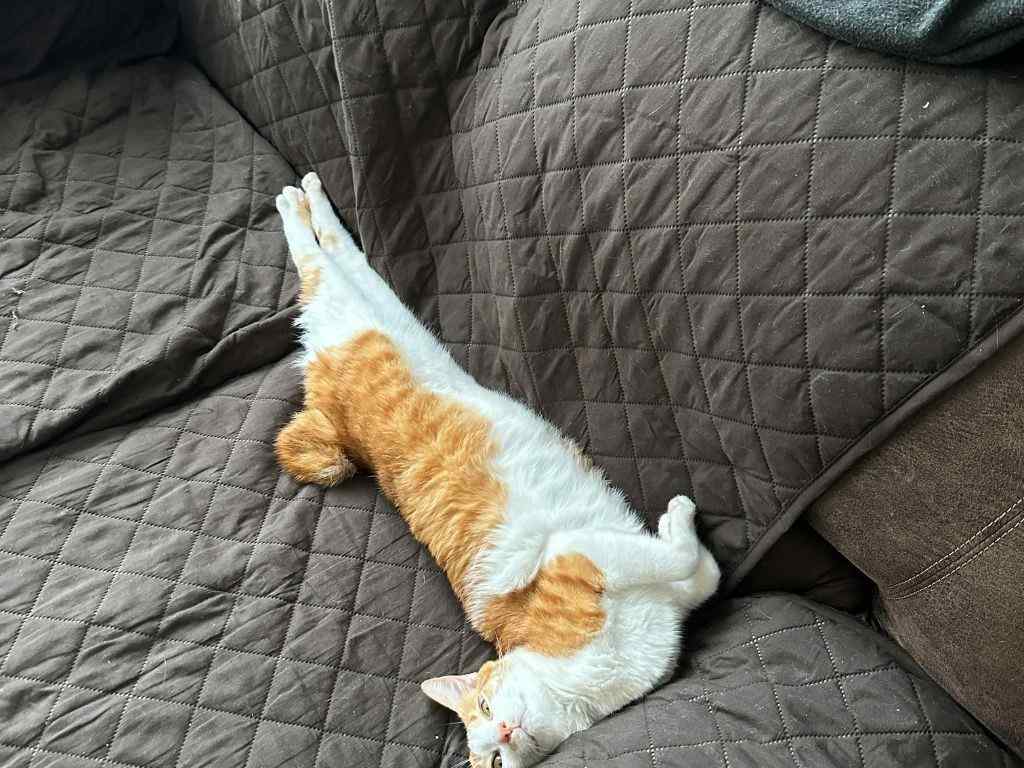
Kitten Roots of Cat Kneading
Newborn kittens press their paws against their mother to stimulate milk flow. They start within days of birth and keep going until weaning, around eight weeks. Many adults hold onto the habit because it still signals warmth and safety.
Animal behavior professor Susan Hazel of the University of Adelaide notes that the movement closely resembles suckling. Some cats even drool or nurse on a blanket mid-session, a clear throwback to kittenhood.
Common Reasons Cats Knead People
Comfort and Trust
Laura Watson of International Cat Care explains that adult cats may knead around trusted people or soft bedding because it recalls nursing comfort. Cats rarely relax this much around anyone they distrust. Consider it a compliment.
Kristyn Vitale, a certified applied animal behaviorist at Unity Environmental University, describes adult kneading as an affiliative behavior. Cats often aim it at favorite people or pets, and it usually means the cat feels happy and safe.
Scent Marking
Paw pads hold scent glands, and Hazel suggests the motion may leave a personal scent behind. Your lap becomes part of the cat’s territory. That is why many cats work you over right before settling in.
Muscle Stretching and Nesting
Muscles in the paws and legs get a good stretch this way. Cats also pat down blankets before sleeping, much like wild relatives flattening grass into a bed. Soft surfaces trigger the habit more than hard floors.
Stress Relief
Repetitive motion soothes nervous cats. Expect more of it after a house move, a vet visit, or a new pet arriving. Alone, the habit rarely signals illness, so watch the overall picture.
Heat and Hormones
Some unspayed females knead more when they are in heat. Spay surgery usually reduces this along with other heat behaviors.

Why Does My Cat Knead Me and Purr?
Purrs and paw pushes usually travel together because both began in the nursing bond. Together they say the cat feels safe. Both often appear at bedtime or during a long petting session.
Curious what else your cat is telling you? Explore these 25 facts about cats to decode more quirks.
Surfaces and Their Meanings
- Your lap: trust, bonding, and a claim of ownership
- Soft bedding: nesting before sleep
- Another pet: affection or a bid for comfort
- Hard sofa arms: mostly stretching and scent marking
Cats love kneading blankets most, because fluffy fabric feels closest to a mother’s fur. Give your cat a dedicated blanket as an approved outlet that also protects your clothes.
Read the Rest of the Body Language
Context matters. Relaxed cats show slow blinks, soft ears, a loose tail, and half-closed eyes. Dilated pupils, flattened ears, or a twitching tail mean overstimulation. Stop petting before the kneading ends in a swat.
Multi-Cat Homes and Shared Scent
Scent matters more when cats share space. Shared blankets mix household smells and build a group scent. Provide several soft spots so shy cats are not crowded out.
Orphaned and Hand-Raised Kittens
Kittens raised without a mother may knead soft toys and blankets for longer. That is normal and usually harmless. Offer a safe plush toy and keep claws trimmed.
Why is it called making biscuits?
Pushing paws in and out looks like a baker working biscuit dough, and the name stuck. Some owners call it making bread for the same reason.
Cats often pick your lap or stomach because both are warm and soft. Kneading there mixes comfort with your scent.
Do dogs make biscuits too?
Dogs rarely knead the way cats do. They more often paw and circle bedding before lying down, which comes from the same nesting instinct.
Frequent, frantic digging at blankets can have other causes, such as boredom or anxiety. Mention it to your vet if it keeps going.
Vet Notes From the Clinic
In clinic, I rarely worry about the kneading itself. Change worries me more. Some cats never knead and then cannot stop, while lifelong kneaders sometimes quit and hide. Sudden shifts can point to pain, arthritis, or anxiety.
Arthritic cats may knead more gently or abandon a favorite spot. Watch for stiffness when jumping, reluctance to climb stairs, and changes in grooming. Early pain relief keeps seniors comfortable and affectionate.
Not Every Cat Kneads
Plenty of healthy cats knead rarely or never, and seniors with sore joints may stop because it hurts. Personality counts as much as history. Cats without the habit still feel just as attached.
Behavior also shifts with age, so check our cat age chart to see where your pet stands.
When Kneading Becomes a Problem
Claws hurt, and fabric snags. Trim nails every few weeks and place a thick blanket on your lap. Reward gentle paws with treats, and calmly stand up if claws come out. Watson warns that punishment harms trust, so never scold.
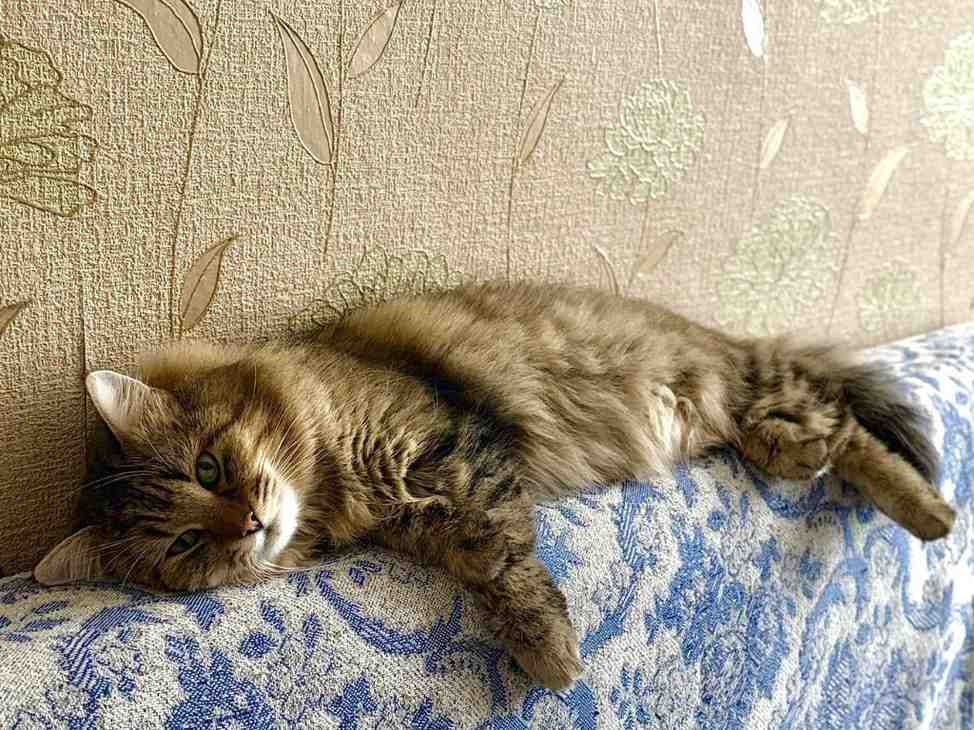
Call your vet if the behavior turns frantic, starts suddenly, or comes with hiding, appetite changes, or over-grooming. Those combinations can signal stress or pain. Book an exam whenever your cat’s routine shifts for more than a few days.
Cat trees, soft-topped perches, and heated beds give kneaders alternatives. Rotate blankets weekly so they stay fresh, since cats favor surfaces carrying their own smell.
Make It Comfortable for Both of You
- Trim claws regularly or ask your vet about nail caps
- Keep a folded thick blanket within reach
- Offer a favorite soft blanket on the couch
- Praise calm kneading with a quiet voice
Final Thoughts From a Vet
Biscuit-making is one of the sweetest behaviors in the cat toolbox. Enjoy it, protect your skin, and keep an eye on sudden changes. Questions about your cat’s habits are always worth a chat at the next checkup.
Biscuit Questions Answered
Why do cats call it making biscuits?
Paw pressing resembles a baker working dough. The nickname stuck because the motion looks so similar.
Why does my cat knead my stomach?
Your stomach is warm, soft and carries your scent. Kneading there recalls nursing comfort and marks you as part of the cat’s territory.
Why does my cat knead me and then bite?
Mild nipping can come from overexcitement or old nursing memories. Pause petting, move away calmly, and offer a toy instead of your hand.
Why does my cat knead blankets before sleeping?
Blanket work pats the surface into a nest and spreads paw scent. It also signals a relaxed cat settling in for a nap.
At what age do kittens start kneading?
Kittens begin within the first days of life while nursing. Most cats keep some form of it for life.
How do I know my cat kneads out of happiness?
Look for soft eyes, slow blinks, and purring. Relaxed posture with sheathed claws is the best sign of contentment.
How can I stop painful kneading?
Trim claws, add a thick layer, and redirect your cat to a soft blanket nearby. Calm redirection works better than scolding.
Sources
Related Posts


Previous Post
Next Post