Now Reading: Kitten Feeding Chart: What to Feed and When
- 01
Kitten Feeding Chart: What to Feed and When

Certified veterinarian. Last reviewed and updated: November 10, 2026. See our editorial and veterinary review policy.
Every new kitten owner needs a kitten feeding chart, because tiny bodies grow at lightning speed in those first months. Meals need to be frequent, calorie-dense, and made for growth. As a vet, I use age and body condition to guide every kitten’s plan, and you can do the same at home.
Kitten Feeding Chart by Age
Use this chart as a framework, then check with your vet for your kitten’s exact needs.
| Age | What to feed | Meals per day |
|---|---|---|
| 0 to 4 weeks | Mother’s milk or kitten milk replacer | Every 2 to 4 hours, day and night |
| 4 to 6 weeks | Milk replacer plus wet food gruel | 4 to 6 small meals |
| 6 to 8 weeks | Wet kitten food, some dry | 4 meals |
| 8 to 12 weeks | Kitten food, wet and dry | 3 to 4 meals |
| 3 to 6 months | Kitten food | 3 meals |
| 6 to 12 months | Kitten food, moving toward adult food | 2 meals |
How Much to Feed a Kitten
Start with the feeding guide on a complete and balanced kitten food, since calories vary widely between brands. Split the daily total into the meal count above, then adjust based on your kitten’s body.
Run your hands along the ribs. You should feel them easily without seeing them, and a gentle waist should show from above. Weigh your kitten weekly on a kitchen scale, or daily for neonates, and look for steady gains.
Newborns and Orphans: Bottle Feeding Basics
- Use kitten milk replacer, never cow’s milk
- Warm the formula to about body temperature
- Feed with your kitten on the belly, never on the back
- Pause to burp after each feeding
- Wipe the genital area with a warm cloth after meals to prompt urination and stool
Orphans are fragile, so call your vet right away for guidance and a health exam. Chilled kittens should be warmed before any feeding.
Gentle Weaning Steps
Most kittens start weaning around four weeks. Mix milk replacer with wet kitten food into a loose gruel and serve it in a shallow saucer. Thicken it slowly over a couple of weeks until your kitten eats wet food on its own.
Expect a mess. Offer fresh water in a shallow dish at the same time, and let kittens set the pace.
Wet Food, Dry Food, or Both
Canned food adds water and often suits small mouths, while dry food is convenient and keeps well. Many vets suggest a mix of both. Whichever you choose, pick a formula labeled for growth, not an adult maintenance recipe.
Foods and Habits to Avoid
- Cow’s milk, which often upsets kitten stomachs
- Raw eggs, raw meat, and fish-only diets
- Onions, garlic, grapes, raisins, and chocolate
- Adult cat food or dog food as the main diet
- Treats that make up more than a tenth of daily calories
Free Feeding vs Scheduled Meals
Tiny kittens do best with small, frequent meals, and many owners leave dry food out between them. Older kittens may gain too much weight when food is always available. Pair any kitten feeding chart with a kitchen scale, and shift toward set meal times as your kitten grows.
Growth Spurts and Appetite Changes
Appetite jumps during growth spurts and dips after vaccines or a move. Brief slowdowns with normal play are usually fine. Offer a slightly warmed meal to tempt a picky kitten, since warmth boosts aroma. Call your vet when appetite drops along with hiding, vomiting, or diarrhea.
Litters and Multi-Kitten Homes
Shared bowls get crowded, so shy kittens lose out. Offer multiple dishes spaced apart, and weigh each kitten weekly to spot who is falling behind. Rotate bowls and watch for resource guarding.
Water, Bowls, and Setup
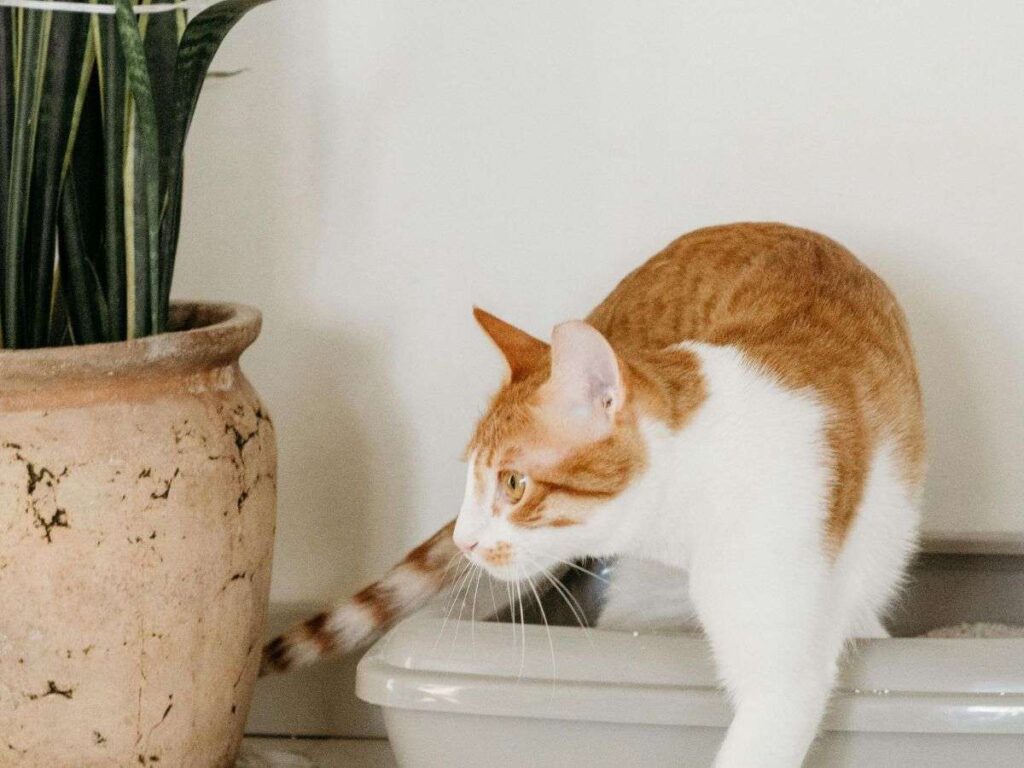
Keep fresh water out all day, and use shallow, wide bowls so whiskers stay comfortable. Place food away from the litter box, and serve meals at the same times each day. Calm, predictable routines build good habits.
Signs Your Kitten Is Eating Well
- Steady weight gain
- Round, soft belly that is not bloated
- Shiny coat and bright eyes
- Playful energy between naps
- Firm, well-formed stool
Young kittens can crash quickly if they skip meals. Call your vet if a kitten refuses a feeding or two, and read our guide on what to do when a cat is not eating for what to check.
Use the Kitten Feeding Chart With Your Vet
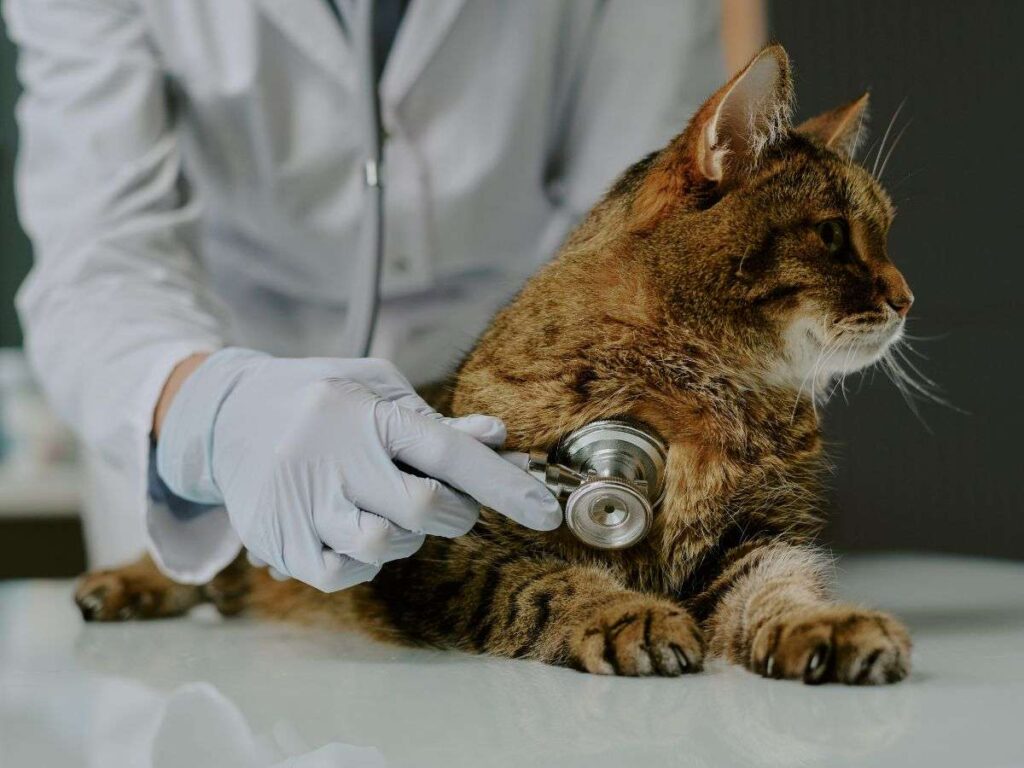
Take your chart notes to each checkup, along with weights and any questions about portions. Vets can tweak the plan for breed, health, and growth rate. Photos of the food label and your kitten’s body shape help too.
Shift to Adult Food
Most cats move to adult food around 12 months, while large breeds may stay on kitten food a bit longer. Transition over 7 to 10 days by mixing increasing amounts of the new food. Spay or neuter surgery also lowers calorie needs, so see our guide on the best age to neuter a cat.
Check our cat age chart for life-stage context.
Ask your vet to review your kitten’s growth at every vaccine visit. Find more routine care tips in our pet health guide.
Kitten Feeding Questions Answered
Newborns eat every few hours, and meals drop to three a day by about three months. By six months, most kittens do well on two meals.
Cow’s milk can cause diarrhea in kittens. Use kitten milk replacer for orphans, and offer fresh water for everyone else.
Most kittens can try softened dry food around four weeks and eat it more confidently by eight weeks.
Ribs should be easy to feel without pressing hard. Rounded bellies, a missing waist, and slow play can signal extra pounds.
Your kitten feeding chart works best alongside regular weigh-ins and vet visits. Print it, set meal alarms, and share this guide with a friend who just brought a kitten home.
Sources and Further Reading
Related Posts
Previous Post
Next Post