Now Reading: Why Is My Dog Shaking? Causes and When to Worry
- 01
Why Is My Dog Shaking? Causes and When to Worry

Why is my dog shaking? Most of the time the cause is harmless, such as cold, excitement, or nerves. Add vomiting, drooling, stiffness, or a possible toxin to the picture and it becomes an emergency.
Vets sort shaking by when it starts, how long it lasts, and what else is going on. You can gather most of those clues at home in about five minutes.
Why Is My Dog Shaking? Start With the Pattern
Match what you see to the table below, then read the section that fits.
| What you see | Likely cause | What to do |
|---|---|---|
| Shivers outside, stops once warm | Cold | Warm up, add a coat |
| Whole-body trembling at the door or before a treat | Excitement | Nothing needed |
| Panting, hiding, pinned ears during storms | Fear or stress | Quiet room, remove trigger |
| Twitching or paddling paws while asleep | Dreaming | Let your dog rest |
| Constant trembling with low energy | Pain or illness | Vet visit within 24 hours |
| Shaking with drooling, vomiting, or collapse | Poison or seizure | Emergency clinic now |
Common Reasons Dogs Shake
Cold, Excitement, and Nerves
Small, short-haired, and senior dogs lose heat fast, so a chilly walk can set off shivers within minutes. Excitement works the same way. Plenty of dogs tremble at the door when the leash comes out.
Fear is the third big trigger. Thunder, fireworks, car rides, and vet visits all do it. Stress shaking generally stops once the trigger is gone.
Pain and Aging Muscles
Dogs hide pain well, so trembling is sometimes the only clue. Senior dogs may shake from arthritis, sore joints, or weak muscles. Ask your vet about relief rather than assuming it is just age.
Illness and Low Blood Sugar
Kidney disease, Addison’s disease (low adrenal hormones), and inflammation in the brain can all cause tremors. Low blood sugar is another cause, especially in toy breeds and puppies.
Some small white dogs, such as Maltese and West Highland white terriers, develop a tremor condition that responds to steroids. Vets sometimes call it white shaker syndrome.
Poisons and Seizures
Chocolate, xylitol (a sweetener in sugar-free gum and some peanut butters), certain mushrooms, and some human medications can trigger tremors. If your dog may have eaten something toxic, call your vet or ASPCA Animal Poison Control at (888) 426-4435 right away. Fees may apply.
Seizures look different from ordinary shaking. Your dog may lose awareness, paddle their legs, or lose bladder control.
Dog Shaking All of a Sudden: Check These First
When tremors come out of nowhere, run through this list before you panic:
- Is the room or the air outside cold?
- Did something scary happen, like a loud noise or a new visitor?
- Could your dog have gotten into trash, plants, or medications?
- Are the gums pink and moist?
- Does your dog respond when you call their name?
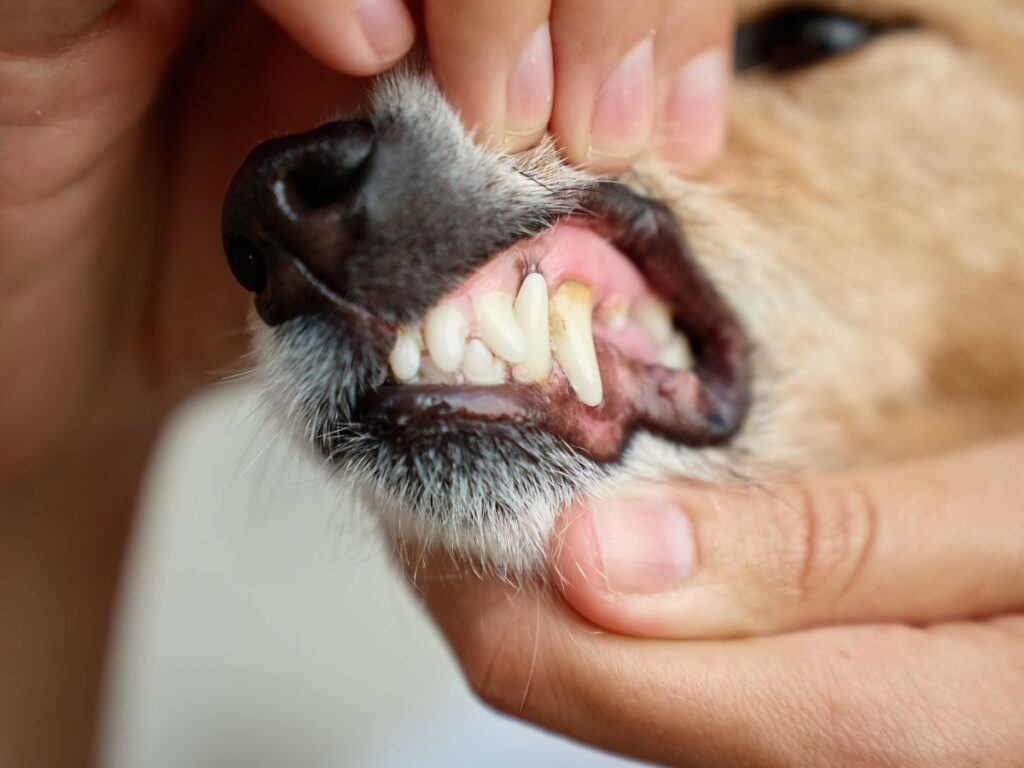
Pale, blue, or gray gums mean an emergency. Head to the nearest clinic.
Ear scratching with head shaking points to the ears, not tremors. Our ear infection guide covers that.
Dog Shaking in Sleep: Dreaming or a Problem?
Light twitching, soft whimpers, and paddling paws during sleep usually mean your dog is dreaming. These episodes end on their own, and your dog wakes up acting normal.
Call your vet if the episode looks stiff, lasts several minutes, or leaves your dog confused afterward. Avoid waking a dreaming dog with your hand, because startled dogs can snap.
Dog Shaking and Vomiting: Go In Today
Nausea, poisoning, and kidney trouble can all cause this pair of signs. Call a vet the same day.
Head to an emergency clinic if the vomiting repeats, your dog is drooling heavily, or you know they ate something toxic. Bring the packaging. Our yellow vomit guide explains what the color can tell you.
Red Flags: Go to an Emergency Clinic
- Pale, blue, or gray gums
- Collapse, stiffness, or trouble standing
- Heavy drool or foam along with tremors
- Repeated vomiting
- Known exposure to chocolate, xylitol, or human medications
- Seizure lasting over five minutes, or several in a row
Unsure? Call your vet or the nearest emergency clinic. Many will triage by phone.
How to Calm a Shaking Dog at Home
- Move your dog to a quiet, warm room
- Wrap them in a blanket or a towel from the dryer
- Speak softly and stay close
- Offer fresh water
- Skip human medications and sedatives
Record a 30-second video of the shaking before you call. Tremors often stop by the time you reach the clinic, and a clip helps your vet judge what you saw.
What Your Vet Will Check
Expect questions about timing, diet, medications, and anything your dog might have eaten. Exams usually include a neurologic check, plus bloodwork for blood sugar, kidney values, and adrenal function.
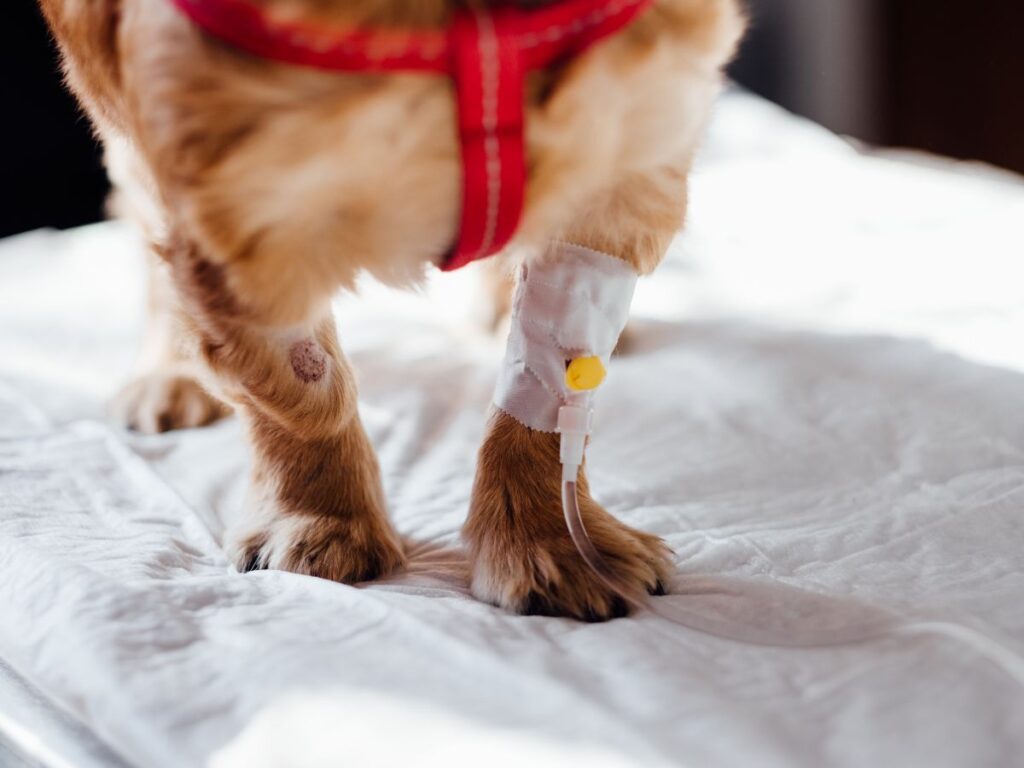
Stubborn cases may need imaging. Treatment depends on the cause, from a warm coat to medication or hospital care.
Tremors plus heavy breathing point to a different problem. Read our dog panting guide next.
So, why is my dog shaking right now? Check warmth, stress, and exposures first, and trust your gut. Save this page on your phone, then call your vet if any red flag matches.
Dog Shaking FAQ
Cold or excitement shaking stops within minutes of warming up or calming down. Call your vet within 24 hours if tremors persist, keep returning, or come with low energy or a poor appetite. Go to an emergency clinic right away for any red flag.
Arthritis, muscle weakness, kidney disease, and other conditions cause tremors in older dogs. Age alone is not a diagnosis, so book an exam and ask about bloodwork and pain relief.
Pain, fear, overheating, and poisoning can all cause this combo. If it continues once your dog is calm and cool, call your vet. The dog panting guide linked in this article has more detail.
Nothing from your medicine cabinet. Warmth, quiet, and fresh water are safe first steps. Human pain relievers and sedatives can be dangerous, so let your vet pick any medication after finding the cause.
Sources and Further Reading
Reviewed by Dr. Rida Batool, DVM. General information only, not a replacement for a vet exam.
Related Posts

Previous Post
Next Post