Now Reading: Cat Constipation: Causes, Home Care, and Vet Signs
- 01
Cat Constipation: Causes, Home Care, and Vet Signs

Certified veterinarian. Last reviewed and updated: November 10, 2026. See our editorial and veterinary review policy.
Cat constipation is more common than most owners expect, and the signs are easy to misread. Tiny hard stools, skipped days, or visible struggle in the box can all point to trouble. As a vet, I also want you to rule out a urinary blockage first, because that emergency can turn dangerous within hours.
Constipation or Urinary Blockage?
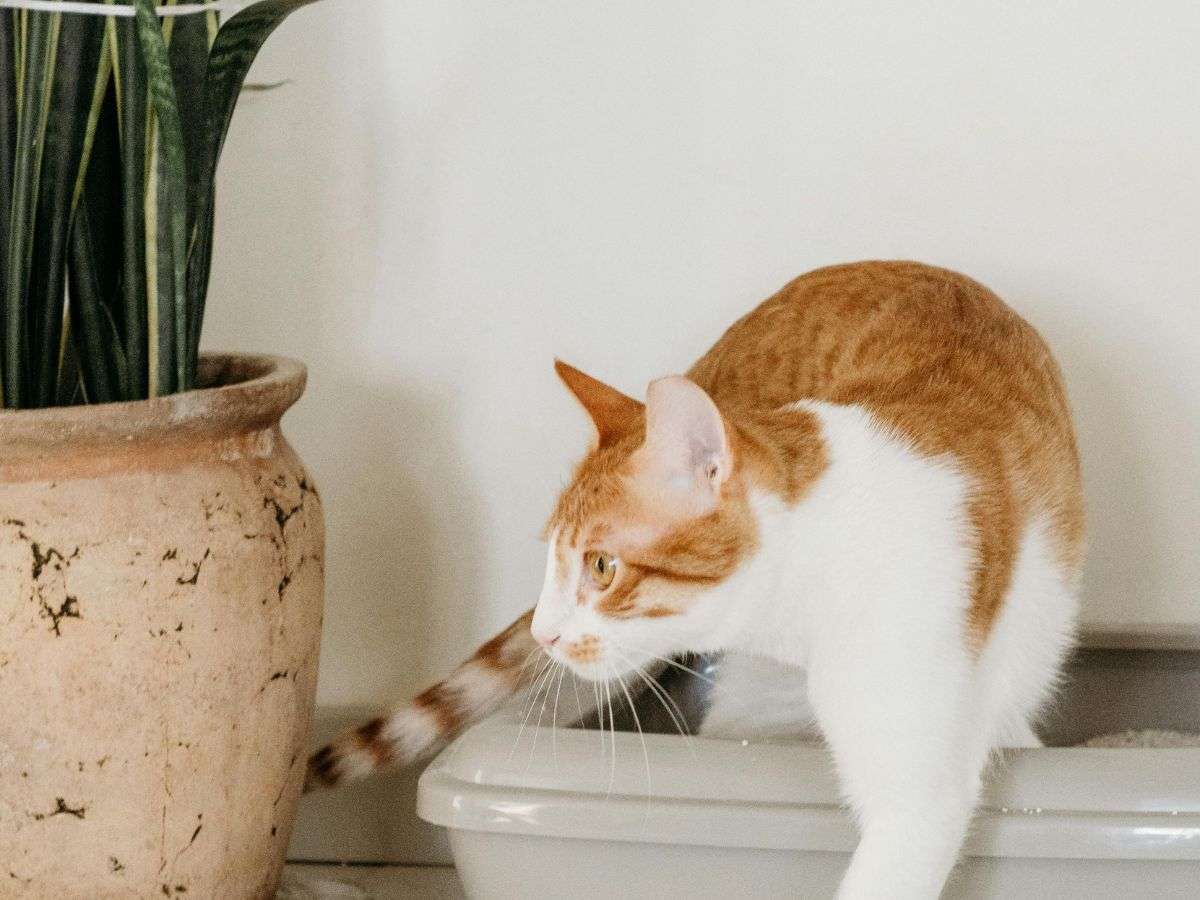
Cats strain in both situations. Constipation leaves little or no stool, while blocked cats pass little or no urine, cry out, lick the genital area, and may vomit. Male cats face the highest risk.
No urine in the box? Treat it as an emergency and call a clinic right away. Our guide on cats peeing outside the litter box explains other urinary warning signs.
Signs Your Cat Is Backed Up
- Visible straining or crying in the litter box
- Small, dry, pebble-like stools
- Few or no stools for 48 hours or longer
- Stool left outside the box, or a trip to the box with no result
- Hunched posture, a tender belly, or hiding
- Low appetite, vomiting, or unusual sleepiness
Owners often type “my cat is constipated” into a search bar after one skipped day. Healthy cats poop about once or twice daily, so a single missed day is usually fine. Beyond two days without stool, or with any visible struggle, call your vet.
Why Cats Get Backed Up
Dehydration
Dry stool starts with dry cats. Cats that eat only kibble and drink little pull extra water from the colon. Kidney disease and other illness raise the risk, which is why our list of signs of kidney disease in cats is worth a read.
Hair, Fiber, and Foreign Material
Swallowed hair, string, bones, and bits of litter can slow or block the intestines. Long-haired cats deserve regular brushing, and a good cat comb cuts down on swallowed fur.
Weight, Age, and Joint Pain
Overweight and sedentary cats move food through the gut more slowly. Senior cats with arthritis may avoid the box because squatting hurts, which makes stool sit longer in the colon.
Stress and Litter Box Problems
Dirty boxes, new litter, house moves, and tension with other pets all lead to holding behavior. Scoop daily and keep one box per cat, plus a spare, in quiet spots.
Megacolon and Other Conditions
Repeated episodes can signal megacolon, a condition where the colon stretches and loses its squeezing power. Pelvic injuries, nerve problems, and some medicines also contribute. Cases that keep coming back always need a vet workup.
Stool Quality Check
Healthy stool is chocolate brown, firm, and log shaped, and it holds together when scooped. Pebbly, dark, or crumbly stool signals dryness. Mucus or blood suggests colon irritation, while liquid stool leaking around a hard plug can fool owners into thinking diarrhea is the problem.
Senior Cats and Kittens
Kittens can get backed up during diet changes or weaning, and any kitten that strains deserves a call. Cat constipation turns up more often in seniors because of dehydration, kidney trouble, and sore joints. Cats past ten years old benefit from twice-yearly checkups with bloodwork.
Safe Home Steps for a Constipated Cat
Home care fits only a bright, eating cat that is passing urine and has skipped stools for under two days. Call your vet first if you feel unsure.
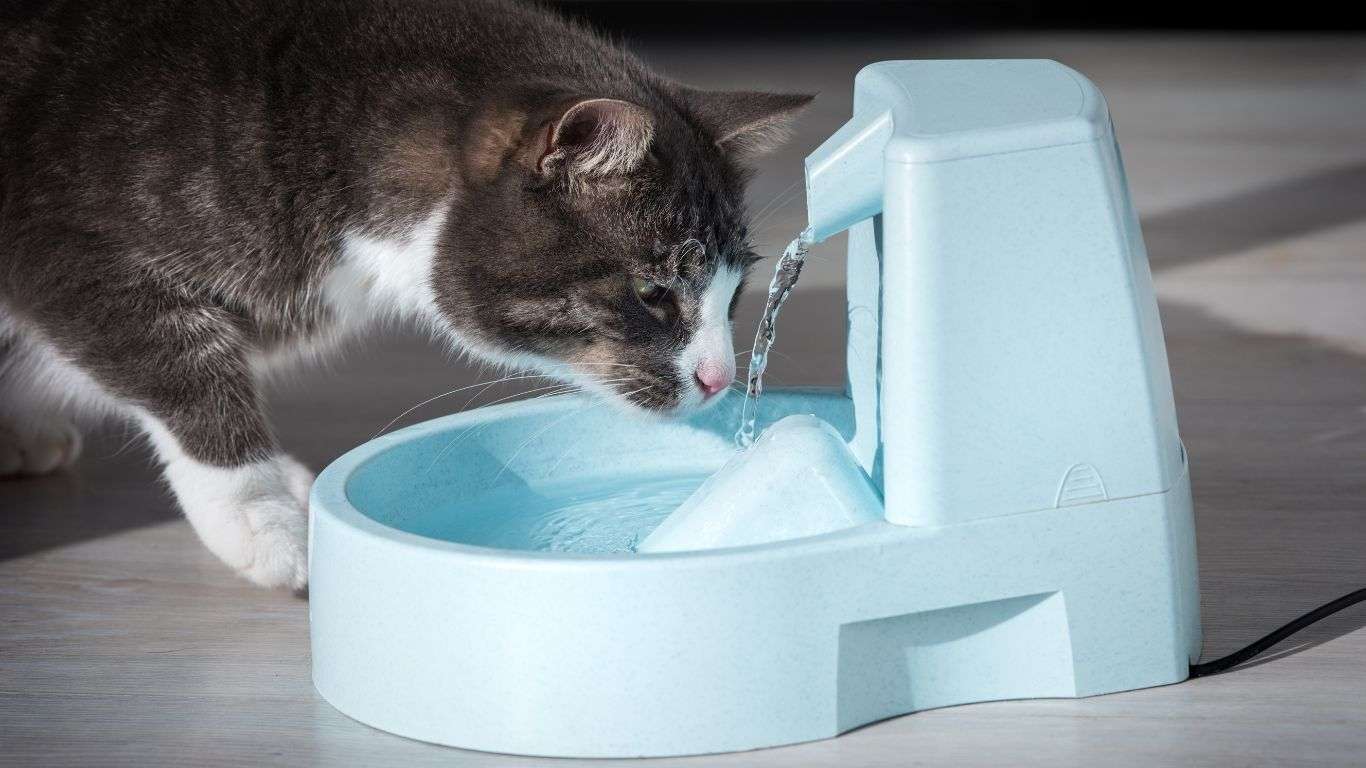
- Add canned food and a pet fountain to raise water intake
- Place extra water bowls away from food and litter
- Stir a small spoonful of plain canned pumpkin into a meal, never pie filling
- Encourage play with wand toys to get the gut moving
- Keep the litter box spotless and easy to reach
Never give human laxatives, enemas, or mineral oil. Some of these products are toxic to cats, and mineral oil can end up in the lungs.
When Constipation Becomes an Emergency
- Repeated vomiting or a hard, painful belly
- Loud crying in the box with no urine at all
- No stool for two to three days
- Blood in the stool or a very lethargic cat
- Known megacolon plus a cat that has stopped passing stool
Vet Care: Exams, X-Rays, and Treatment
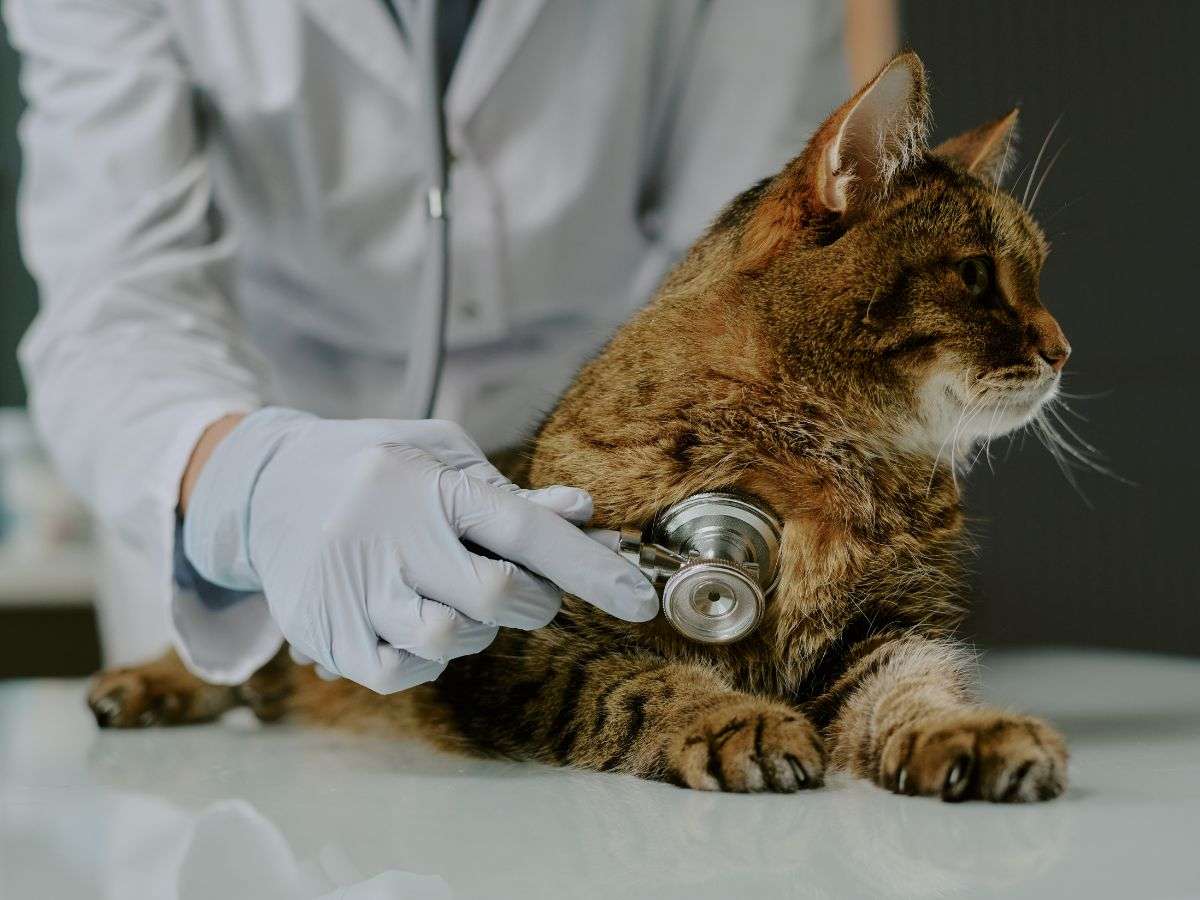
Your vet will feel the belly, then often take X-rays to see how much stool is packed in the colon. Bloodwork checks hydration, kidneys, and electrolytes.
Treatment can include fluids, prescribed laxatives, an enema given under veterinary care, diet changes, and sometimes sedation to clear a severe backup. Ask before adding any supplement, and see our guide to cat supplements for what vets commonly discuss.
Diet Moves That Ease Cat Constipation
Vets sometimes suggest gradually raising fiber with a prescription diet or a measured fiber supplement. Switch foods slowly over a week to avoid an upset stomach. Never add fiber to a cat that might be blocked, since extra bulk can make things worse.
Prevent Repeat Episodes
Wet food, constant fresh water, daily play, and a healthy weight keep the colon working. Keep a simple note on your phone with dates of stools, so you can spot patterns early. Book a checkup if constipation returns more than once.
Cat Constipation Questions Answered
Most cats go once or twice a day. Call your vet if two days pass with no stool, or sooner if your cat strains, cries, or seems sick.
Milk often causes diarrhea, since most adult cats digest lactose poorly. Offer fresh water and canned food instead.
Kibble holds little moisture, so cats that drink little can pass hard stool. Wet food and extra water sources help, though every cat differs.
Skip it unless your vet demonstrates the technique. Painful abdomens or blockages can worsen under pressure, so call first.
Cat constipation usually improves when you act early. Watch the litter box, add moisture to meals, and call your vet at the first sign of straining. Share this guide with another cat parent who could use it.
Sources and Further Reading
Related Posts
Previous Post
Next Post