Now Reading: Dog Bad Breath: Causes, Fixes, and When to Worry
- 01
Dog Bad Breath: Causes, Fixes, and When to Worry

Certified veterinarian. Last reviewed and updated: November 10, 2026. See our editorial and veterinary review policy.
Dog bad breath is not just an annoying quirk. Most of the time it points to plaque and gum disease, though a few cases hint at problems in the kidneys, liver, or blood sugar. As a vet, I use the smell, the gums, and your dog’s habits to decide what comes next.
Smell Test: Normal vs Warning Odors
Mild doggy breath after a meal is normal. Smells that linger, turn sharper, or change suddenly deserve attention. Use this table to match the scent with likely causes.
| Smell | Possible cause | Next step |
|---|---|---|
| Sour or rotten | Tartar and gum disease | Book a dental exam |
| Sweet or fruity | Diabetes | See your vet soon |
| Ammonia or urine | Kidney disease | See your vet soon |
| Foul, with vomiting or yellow gums | Liver trouble | Urgent visit |
| Garbage or stool | Diet, scavenging | Review food and walks |
Common Causes Behind Dog Bad Breath
Tartar and Gum Disease
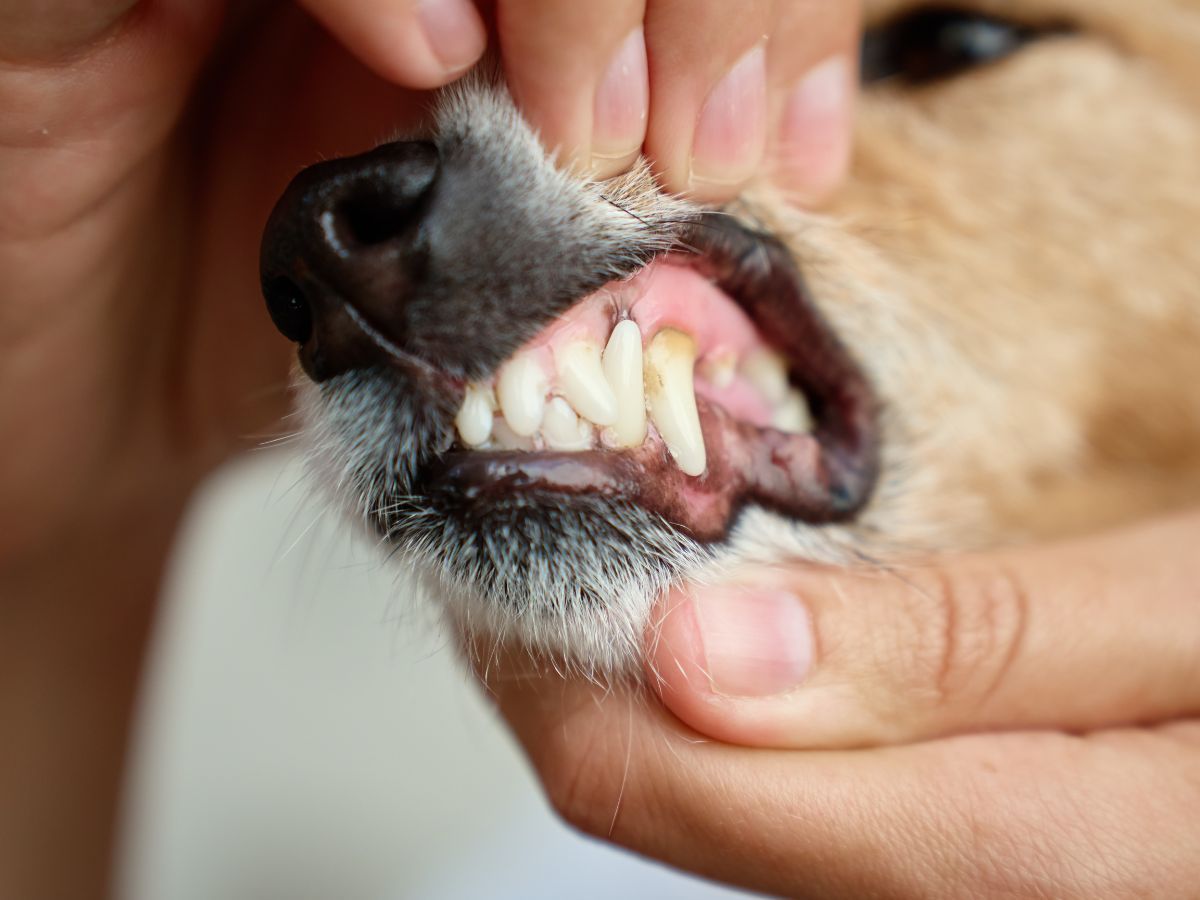
Bacteria in plaque produce sulfur compounds, and those compounds create the classic rotten smell. Plaque hardens into tartar within days, then irritates the gums and eventually the tooth roots. Most dogs show some dental disease by early adulthood, which makes this the top suspect. Our guide to dental care of pets covers the basics.
Diet and Scavenging
Fish-heavy diets, garbage raids, and stool eating all leave a smell behind. Slow food changes and a secured trash can solve this quickly.
Raw or fish-based diets and sticky treats can worsen odor in some dogs, so track what changes the smell. Talk to your vet about how to stop stool eating, since it can also signal parasites or dietary gaps.
Mouth Injuries and Growths
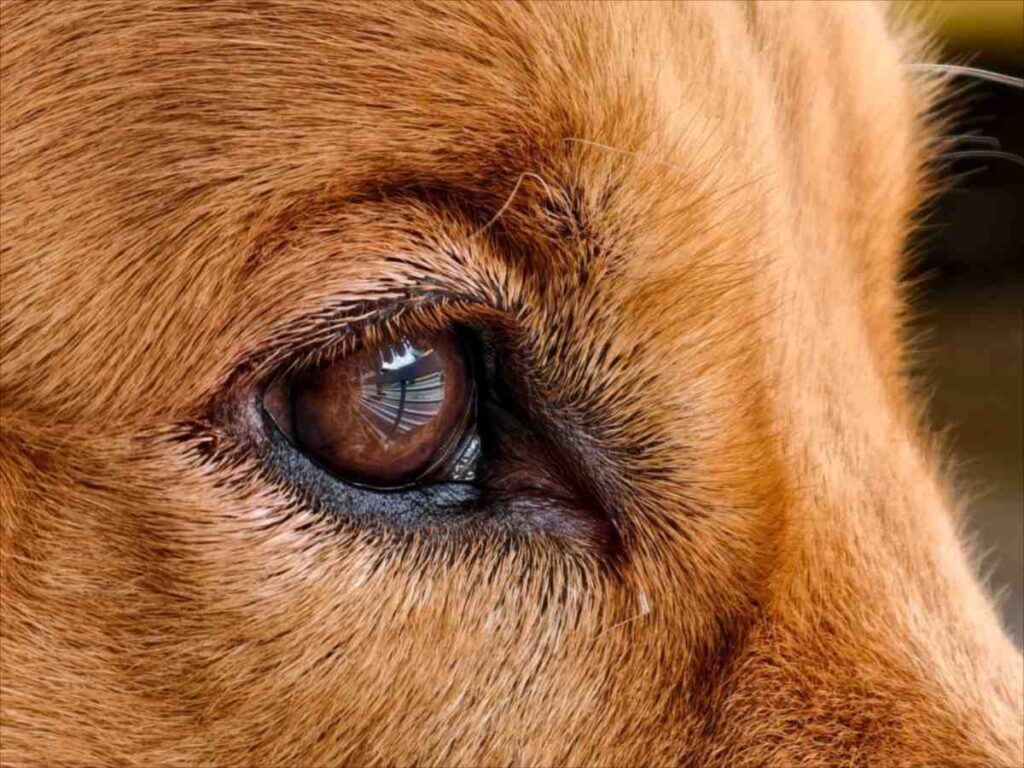
Stuck sticks, broken teeth, and oral tumors can all produce a very foul smell. Blood, drool, or chewing on one side points to a local problem. Puffiness under an eye often means a tooth root abscess.
Organ Disease
When a dog’s body struggles to filter waste or manage sugar, odors change. Ammonia breath, sweet breath, and foul breath with vomiting each tie into different organs. Added thirst, weight loss, or low energy make a visit urgent.
Breed and Age
Small and flat-faced breeds have crowded teeth that trap plaque. Seniors build up tartar over many years. Puppy breath is usually sweet, and sour smells during teething settle once adult teeth arrive.
Bacteria Behind the Smell
Owners often ask what causes bad breath in dogs after a smelly lick on the cheek. Bacteria are the answer in most cases, and they thrive in hidden spots along the gumline. Daily brushing removes them before plaque hardens.
Home Care That Actually Works
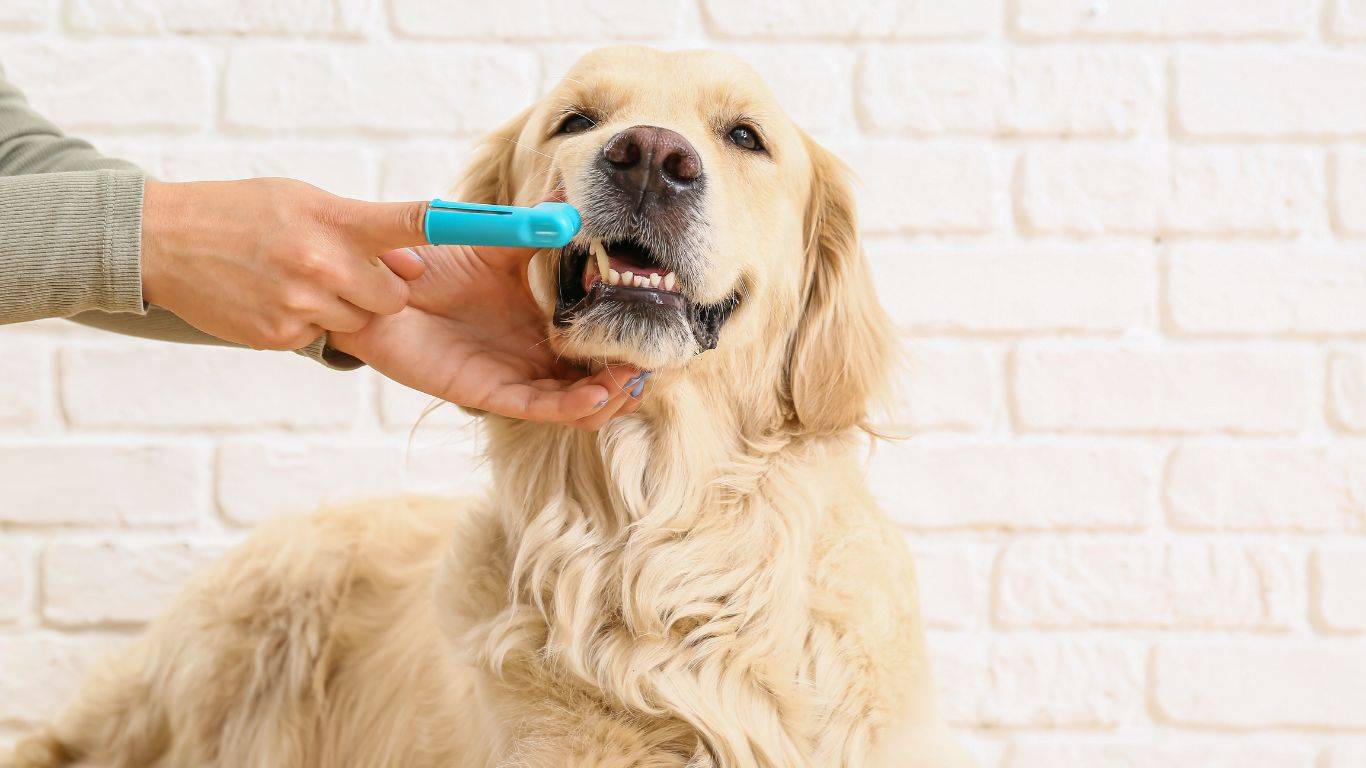
- Brush daily with a soft brush and dog-safe toothpaste
- Choose chews and water additives that carry the Veterinary Oral Health Council seal
- Offer safe chew toys that scrape plaque without cracking teeth
- Check the mouth weekly for red gums, loose teeth, or growths
- Keep up with yearly dental exams
Start slowly. Let your dog lick a little toothpaste for several days, then rub a finger along the gums, then add a soft brush. Reward each step with praise or a short play session. Look for the Veterinary Oral Health Council seal on chews and additives.
Browse our picks for the best dental chews for dogs once brushing is a habit.
Try a routine that fits your schedule. Brush after the evening walk, rotate a chew on weekends, and snap a quick photo of the gums every month so changes stand out. Prescription dental diets can add another layer of plaque control, and your vet can tell you whether one suits your dog.
Products and Habits to Skip
- Human toothpaste, which can contain xylitol or fluoride that harms dogs
- Hard bones, antlers, and hooves that fracture teeth
- Sprays that mask odor while tartar keeps growing
- Anesthesia-free scaling, which cannot clean below the gumline
Vet Dental Care: What to Expect
Your vet will examine the mouth, grade the gums, and usually recommend a cleaning under anesthesia. Dental X-rays reveal root problems hidden below the gumline. Pre-anesthetic bloodwork checks that your dog can safely sleep through the procedure.
Extractions are common when teeth are loose or infected, and most dogs feel much better afterward. Read our overview of dog teeth cleaning to plan costs and recovery.
Why Dental Health Reaches Beyond the Mouth
Chronic gum infection lets bacteria slip into the bloodstream, and vets link severe periodontal disease with strain on the heart, liver, and kidneys. Early mouth care protects far more than fresh breath.
Puppies and Seniors
Dog bad breath in puppies usually tracks with teething, and gentle brushing practice during that stage builds a lifelong habit. Seniors may need a softer brush and slower sessions if their gums feel sore. Both groups benefit from a mouth check at every wellness visit.
Red Flags That Need a Prompt Visit
- Loose teeth or bleeding gums
- Puffy cheek or jaw, especially under an eye
- Heavy drool, dropped food, or pawing at the mouth
- Sweet or ammonia-like breath
- Increased thirst, weight loss, or vomiting
Do not wait for a perfect moment. Book a dental exam if even one of these appears, and ask whether bloodwork makes sense for your dog.
Dog Bad Breath Questions Answered
Dogs that eat stool can carry the smell in their mouths, and severe dental disease can create a similar odor. Check for both, and ask your vet about parasite testing.
Mild odor after meals is normal, but strong or lingering smells are not. They usually signal plaque, gum disease, or an underlying health issue.
Daily brushing gives the best results. Even three sessions a week help, and a slow, rewarding start makes the habit stick.
Chews help scrape plaque, but brushing reaches the gumline better. Use both, and pick products with the Veterinary Oral Health Council seal.
Dog bad breath rarely clears on its own, so act while the problem is small. Start daily brushing, book that dental exam, and share this guide with other dog owners who keep turning their heads away.
Sources and Further Reading
Related Posts
Previous Post
Next Post