Now Reading: Puppy Training Guidelines Every New Dog Owner Needs in 2026
- 01
Puppy Training Guidelines Every New Dog Owner Needs in 2026


Certified veterinarian. Last reviewed and updated: November 10, 2026. See our editorial and veterinary review policy.
So you just brought home a new pup. Exciting, right? But reality is a bit confusing for us: there’s chewing, accidents on the carpet, and you’re not sure where to even start.

Don’t worry. Following the right puppy training guidelines from day one makes all the difference. And that’s exactly what this guide is here for.
When Should You Start Training?
Training starts the moment your puppy walks through your door.
Most puppies arrive home at around 8 weeks old, and that’s the perfect window to begin. Their brains are like little sponges right now. The earlier you start, the easier everything gets down the road.
The Core Puppy Training Rules
There are a few non-negotiable puppy training rules that apply across the board:

- Be consistent… Use the same commands every single time. If you say “come” today and “here boy” tomorrow, your pup will be confused.
- Keep sessions short….. 5–10 minutes, two to three times a day is plenty for young pups.
- Always use positive reinforcement….Treats, praise, and play work. Punishment doesn’t — it builds fear, not trust.
- Stay patient….. Your pup is not being stubborn. They’re just learning.
- Involve the whole household….. Everyone needs to use the same cues and rules.
These are the backbone of every effective dog training puppy program, whether you DIY or hire a pro.
Puppy Training Timeline by Age
Here is a clear breakdown of what to teach and when. Here’s a simple snapshot so you’re never guessing.
| Age | Focus Areas |
| 8–10 weeks | Name recognition, crate intro, potty training basics |
| 10–12 weeks | Sit, come, leash intro, redirect chewing/biting |
| 12–16 weeks | Stay, leave it, socialization, basic impulse control |
| 4–6 months | Polite greetings, walking on leash, alone time |
| 6–12 months | Solidifying all commands, adding distractions |
Think of this as your personal best puppy training roadmap, not a rigid rulebook, just a helpful guide.
Potty Training: The Real Deal
Potty training is the number one concern for new dog owners in the US. And honestly? It’s simpler than you think when you follow the right puppy training guidelines.
Start the day you bring your pup home. Here’s what works:
- Take them outside first thing in the morning, after every meal, after naps, and before bed.
- Pick one spot in the yard and always go there — scent helps them understand what’s expected.
- The moment they go, celebrate! A treat and happy praise seal the deal.
- Puppies can hold their bladder roughly one hour per month of age. A 2-month-old needs a break every two hours max.
Accidents happen during puppy training guidelines….. When they do, clean thoroughly and move on. Rubbing their nose in it? That’s old-school and it doesn’t work.
Crate Training Done Right
A lot of pet parents feel guilty about crate training. But here’s the thing — dogs are den animals. A properly introduced crate becomes their safe haven, not a punishment.
Follow these steps:
- Start with the door open and toss treats inside to build a positive association.
- Feed meals inside the crate so your pup looks forward to going in.
- Never use the crate as punishment — that’s the fastest way to make your dog hate it.
- Leave pups no longer than their age in months plus one hour (so a 3-month-old = max 4 hours).
This is one of the most overlooked aspects in basic puppy dog training, and it pays off massively in the long run.
Socialization: Your Secret Weapon
There’s a critical socialization window that closes around 12–16 weeks. During this time, your pup is naturally open to new experiences. Once this window closes, helping them adjust to new things gets significantly harder.
What to expose them to:
- Different people — kids, adults, people with hats or beards
- Other vaccinated, friendly dogs
- Traffic sounds, vacuum cleaners, car rides
- New surfaces like grass, tile, gravel, stairs
You don’t need to overwhelm them. Keep it positive and brief. A scared puppy isn’t learning — they’re just surviving.
For a deeper look at puppy health during the socialization stage, check out our puppy care guide on My Pet Pit — we cover vaccinations, feeding, and wellness checkups too.
The 5 Basic Commands Every Pup Needs
Good dog training puppy programs always start with these five. They form the foundation for everything else.
1. Sit The easiest command to teach first. Hold a treat above their nose, move it back over their head — their bottom naturally drops. Say “sit,” reward immediately.
2. Come Crouch down, open your arms, say “come” in a happy voice. Never call your pup to you for something unpleasant — they’ll stop coming.
3. Stay Ask for a sit, then hold your palm out and say “stay.” Back up one step. Return, reward. Build duration slowly.
4. Leave It Put a treat on the floor, cover it with your hand. When your pup stops nudging, mark it and reward with a different treat. This command could literally save their life one day.
5. Down From sit, lure a treat toward the floor between their paws. As they follow it down, say “down” and reward.
These five commands are the basis of every effective best puppy training approach recommended by certified trainers across the country.
Common Training Mistakes to Avoid
What to watch out for:
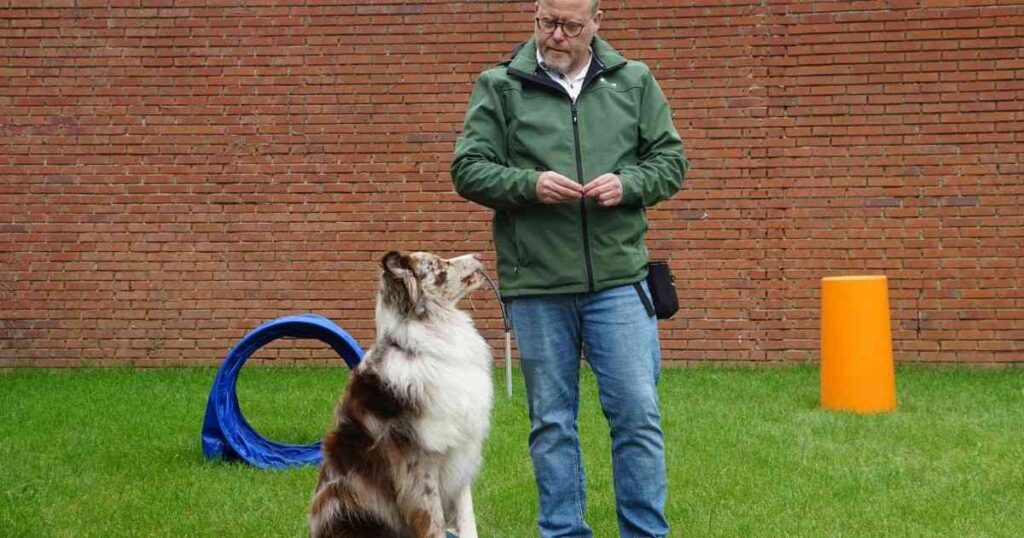
- Training only when it’s convenient. Puppies need daily repetition, not occasional effort.
- Using too many words. “No, stop, bad boy, don’t do that!” confuses them. One word, one meaning.
- Skipping the boring stuff. Recall and “leave it” feel less exciting than tricks, but they’re the commands that matter most in real life.
- Giving up during adolescence. Around 5–7 months, pups hit a rebellious phase. This is normal. Keep going.
- Rewarding inconsistently. If jumping gets attention sometimes, your pup learns it’s worth trying every time.
The good news? Knowing these mistakes is half the battle..
Quick Daily Training Schedule
Here’s a simple routine that works for most puppy owners:
Morning (before breakfast): 5-minute training session — sit, down, come
Mid-morning: Potty break + short socialization walk
Afternoon: 5-minute session — stay, leave it, name recognition
Evening: Crate practice + review of the day’s lessons
This kind of structure is what every solid puppy training guidelines plan is built around. Routine makes puppies feel secure — and a secure puppy learns faster.
Also Read: Pig Ears for Dogs: Tasty Treat or Hidden Risk?
Final Thoughts

Training your puppy isn’t about perfect obedience on command. It’s about building a dog who trusts you, feels safe, and knows what’s expected in your home and out in the world.
Stick to these puppy training guidelines, stay consistent, and celebrate the small wins. Some days will feel like three steps back. That’s normal. What matters is that you keep showing up.
Your pup is counting on you — and they’re going to be worth every treat you ever gave them.
FAQs
Start the day you bring your puppy home — usually around 8 weeks old. Basic cues like sit, come, and name recognition can begin immediately. Early structure prevents bad habits from forming and builds a strong foundation for life.
Keep sessions to 5–10 minutes, two to three times a day. Puppies have short attention spans and get mentally tired quickly. Short, frequent sessions work far better than long, infrequent ones — and they’re more fun for your pup too.
Positive reinforcement is the only scientifically backed method. Reward the behaviors you want — with treats, praise, or play. Avoid punishment-based techniques, as they create fear and can damage your bond with your dog long-term.
Most puppies make steady progress within two to four weeks of consistent potty training. Some take up to three months. Consistency is the biggest factor — a reliable schedule with outdoor trips every 1–2 hours dramatically speeds up the process.
Yes, absolutely. Most owners successfully train their puppies at home using consistent routines and positive reinforcement. Consider a professional trainer if your pup shows fear, aggression, or if basic training isn’t sticking after several weeks of effort.
Related Posts
Previous Post
Next Post