Now Reading: Pet Health Guide: Vet Advice Every Owner Can Use
- 01
Pet Health Guide: Vet Advice Every Owner Can Use

Certified veterinarian. Last updated: November 10, 2026. See our editorial and veterinary review policy.
Your dog skips breakfast. Meanwhile, your cat spends the whole afternoon under the bed. Small changes like these are often the first clues that something is off, and catching them early can spare your pet a lot of discomfort.
Good pet health starts at home, long before any clinic visit. Owners who know the warning signs, feed well and keep up with checkups give their animals a real head start.
At My Pet Pit, we turn veterinary knowledge into clear, practical guidance you can use today. Below, you’ll find the signs to watch, the problems vets see most often and the habits that keep pets thriving.
Red Flags That Mean Your Pet Needs a Vet
Pets can’t tell us when they feel unwell, so their behavior does the talking. Once you learn the signs your dog is sick, or that your cat is quietly struggling, you can act before a minor issue turns serious.
Watch for these changes:
- Appetite loss lasting more than 24 hours
- Repeated vomiting or diarrhea, especially with blood
- Sudden weight loss or gain
- Excessive thirst or frequent urination
- Persistent cough, sneezing or noisy breathing
- Lameness, stiffness or reluctance to jump
- Unusual hiding, irritability or lethargy
- Bad breath, drooling or pawing at the mouth
Labored breathing, collapse, pale gums and a swollen belly are emergencies. Call your nearest clinic right away rather than waiting it out.
Unsure whether a symptom is serious? Browse the symptom guides on My Pet Pit before your next vet call, so you know exactly what to mention.
Common Dog Health Problems Vets Treat
Dogs share a handful of conditions that show up in clinics again and again. Most respond well when treatment starts early.
| Condition | Typical signs | Prevention tip |
|---|---|---|
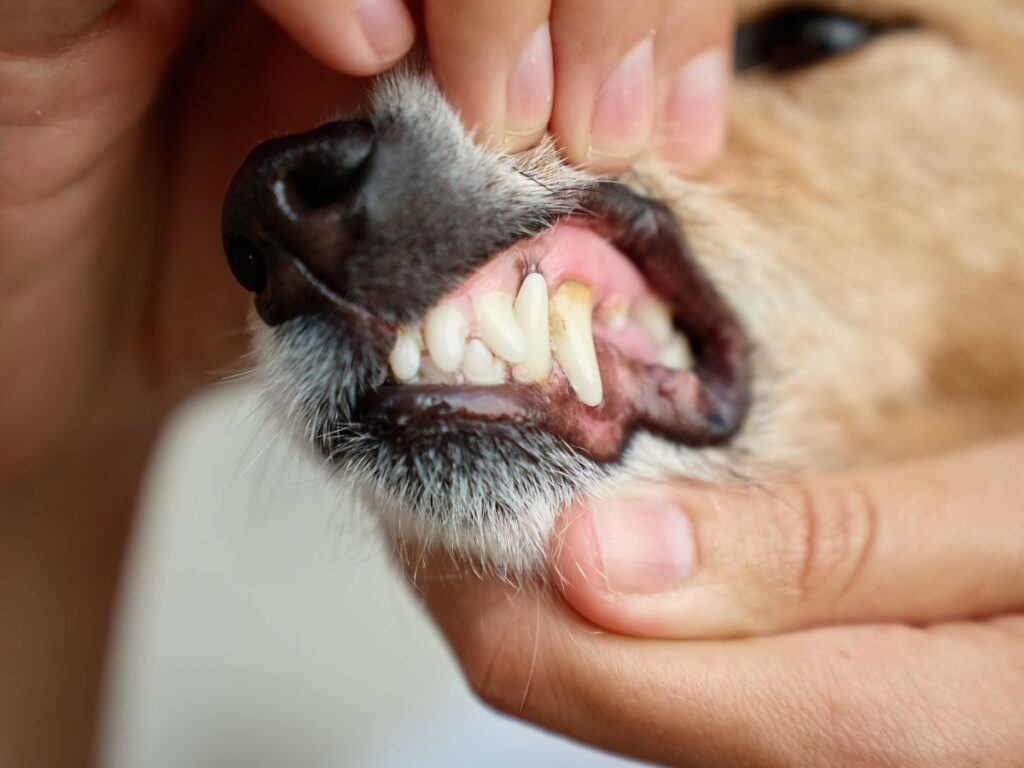
| Dental disease | Bad breath, red gums, tartar | Brush teeth several times a week |
| Ear infections | Head shaking, odor, scratching | Dry ears well after swims and baths |
| Skin allergies | Itching, paw licking, hair loss | Regular flea control and a vet-approved diet |
| Obesity | No visible waist, low stamina | Measured meals and daily walks |
| Arthritis | Stiffness, slow to rise | Healthy weight and gentle, regular exercise |
| Parasites | Scooting, worms in stool, itching | Year-round flea, tick and worm prevention |
Breed, age and lifestyle shape which of these your dog is most likely to face. Large breeds lean toward joint trouble, while small breeds often battle dental problems.
Cat Health Issues Owners Often Miss
Cats are experts at masking pain. By the time symptoms become obvious, a problem may have been building for weeks.
Keep an eye on these frequent concerns:
- Urinary problems: straining in the litter box or peeing outside it. Male cats that can’t pass urine need emergency care.
- Kidney disease: more thirst, weight loss and a dull coat, especially in older cats.
- Dental pain: dropping food or chewing on only one side.
- Hyperthyroidism: weight loss despite a big appetite, mostly in seniors.
- Hairballs and vomiting: occasional hairballs are normal, but frequent vomiting is not.
Subtle shifts matter with cats. Less grooming, a changed sleeping spot or a new reluctance to be touched can all point to hidden discomfort.
Habits That Keep Pets Healthy for Years
Preventive pet care costs far less than treating illness, both in money and in stress for your animal. Several simple routines form the backbone of lasting pet wellness:
- Annual checkups. Adult pets need a full exam at least once a year, and seniors benefit from visits every six months.
- Vaccines on schedule. Core shots protect against rabies, parvovirus, distemper and feline panleukopenia.
- Parasite control. Monthly prevention keeps fleas, ticks and heartworm at bay.
- Balanced pet nutrition. Pick a complete diet suited to your pet’s age, and measure portions instead of leaving the bowl full all day.
- Daily dental care. Tooth brushing with pet-safe paste prevents painful gum disease.
- Exercise and enrichment. Walks, play and puzzle feeders keep bodies fit and minds busy.
Want more pet care tips sorted by species and life stage? Explore our health, nutrition and everyday care guides on My Pet Pit.
How My Pet Pit Supports Your Pet’s Well-Being
My Pet Pit was built to close a gap many owners feel. Online pet information is everywhere, yet much of it is vague, outdated or written by people with no clinical background.
Our team is led by Dr. Rida Batool, DVM, MS (Hons), LLM, an RVMP-certified veterinarian. Every article on health, nutrition and everyday care is written or reviewed through that clinical lens.
Here’s what sets our content apart:
- Vet-reviewed accuracy: advice reflects current veterinary practice, not forum guesswork.
- Plain language: we skip the jargon so you can act with confidence.
- Free to read: we don’t sell consultations or lock guides behind a paywall.
- Practical focus: tips you can apply at home today, wherever you live.
Our goal is simple. We want to help you notice problems sooner and ask your vet sharper questions, because reliable pet health information leads to better decisions at the clinic. Online guidance supports a hands-on exam but never replaces one.
Pet Health Questions, Answered
How often should my pet see a vet?
Healthy adult dogs and cats need one wellness exam a year. Puppies, kittens and pets over seven usually need visits every six months, since problems develop faster at those life stages.
Which signs mean my pet needs emergency care?
Trouble breathing, collapse, seizures, pale gums, a swollen belly or straining without passing urine all need immediate attention. Head to an emergency clinic rather than waiting for a regular appointment.
How can I improve my pet’s health at home?
Feed a complete diet in measured portions, keep up with parasite prevention and brush teeth regularly. Daily exercise, fresh water and mental stimulation round out the basics.
Can online advice replace a vet visit?
Online guides help you spot problems early and prepare good questions, but they can’t examine your pet. Use them alongside regular checkups, never instead of them.
Small Steps, Healthier Pets
Everyday choices add up to a longer, happier life for your companion. Bookmark My Pet Pit, explore our latest vet-reviewed guides and come back whenever a new question pops up.
Related reading: Wanna Get Rid of Your Pet Ear Infection? Here Is The Perfect Solution For It.
Related Posts


Previous Post
Next Post