Now Reading: Signs of Kidney Disease in Cats: What Owners Miss
- 01
Signs of Kidney Disease in Cats: What Owners Miss

Certified veterinarian. Last reviewed and updated: November 10, 2026. See our editorial and veterinary review policy.
Signs of kidney disease in cats are easy to miss, because cats are experts at hiding discomfort. Many owners notice a bigger water bowl or a thinner cat and assume it is just age. As a vet, I want you to know which small changes matter, so you can act while treatment still helps.
Why Kidney Trouble Hides So Well
Healthy kidneys filter waste and conserve water. Cats can lose a large share of that ability before obvious symptoms appear, and they compensate by drinking and urinating more. Quiet changes at home are often the only early clue.
Early Signs of Kidney Disease in Cats
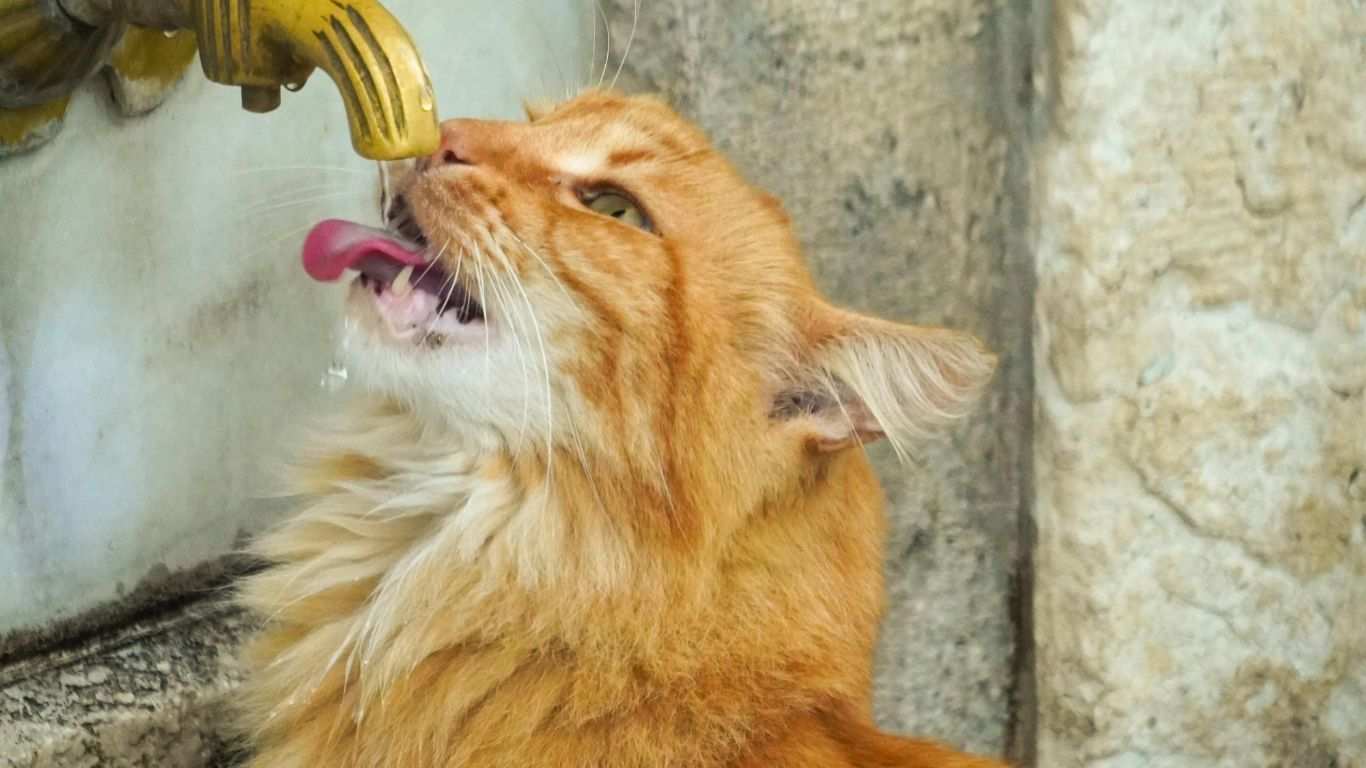
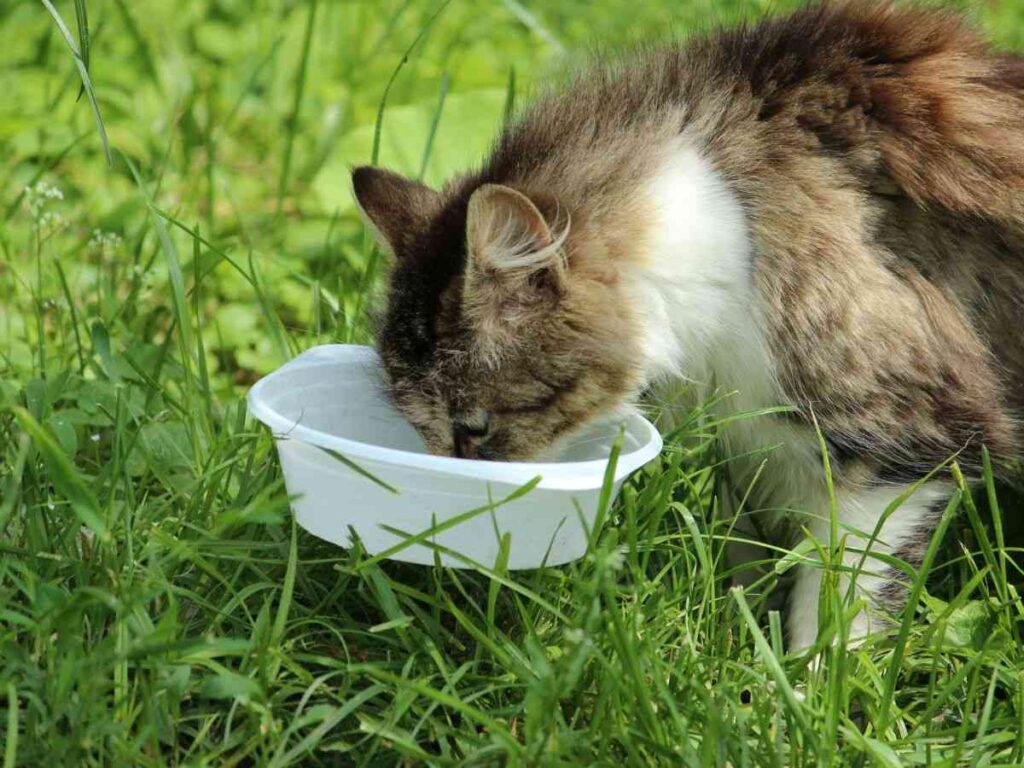
- Extra thirst, or lingering around faucets and bowls
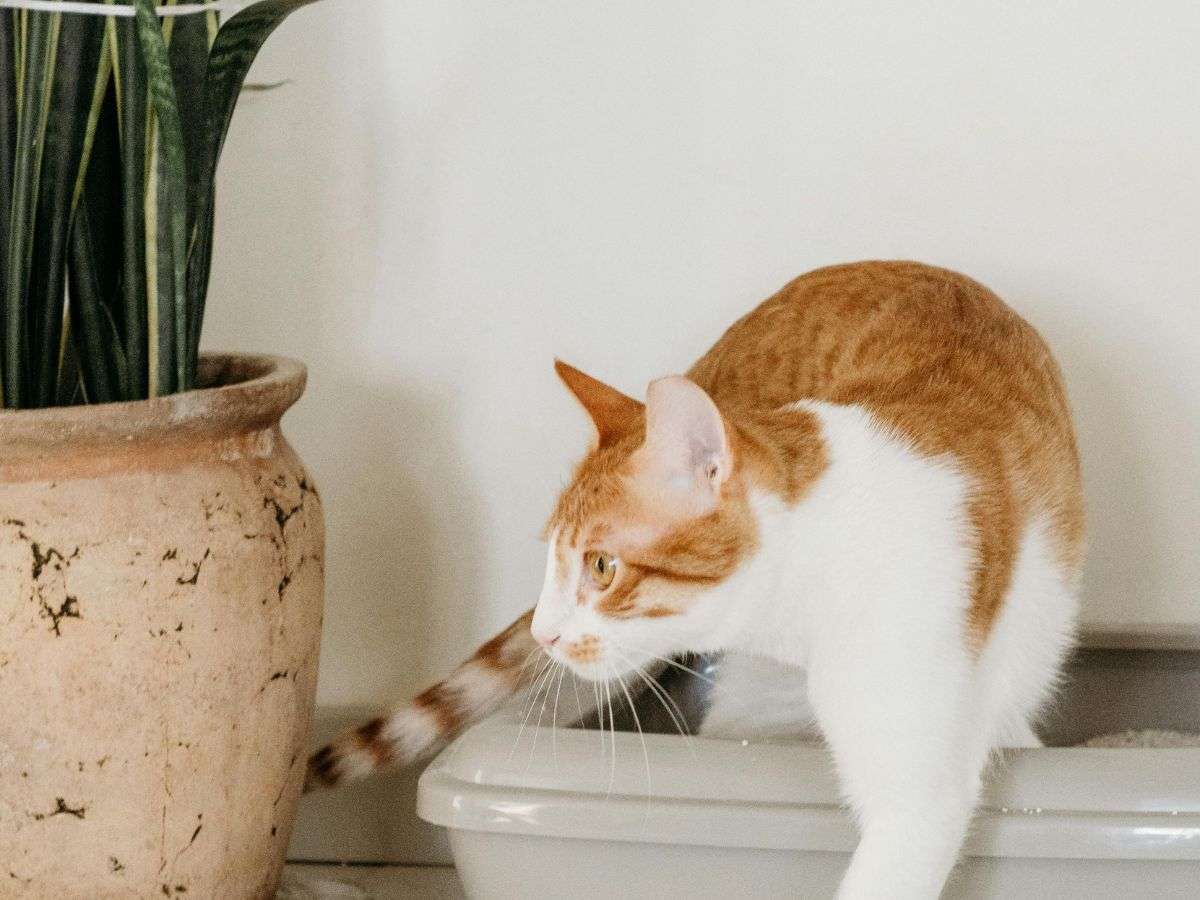
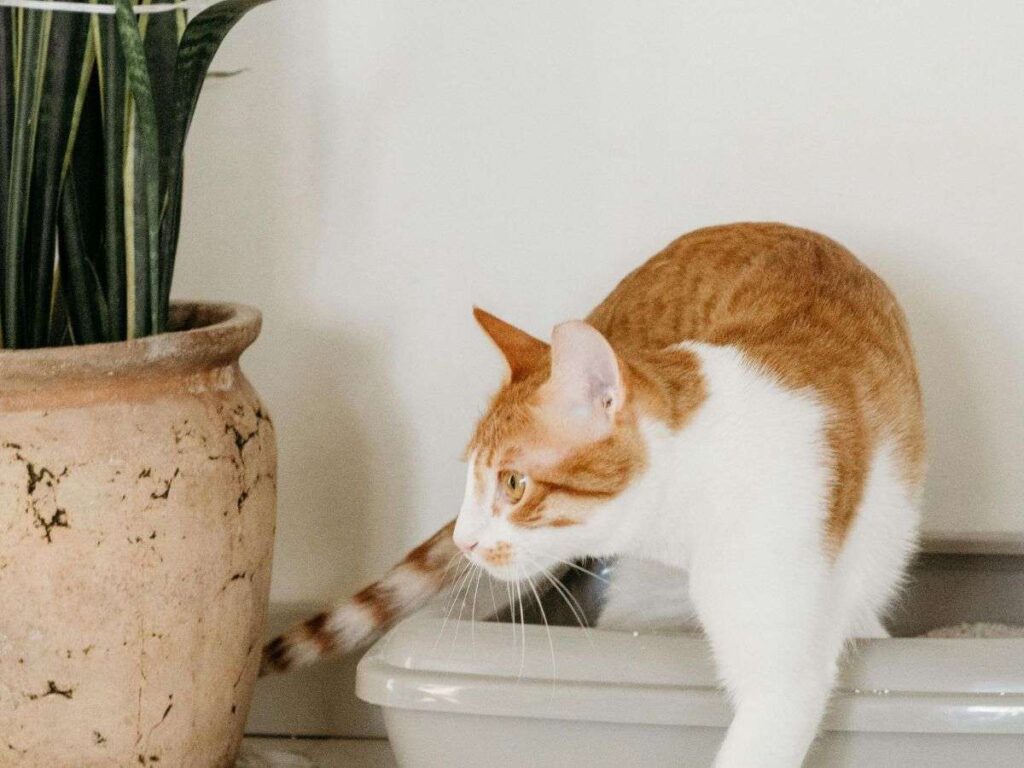
- Larger or more frequent urine clumps in the litter box
- Gradual weight loss even though appetite seems normal
- Pickier eating or leaving food behind
- Dull, unkempt coat from skipped grooming
- More sleep and less play
Together, these form the classic cat kidney disease symptoms that vets hear about during senior exams. Any one sign deserves a conversation, and two or more deserve a visit.
Signs of Kidney Disease in Cats vs Look-Alikes
Diabetes and an overactive thyroid also cause thirst and weight loss, so symptoms alone cannot name the culprit. Cats with diabetes often eat ravenously, while hyperthyroid cats may act restless and hungry. Kidney patients usually eat less. Only bloodwork and urine tests sort these conditions apart.
Late-Stage Symptoms
- Ammonia-like breath or mouth ulcers
- Repeated vomiting or constant nausea
- Severe weight and muscle loss
- Weakness, wobbling, or hiding
- Sudden blindness from high blood pressure
- Dehydration and constipation
Anyone searching kidney failure in cats symptoms should know that late signs can progress quickly. Cats that stop eating, collapse, or vomit repeatedly need emergency care. Read our guide on cat constipation if your cat also strains.
Home Checks That Take Two Minutes
- Weigh your cat monthly on a baby or kitchen scale
- Note how often you refill the water bowl
- Check litter clumps for size and number
- Lift the skin between the shoulder blades, since slow return suggests dehydration
- Feel the gums, which should look pink and moist
Jot your findings in a notes app and bring them to your vet. Patterns over weeks tell a clearer story than a single visit.
Causes and Risk Factors
Age is the biggest factor, since chronic kidney disease is common in older cats. Dental infection, high blood pressure, and long-term dehydration add risk. Persians and related breeds can inherit polycystic kidney disease.
Toxins can injure kidneys suddenly. Lilies are extremely dangerous for cats, and antifreeze is deadly. Human painkillers cause harm as well, so read why you should never guess when giving paracetamol to a cat.
Toxins and Emergencies
Signs of kidney disease in cats can appear within hours to days after lily exposure, because the toxin causes sudden kidney injury. Even pollen or vase water can cause harm, so call your vet or the ASPCA Animal Poison Control Center right away if your cat nibbled a bouquet. Antifreeze licks and human painkillers also call for an immediate clinic visit.
How Vets Diagnose Kidney Disease
Diagnosis starts with bloodwork that checks creatinine, urea, and often SDMA, a marker that can rise earlier. Urine tests show how well the kidneys concentrate urine, and blood pressure checks catch hidden hypertension.
Ultrasound or X-rays may follow. Vets then stage the disease from mild to advanced, which guides treatment and follow-up timing.
IRIS Stages in Plain English
Vets often use IRIS staging, which sorts cats from stage one to four using creatinine or SDMA levels. Extra details like protein in the urine and blood pressure refine the plan. Early stages may need diet changes and monitoring, while later stages add medicine and fluids.
Treatment and Daily Care
- Prescription kidney diets that limit phosphorus
- Fluid support at the clinic or at home, if your vet recommends it
- Anti-nausea care and appetite support
- Blood pressure and phosphorus control when needed
- Regular rechecks of bloodwork and weight
Kidney disease cannot be cured, but early care can slow progression and keep cats comfortable. Many cats live well for a long time with steady management, and outcomes depend on the stage at diagnosis.
Habits That Help Between Visits
Place several water bowls around the house, and try a pet fountain if your cat likes moving water. Offer wet food and slightly warm meals to boost appetite. Ask your vet before adding any supplement, and review our guide to cat supplements for context.
Questions to Bring to Your Vet
- Which stage is my cat in right now?
- Would a kidney diet suit my cat’s taste and health?
- How often should we recheck bloodwork and blood pressure?
- Which symptoms mean an emergency visit?
Write the answers down, and share them with anyone who feeds or cares for your cat. Consistent routines make treatment easier to follow.
Senior Cats and Screening
Cats age faster than many owners realize, so check our cat age chart to see where yours stands. Many vets suggest yearly bloodwork and blood pressure checks once cats reach their senior years, and twice a year later. Book that screening before symptoms appear.
Kidney Disease in Cats Questions Answered
Life span depends on the stage at diagnosis and how well the disease is managed. Early-stage cats may live for years, while advanced stages offer less time.
Not directly, but nausea, mouth ulcers, weakness, and dehydration cause real discomfort. Treatment focuses on easing those problems.
Sudden injury from a toxin can improve with fast treatment. Chronic disease is not curable, though it can be managed for a long time.
Kidney disease, diabetes, and an overactive thyroid all raise thirst. Bloodwork and a urine test sort out the cause.
Early detection of signs of kidney disease in cats gives your pet more good days. Watch the water bowl, weigh your cat monthly, and book that senior screening. Share this guide with another cat parent.
Sources and Further Reading
Related Posts

Previous Post
Next Post