Now Reading: Why Is My Cat Vomiting? Causes & When to Worry
- 01
Why Is My Cat Vomiting? Causes & When to Worry

Certified veterinarian. Last reviewed and updated: November 10, 2026. See our editorial and veterinary review policy.
Cat Puke: Causes, Signs & Vet Tips
A cat throwing up once in a while usually isn’t a big deal. It’s often a hairball, a meal eaten too fast, or a stomach that got upset by something new. But if you keep asking yourself why is my cat vomiting more than once a week, or the mess on your carpet looks unusual, your cat is trying to tell you something. Here’s our team of veterinarians telling you what’s normal, what’s not, and when to actually worry.
The Most Common Reasons Why Is My Cat Vomiting
Most cases come down to something simple. Cats groom constantly, and swallowed fur has to come out one way or another. Some cats also eat like they’re racing the clock, which pushes air and food back up minutes later. A sudden switch in cat food, a new treat, or a bit of grass nibbled off the porch can all trigger a one-time upset stomach too.
If you’ve ever wondered why is my cat vomiting right after a treat, check the ingredient label first. Cheap fillers and artificial flavors are common culprits, and switching to a simpler diet often clears things up within a few days.
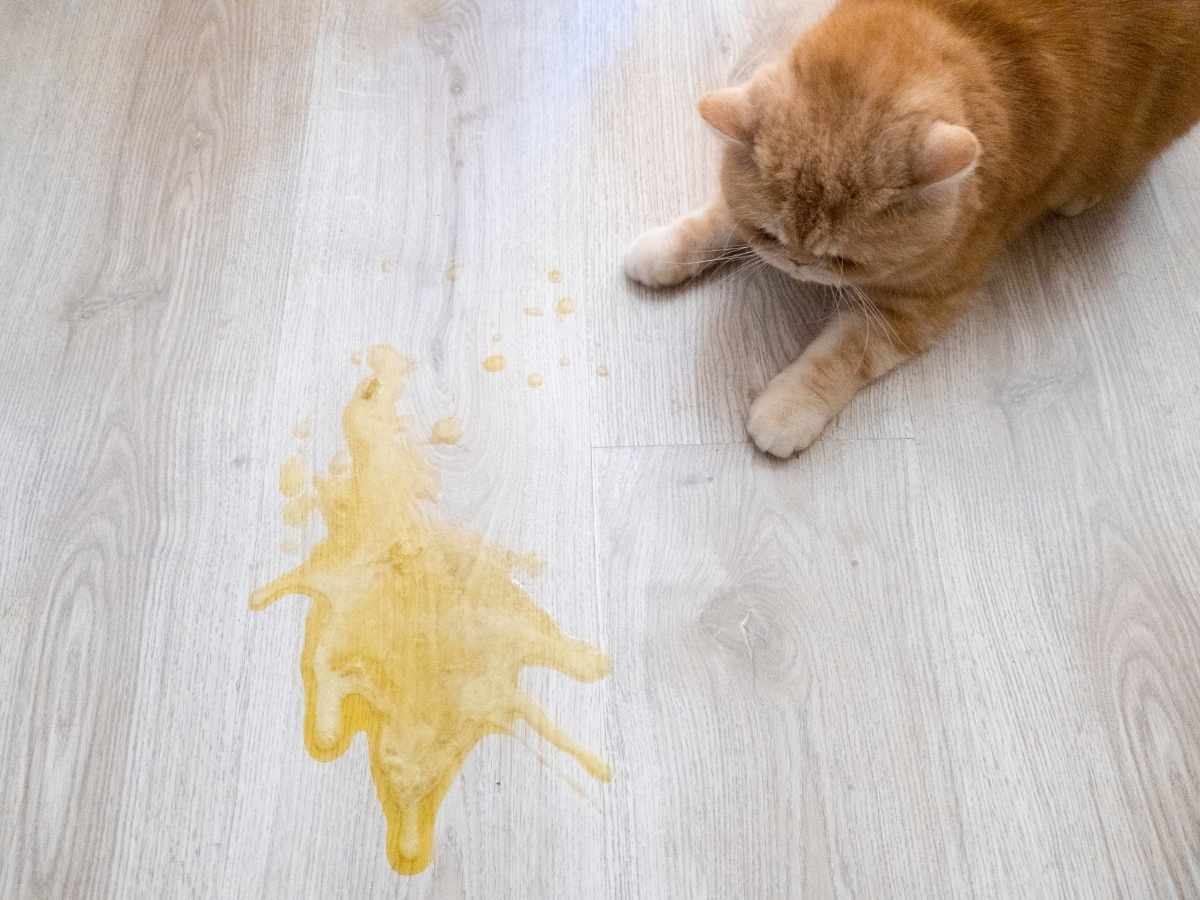
Why Is My Cat Vomiting Yellow Liquid?
Yellow, foamy vomit is bile, plain and simple. It shows up when your cat’s stomach sits empty too long, usually overnight or first thing in the morning. Splitting meals into two or three smaller portions instead of one big one is often all it takes to stop it.
Why Is My Cat Vomiting After Eating?
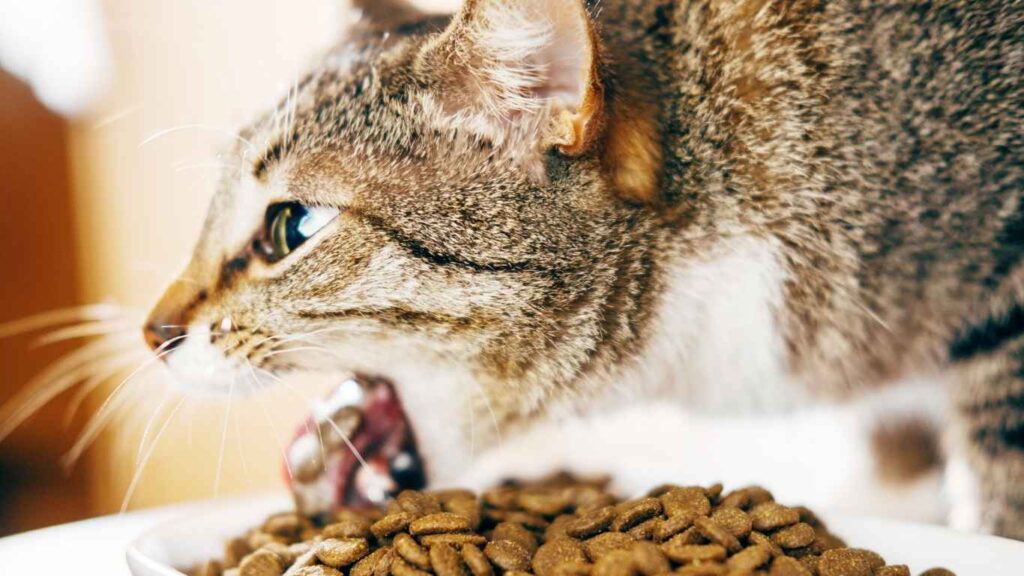
This one’s almost always about speed or texture, not illness. Cats that gulp their food tend to bring it right back up within minutes, barely digested. A slow-feeder bowl, or spacing kibble across a flat plate, forces them to slow down and usually solves it fast. If the vomiting only happens with one specific food, a mild intolerance could be the reason.
Why Is My Cat Vomiting Undigested Food?
There’s a difference between vomiting and regurgitating, and it matters. Regurgitation happens fast, right after eating, and the food comes up looking like a tube shape, with no real effort or heaving. True vomiting takes more effort, often comes with drooling or gagging first, and can happen hours after a meal. If regurgitation happens often, it’s worth mentioning to your vet, since it can point to an esophagus issue rather than a stomach one.
When “Why Is My Cat Vomiting So Much” Becomes an Emergency
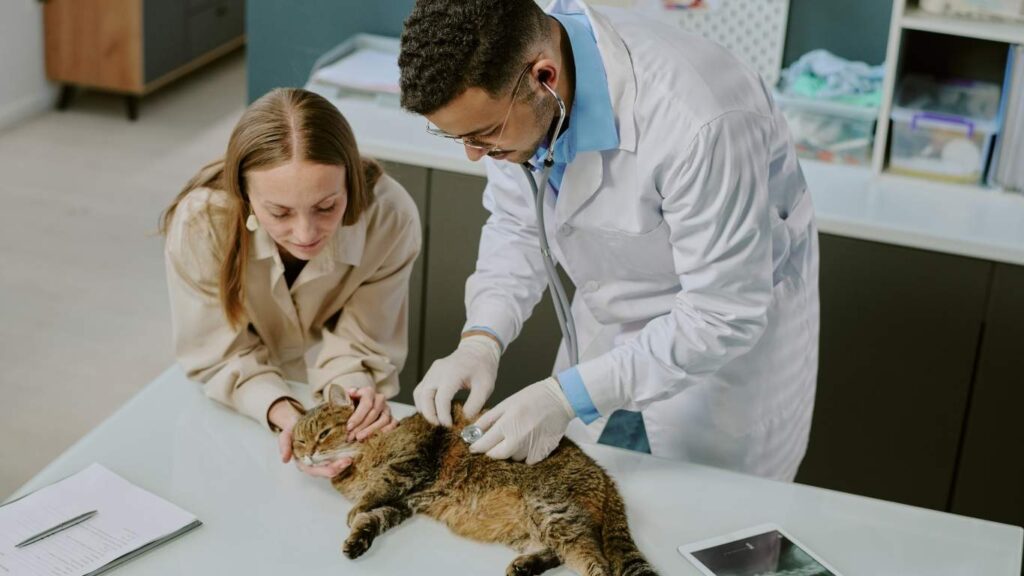
One toss-up here and there is usually fine to just watch. But repeated vomiting is a different story. Call your vet if you notice any of these:
- Throwing up more than once a day for two days straight
- Blood in the vomit, or vomit that looks like coffee grounds
- Your cat seems tired, hiding, or won’t eat
- Vomiting paired with diarrhea or a swollen belly
- Signs of dehydration, like dry gums or sunken eyes
This holds true no matter where you live. A vet in a small clinic outside Columbus, Ohio will run the same checks as one in a busy hospital in Los Angeles. Frequent vomiting is never something to wait out.
How Vets Actually Figure This Out
If home fixes don’t help, your vet will likely start with bloodwork to check the kidneys, liver, and thyroid. An ultrasound or X-ray can rule out a blockage, which is common in cats that like to chew on string, hair ties, or plastic. In trickier cases, a short diet trial helps narrow down a food allergy versus something more serious like inflammatory bowel disease.
Easy Things You Can Try at Home First
- Feed smaller meals, spaced further apart
- Stick to one consistent food instead of switching often
- Use a slow-feeder bowl for cats who eat too fast
- Keep fresh water available at all times
- Watch litter box habits for any changes alongside the vomiting
Most of the time, the answer to why is my cat vomiting is something manageable, not scary. But your cat can’t tell you when something’s actually wrong, so it’s on you to notice the pattern. One episode, watch and wait. Repeated episodes, especially with other symptoms, mean it’s time for a vet visit, not a Google search.
Must Read: How Long Are Cats Pregnant? (Exact Weeks, Months & What to Expect)
FAQs
A single vomit with normal energy, appetite, and litter habits is usually a hairball or mild stomach upset. Keep an eye on it for 24 to 48 hours before worrying.
White foam is typically bile or saliva brought up on an empty stomach, similar to yellow vomit. Feeding smaller, more frequent meals usually fixes it.
No. Vomiting more than once or twice a month isn’t considered normal and should be checked by a vet to rule out an ongoing digestive issue.
See a vet if vomiting happens more than once a day, lasts over 24 hours, includes blood, or comes with tiredness, appetite loss, or diarrhea.
Related Posts



Previous Post
Next Post