Now Reading: Why Is My Dog Scooting? Causes, Fixes and Vet Signs
- 01
Why Is My Dog Scooting? Causes, Fixes and Vet Signs

Certified veterinarian. Last reviewed and updated: November 10, 2026. See our editorial and veterinary review policy.
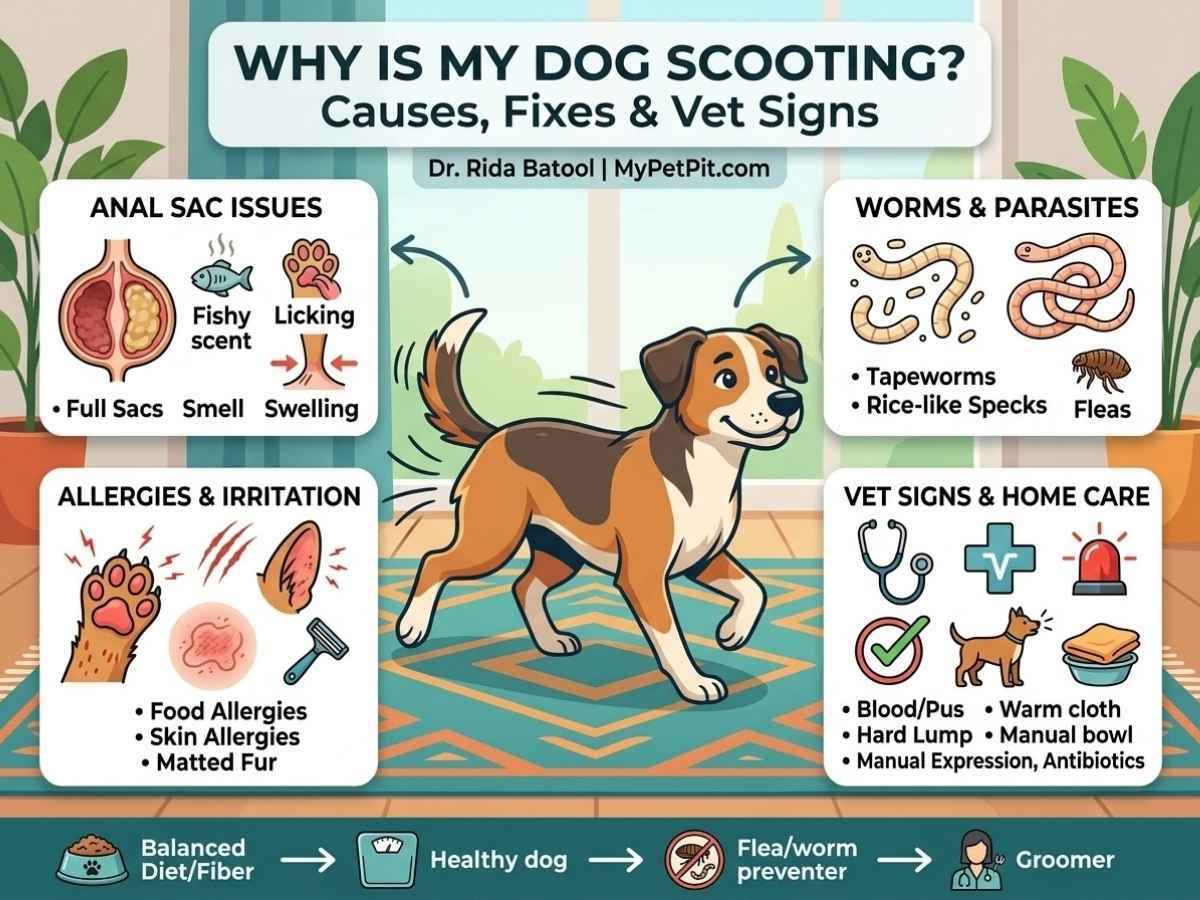
Your dog drops to the floor mid-walk and drags their bottom along the rug. It looks comical, yet it almost always signals itching, pain, or pressure at the back end. So, why is my dog scooting? Most of the time the answer is full anal sacs, but worms, allergies, and sore skin can all cause the same behavior. Each cause needs a different fix, so pinning down the right one matters.
Here is a clear walkthrough from a vet’s point of view, covering causes, safe home care, and the signs that mean a clinic visit can’t wait.
Why Dogs Drag Their Rear Across the Floor
Dogs can’t scratch that area with a paw, so they use the ground instead. That drag eases an itch or empties a swollen gland, at least for a moment.
Owners often describe it as a dog dragging butt on floor, but vets call the behavior scooting. Dog scooting on carpet is the classic scene, though grass, tile, and freshly washed bedsheets work just as well.
Single scoots after a loose stool are usually harmless. Repeated dragging over several days is a pattern, and patterns deserve attention.
Age and breed don’t limit it either. Puppies pick up worms, adults develop allergies, and seniors often struggle with gland emptying as muscle tone drops.
Anal Sacs: The Usual Suspect
Small scent pouches sit on either side of the anus. They normally empty a little each time your dog passes a firm stool.
Soft stools, low fiber, extra weight, or inflamed tissue can stop that emptying. Once emptying stops, the sacs fill, press on nearby nerves, and your dog scoots for relief.
Anal gland problems range from simple fullness to infection and abscess. Signs include a fishy smell, constant licking, or a swollen spot beside the anus.
Other Culprits Behind the Drag
Not every case traces back to the glands. Compare the clues below to narrow things down.
| Possible cause | Clues you may notice | Typical next step |
|---|---|---|
| Tapeworms | Rice-like specks near the tail or in stool | Vet-prescribed dewormer |
| Food or skin allergy | Itchy paws and ears, recurring soft stool | Diet trial guided by your vet |
| Matted fur or clipper burn | Redness, tangles, sore skin after grooming | Gentle trim and soothing rinse |
| Diarrhea or irritation | Loose stool, stained fur | Treat the gut problem first |
| Growth or fistula | Lump, bleeding, ongoing pain | Prompt vet exam |
Tapeworms in dogs usually come from swallowing infected fleas, so a scooting dog with fleas needs checking for both. Our guide to natural flea and tick control for dogs covers prevention.
Loose stools are another trigger, because soft stool leaves the sacs full. If that sounds familiar, read our post on dog diarrhea before the problem drags on.
Gentle Home Care That Actually Helps
Mild cases often settle with simple steps. Try these first:
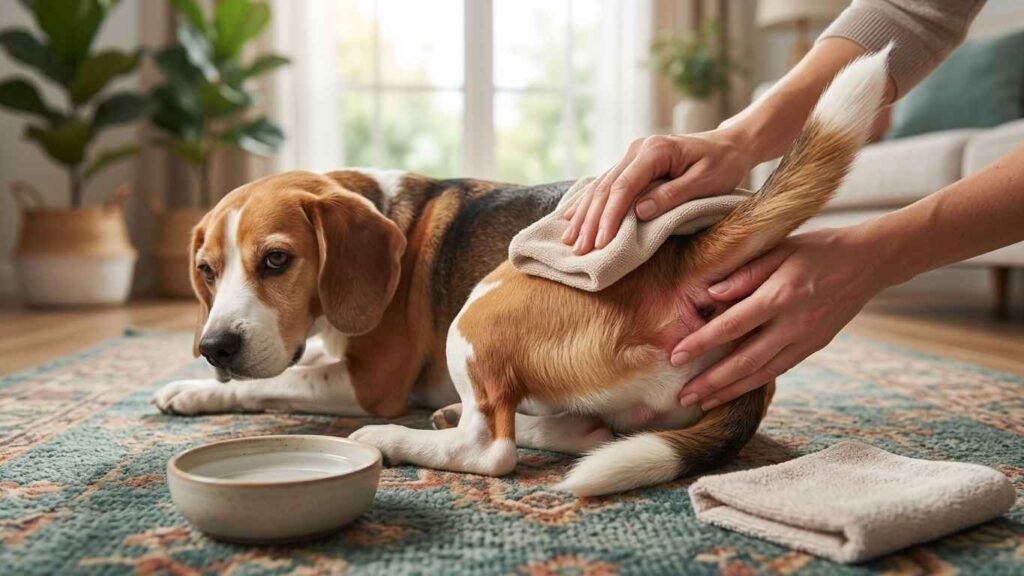
- Check the area in good light for redness, mats, or small cuts.
- Rinse with lukewarm water and pat dry, without harsh soaps.
- Apply a warm, damp cloth for a few minutes to soothe soreness.
- Trim long hair around the rear so waste doesn’t cling.
- Ask your vet about adding fiber, since firmer stools help sacs empty naturally.
- Encourage water intake and daily exercise.
Keep a short diary for a week. Note stool quality, fleas, new foods, and how often the dragging happens. Your vet will find those details far more useful than a guess.
These dog scooting remedies suit mild irritation only. Skip squeezing the glands yourself. Done wrongly, it bruises tissue and can push infection deeper.
Red Flags: When to See a Vet
Still asking why is my dog scooting after several days of home care? Book an appointment if you notice any of these:
- Daily scooting lasting more than 2 or 3 days
- Blood, pus, or foul brown discharge at the anus
- Hard lumps or swelling beside the anus
- Constant licking, chewing, or yelping when sitting
- Visible worms or rice-like specks in stool or fur
- Fever, lethargy, or loss of appetite
Early visits matter. Left alone, a full sac can turn into a painful abscess that needs drainage and antibiotics. If anything on this list sounds familiar, call your local vet clinic today instead of waiting it out.
How Vets Sort Out the Cause
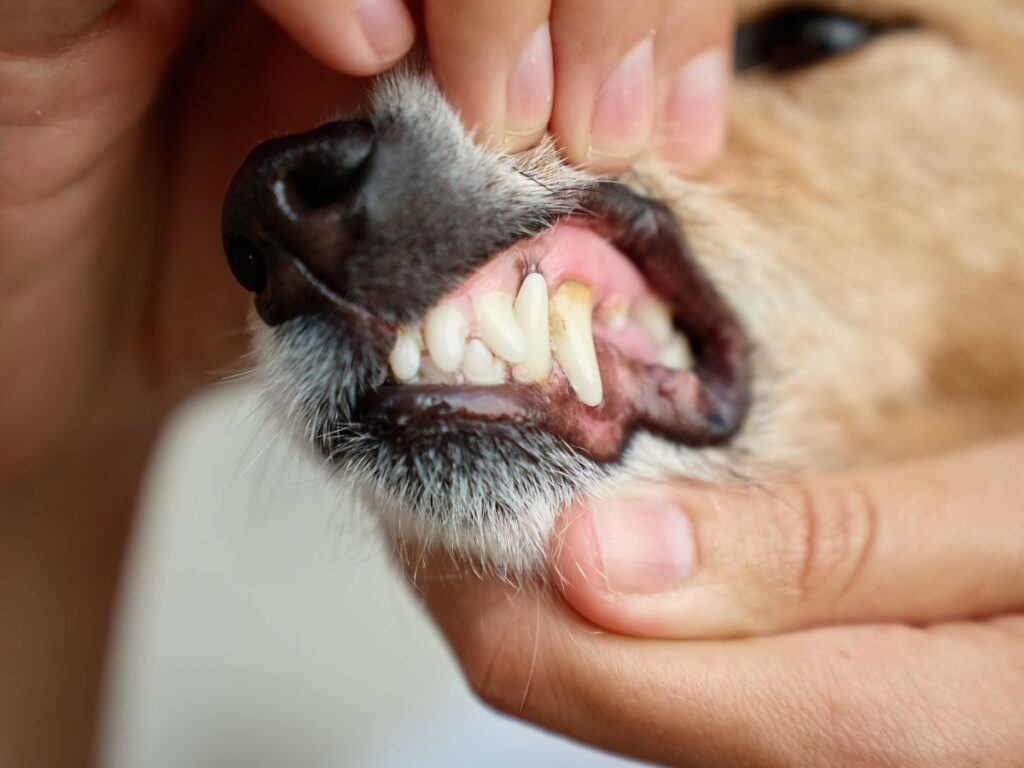
Expect a hands-on exam first. Your vet checks the rear end, feels both sacs, and may take a stool sample to look for parasites.
Expect scooting treatment to depend on the finding:
- Full sacs: manual expression, sometimes repeated visits
- Infection or abscess: flushing, antibiotics, and pain relief
- Worms: a targeted dewormer plus flea control
- Allergies: a diet trial or allergy medication
- Repeat blockage: more fiber, weight loss, or rarely surgery
Prevention Habits Worth Building
Small routines cut down repeat episodes. Feed a balanced diet with steady fiber, and see our list of the best dog food for allergies if a sensitive stomach keeps causing soft stools.
Keep your dog lean, because extra weight squeezes the glands and slows emptying. Stay current on flea and worm prevention all year, and ask your groomer to avoid close clipping near the tail.
Want more vet-backed guidance? Browse our dog health and wellness articles for your next read.
Questions Dog Owners Keep Asking
How often is too often for scooting?
Single scoots after a loose stool rarely matter. Daily scooting beyond 2 or 3 days, or any scooting with blood or swelling, deserves a vet check.
Which worms make dogs scoot?
Tapeworm segments are the best-known cause, as they irritate the skin around the anus. Roundworms can also contribute. Stool testing confirms which parasite is involved.
How safe is expressing the glands at home?
Home expression carries a real risk of bruising, pain, and infection. Most healthy dogs empty their sacs naturally, so leave the procedure to your vet or a trained groomer.
Why does scooting start after grooming?
Close clipping near the tail can leave tender, red skin, and shampoo residue may sting. Mild irritation fades in a day or two, but redness that lingers needs a look.
General information only: your own vet should examine any dog that keeps scooting.
Related Posts
Previous Post
Next Post