Now Reading: Dog Limping: Causes, First Aid, and When to Call
- 01
Dog Limping: Causes, First Aid, and When to Call

Certified veterinarian. Last reviewed and updated: November 10, 2026. See our editorial and veterinary review policy.
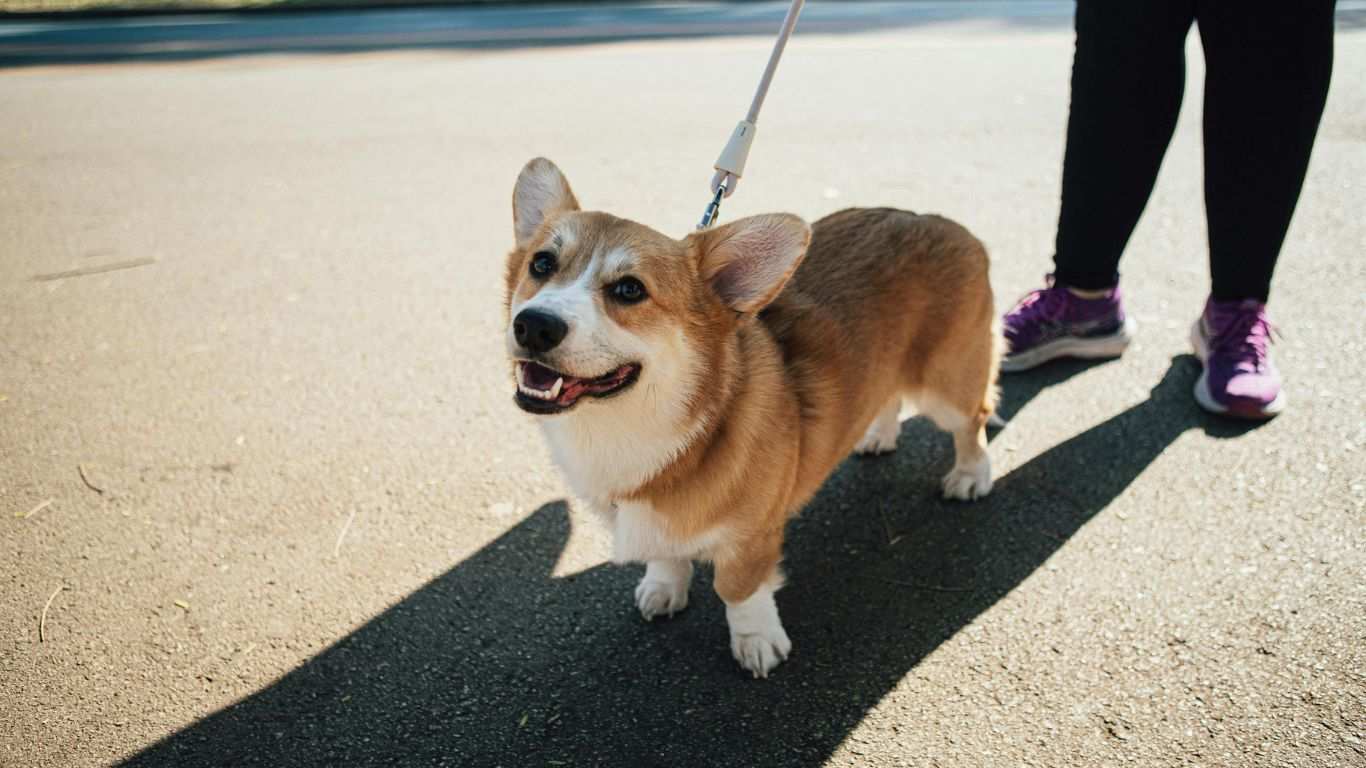
Dog limping can start with a thorn in a paw or a torn ligament in the knee, and the difference matters. Your dog may favor one leg or stiffen after naps. As a vet, I look at when the limp began, which leg is involved, and how much weight your dog will put on it.
Why Is My Dog Limping? Start With the Pattern
Patterns narrow the list quickly. Notice whether the limp came on suddenly or built slowly, which leg is affected, and whether rest makes things better or worse.
| Pattern | Likely cause | How urgent |
|---|---|---|
| Sudden hind-leg limp after play | Cruciate or soft tissue injury | Vet within a day or two |
| Stiff after rest, better after warming up | Arthritis | Schedule an exam |
| Skipping a step now and then | Slipping kneecap | Vet exam |
| Hot, swollen limb | Injury, infection, or bone problem | Prompt visit |
| Dangling or misshapen leg | Fracture or dislocation | Emergency |
Check the Paw First
Paw trouble is the simplest explanation, so start there. Ask a helper to steady your dog, then work through this list.
- Spread the toes and look between them for burrs, thorns, or foxtails
- Inspect each pad for cuts, blisters, or burns from hot pavement
- Look at every nail for cracks or tears
- Feel for heat, swelling, or a sore spot
- Sniff for an infection smell and look for licking marks
Torn nails bleed a lot and hurt, so use dog-safe nail clippers and keep nails short. Our review of dog nail clippers can help you choose a pair.
Joint and Ligament Problems
Cruciate Ligament Tears
Active dogs can tear the cranial cruciate ligament in the knee during a sudden twist. Many dogs hold the leg up, then walk on it stiffly, and sit with the leg kicked out to the side. Surgery is often the best long-term fix.
Arthritis
Stiffness after naps, hesitation on stairs, and slower walks all hint at sore joints. Weight control, vet-guided pain relief, and gentle exercise help. Read about infrared light therapy for dogs with arthritis if you want to explore supportive options.
Hip and Elbow Dysplasia
Loose or malformed joints wear down over time. Large breeds are most at risk, and a bunny-hop gait or reluctance to jump can be early signs.
Kneecap Slips
Small breeds like Chihuahuas and Pomeranians may skip a step and then trot normally. Mild cases can be monitored, while severe ones may need surgery.
Puppy Growth Pains and Bone Disease
Large-breed puppies can develop a shifting-leg limp from panosteitis, a bone condition that usually settles with age. Persistent limping with swelling in an older large dog should never be ignored, because bone tumors are a possibility.
Red Flags: Go to the Vet Now
- Your dog refuses to put any weight on the leg
- Limb dangles, bends oddly, or looks swollen
- There is heavy bleeding or an open wound
- Fall, car accident, or fight happened right before the limp
- Fever, crying, or refusing food come with the limp
Do not wait for these signs to improve on their own. Call an emergency clinic and keep your dog calm while you travel.
Dog Limping After Exercise or Walks
Too much activity causes sore muscles, strained tendons, and worn pads. Limps after a hike or fetch session that fade within a day are often mild strains. Repeat episodes after every outing suggest joint trouble. Build up exercise slowly, and keep a log of which activities trigger the problem.
Senior Dogs and Puppies
Seniors limp mostly from arthritis, so ask about pain control at wellness visits. Puppies have soft growth plates that can fracture from rough play or falls. Any puppy limp lasting more than a day deserves a vet exam. Rest and a quick call to your vet’s office are the safest first steps.
Safe First Aid at Home
When a dog is limping mildly, still putting weight on the leg, and acting normal, a short rest trial is reasonable. Call your vet if there is no improvement in 24 to 48 hours.
- Restrict running, jumping, and stairs
- Use short leash walks for bathroom breaks only
- Apply a cool compress for 10 minutes on fresh swelling, with a towel in between
- Provide soft bedding and non-slip floors
Never give human painkillers like ibuprofen or naproxen, because they can cause serious harm. Vets prescribe dog-safe options, and our overview of meloxicam for dogs explains how one of them works.
Vet Exam, X-Rays, and Treatment
Expect a hands-on exam that tests each joint, plus a look at how your dog walks. X-rays often follow, and sedation may be needed to get clear images. Treatment ranges from rest and medication to physical therapy and surgery.
Prevention and Joint Care
Keep your dog lean, since extra weight stresses every joint. Warm up with a short walk before play, add rugs on slick floors, and trim nails regularly. Limit repetitive jumping for puppies and seniors. Read more routine care in our pet health guide.
Dog Limping Questions Answered
Give mild limps 24 to 48 hours of rest, then call if there is no improvement. Call right away for severe pain, swelling, or no weight bearing.
Stiffness after rest often signals arthritis or an old injury. Vet exams confirm the cause and plan comfort care.
Dogs hide pain well, so a limp always signals discomfort or a mechanical problem. Do not assume it is harmless because your dog stays cheerful.
Skip home wraps unless your vet shows you how, since tight wraps cut off circulation. Rest and a vet visit are safer first steps.
Dog limping rarely resolves on its own when something structural is wrong. Check the paw, rest your dog, and book that vet visit soon. Share this guide with other dog owners who are guessing at the cause.
Sources and Further Reading
Related Posts
Previous Post
Next Post