Now Reading: Dog Panting: Normal Causes and When to Worry
- 01
Dog Panting: Normal Causes and When to Worry

Certified veterinarian. Last reviewed and updated: November 10, 2026. See our editorial and veterinary review policy.
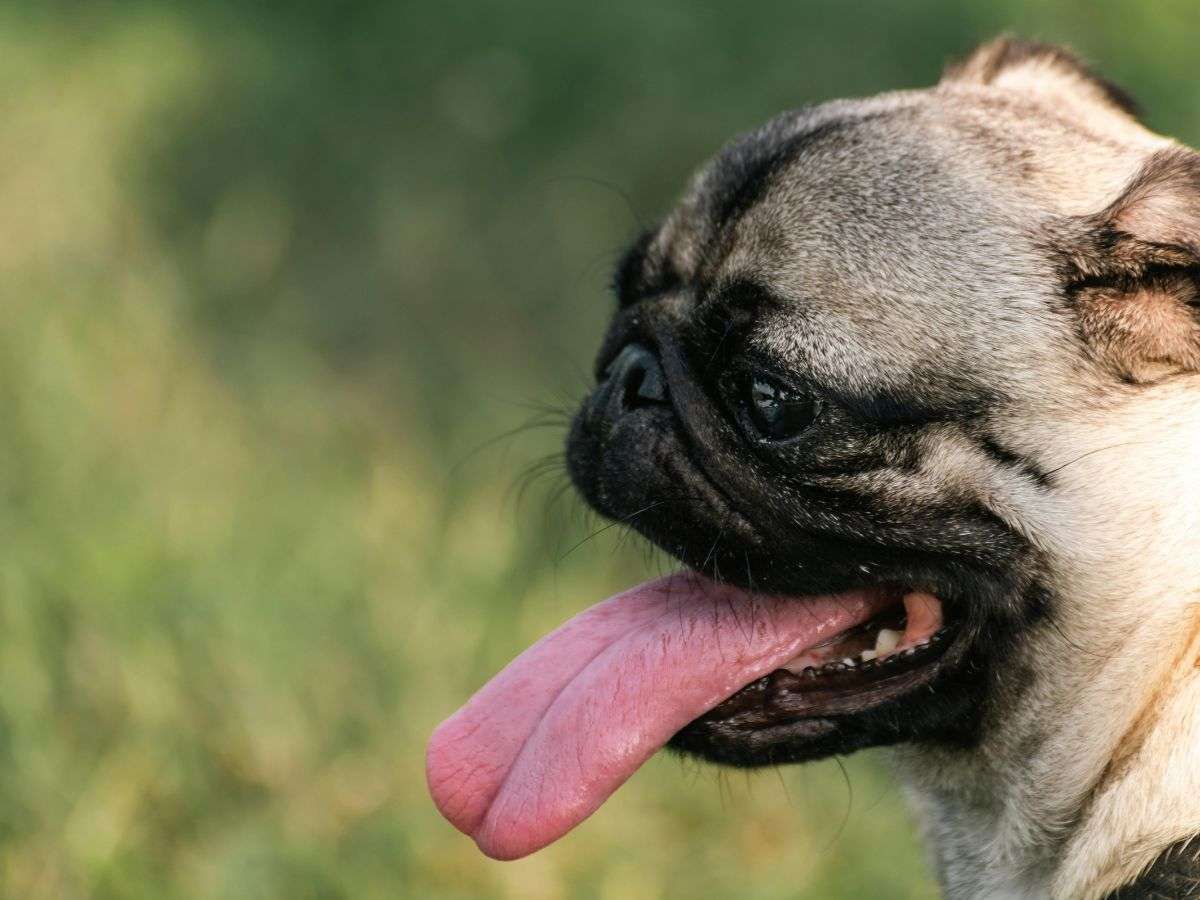
Dog panting is how your dog cools off, so a little huffing after a game of fetch is normal. Trouble starts when it shows up at rest, at odd hours, or alongside other symptoms. As a vet, I look at three things: when it happens, how it looks, and what comes with it.
Normal Panting: Heat, Play, and Excitement
Dogs have very few sweat glands, so they release heat through the tongue, mouth, and nose. Expect heavy breathing after exercise, on warm days, during car rides, and when something exciting happens.
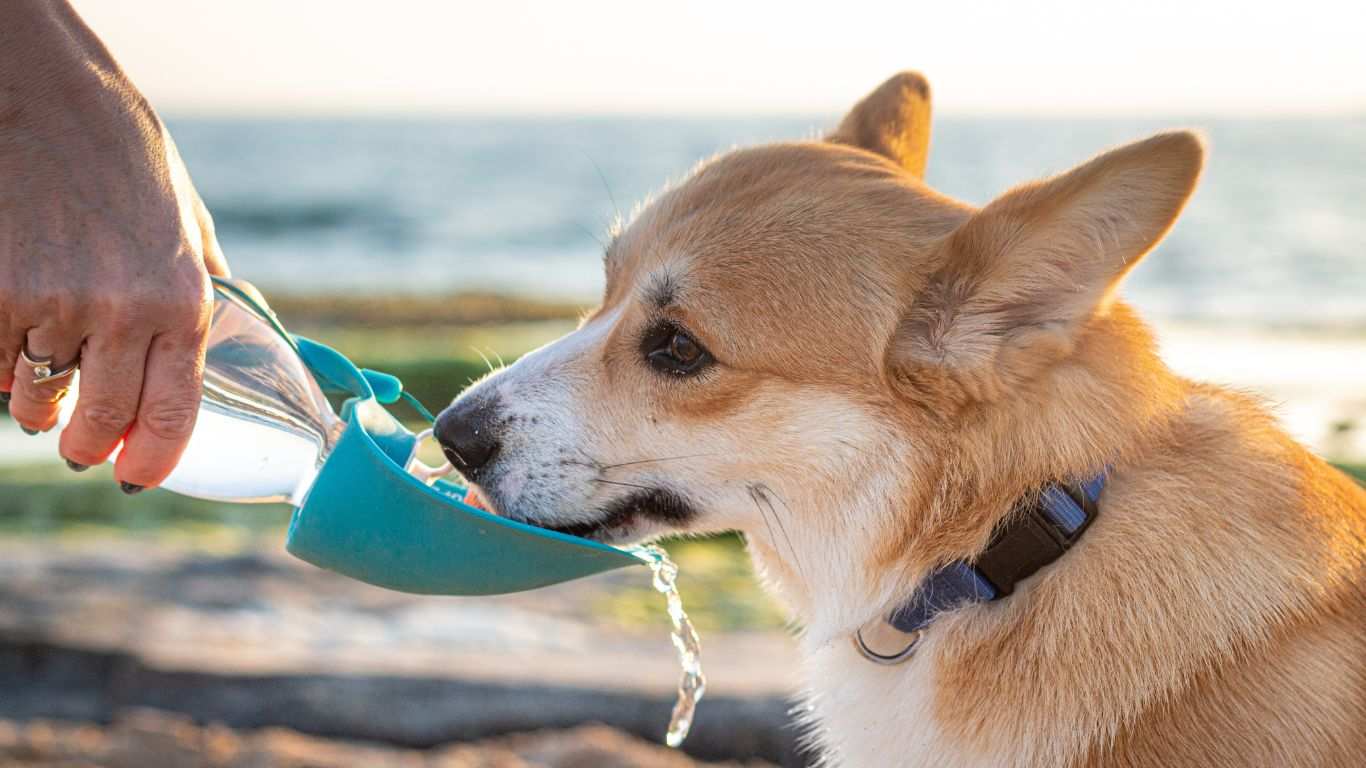
Normal panting settles within a few minutes of rest and cool air. Gums stay pink and moist, and your dog behaves like their usual self. Behavior outside that pattern deserves a closer look.
When a Panting Dog Needs Attention
Heatstroke
Heavy panting with thick drool, bright red or pale gums, vomiting, wobbling, or collapse is an emergency. Flat-faced breeds like Bulldogs and Pugs overheat fastest. Rectal temperature above 104°F means head to a vet right away, and our guide on checking a dog’s temperature shows how to do it safely.
Pain and Discomfort
Dogs hide pain well, and restless panting is often the only clue. Watch for pacing, trouble settling, or panting through the night.
Arthritis, injuries, and dental pain are common triggers. Senior dogs with sore joints may pant after walks they once handled easily, so ask your vet about pain control instead of blaming age. Bloat shows up as a swollen belly with unproductive retching in a deep-chested dog, and it needs an emergency clinic.
Anxiety and Stress
Thunderstorms, fireworks, car rides, and vet visits can set off panting along with pacing, lip licking, trembling, and hiding. Calm routines, a quiet den space, and a talk with your vet about training or medical support usually help.
Dog panting during storms often starts before the first thunderclap, since dogs sense pressure changes and distant rumbles. Start calming habits early, and keep a safe room ready.
Heart and Lung Disease
Fast panting at rest, a cough, and tiring on walks can point to trouble in the heart or lungs. Read more about heart disease in senior dogs if your dog fits that profile.
Hormones, Medications, and Poisoning
Excess cortisol from Cushing’s disease brings heavy panting, extra thirst, and a pot-bellied look. Our overview of Cushing’s disease in dogs covers the details. Steroid medicines can cause panting as well, so mention every prescription to your vet.
Fever, anemia, and toxins trigger panting too. If your dog ate something suspicious, read about what to do after a chocolate mishap and call your vet or a poison hotline without delay.
Dog Constantly Panting? Run This Quick Check
- Heat: has your dog just exercised, or is the room warm?
- Gums: are they pink and moist, or pale, blue, or bright red?
- Rest: do chest rises stay above 30 per minute while your dog sleeps?
- Behavior: is there pacing, drooling, hiding, or a hunched posture?
- History: did a new medicine, food, or stressor appear recently?
Call your vet if heavy breathing lasts more than 15 minutes after rest and cooling. Pale or blue gums mean an immediate trip.
Sounds and Styles of Panting
- Fast and shallow with an open mouth: heat, play, or excitement
- Loud and raspy: airway trouble, which needs a vet exam
- Heavy and effortful with a stretched neck: breathing distress
- Snorty and noisy in flat-faced breeds: a narrowed airway that overheats easily
Older Labradors and other large breeds can develop laryngeal paralysis, a condition where the voice box stops opening fully. It causes noisy, raspy breathing that worsens in warm weather. Schedule an exam if you hear a new rasp.
Puppies pant during play and then crash for a nap, which is normal. Ask your vet if a young dog pants hard with no obvious reason.
Cool Your Dog Down Safely
- Move your dog to shade or an air-conditioned room
- Wet the belly, armpits, and paws with cool or lukewarm water
- Run a fan across the damp fur
- Offer small sips of water, not a full bowl at once
- Skip ice baths, since extreme cold can backfire
Even after your dog seems better, heatstroke can harm organs hours later. Schedule a vet check the same day.
Night Panting in a Cool Room
Midnight panting in a cool house is rarely about temperature. Pain, anxiety, Cushing’s disease, and heart trouble top the list. Seniors with cognitive changes may pace and pant after dark.
Track how many nights it happens and tell your vet. Create a cool, quiet sleep spot, and note whether the panting follows meals, medications, or storms.
Prevention Habits That Keep Dogs Cool
Walk early in the morning or after sunset, and test pavement with your hand first. Carry water, and never leave a dog in a parked car, even for a minute.
Keep your dog at a healthy weight, because extra pounds make every breath harder. Schedule a yearly checkup, or twice yearly for seniors, so small problems get caught early.
Dog Panting Questions Answered
Count breaths while your dog sleeps. Counts that stay above 30 per minute, or panting that does not ease within 15 minutes of rest, call for a vet visit.
Pain, anxiety, hormone disease, and heart problems are the usual suspects. Mention it to your vet if it happens more than a few nights.
Offer small sips of cool water at a time. Big gulps can lead to vomiting, which adds to the stress.
Seniors often pant more because of arthritis, heart or lung changes, and hormone problems. Extra panting is a good reason for a senior wellness exam.
Dog panting tells a story, so learn the normal version and act fast when it changes. Book a wellness visit, save your vet’s emergency number, and share this guide with other dog owners.
Sources and Further Reading
Related Posts
Previous Post
Next Post