Now Reading: Best Dog Food for Allergies: 10 Vet-Reviewed Picks
- 01
Best Dog Food for Allergies: 10 Vet-Reviewed Picks


Certified veterinarian. Last reviewed and updated: November 10, 2026. See our editorial and veterinary review policy.
Itchy paws, red ears, and nonstop scratching send many owners straight to the pet store. I see this weekly in clinic, and the best dog food for allergies is rarely the one with the fanciest bag. It is the food that matches your dog’s trigger and survives a proper diet trial.
Below are ten options I would consider, plus the vet steps that make any of them work. Several are prescription diets, so your veterinarian must approve those orders.
Dog Food Allergy Symptoms to Watch For
Food allergy is an immune reaction to a protein, most often beef, dairy, chicken, or wheat gluten. Skin and ear trouble is the classic picture. Some dogs also vomit or pass loose stools, and signs often appear after months on the same food.
- Itchy paws, belly, or face
- Recurrent ear infections or head shaking
- Red, thickened skin with patchy hair loss
- Chronic yeast or bacterial skin infections
- Soft stools, gas, or occasional vomiting
Start With an Elimination Diet Trial
Blood and saliva tests for food allergy are unreliable, so I do not lean on them. Gold-standard diagnosis is an elimination trial, as VCA Animal Hospitals also explains. Feed one hydrolyzed or novel-protein diet for 8 to 12 weeks, with no treats, flavored chewables, or table scraps.
Flavored medications, chewable preventives, and supplements can also carry protein, so tell your vet everything your dog swallows. Hidden extras ruin otherwise perfect trials.
If itching clears, we reintroduce the old food. Signs returning within about a week confirm the allergy. Dogs that skip this step often bounce between expensive bags with no answers.
Compare Hydrolyzed and Novel Protein Diets
Hydrolyzed protein dog food splits proteins into pieces too small for the immune system to recognize. Novel protein dog food uses a meat your dog has never eaten, such as duck, venison, or alligator. Both work, and diet history decides which fits.
Retail limited ingredient dog food lacks the cross-contamination controls of veterinary diets. It suits mild sensitivities better than a true trial.
Vet Picks for Allergic Dogs
Every pick fits a different scenario, so match the food to your dog’s history. Treat the best dog food for allergies as a plan your vet confirms, not a bag you grab on impulse.
Here is the shortlist at a glance. Details on each food follow below.
| Pick | Vet approval needed | Best match |
|---|---|---|
| Royal Canin Hydrolyzed Protein (Dry) | Yes | Strict elimination trials |
| Hill’s Prescription Diet Wet Food | Yes | Dogs that drink little water |
| Blue Buffalo Salmon Formula | No | Seasonal itch |
| Blue Buffalo Novel Protein Blend | No | Dogs that never ate alligator |
| Open Farm Plant-Based Recipe | No | Chicken, beef and dairy triggers |
| Wellness Limited Ingredient Lamb | No | Mild cases on a budget |
| Royal Canin Veterinary Diet for Skin | Yes | Yeast-prone allergic skin |
| Hill’s Prescription Digestive Care | Yes | Loose stools and gas |
| Purina Pro Plan Veterinary Hydrolyzed | Yes | Severe or multi-trigger cases |
Royal Canin Hydrolyzed Protein (Dry)
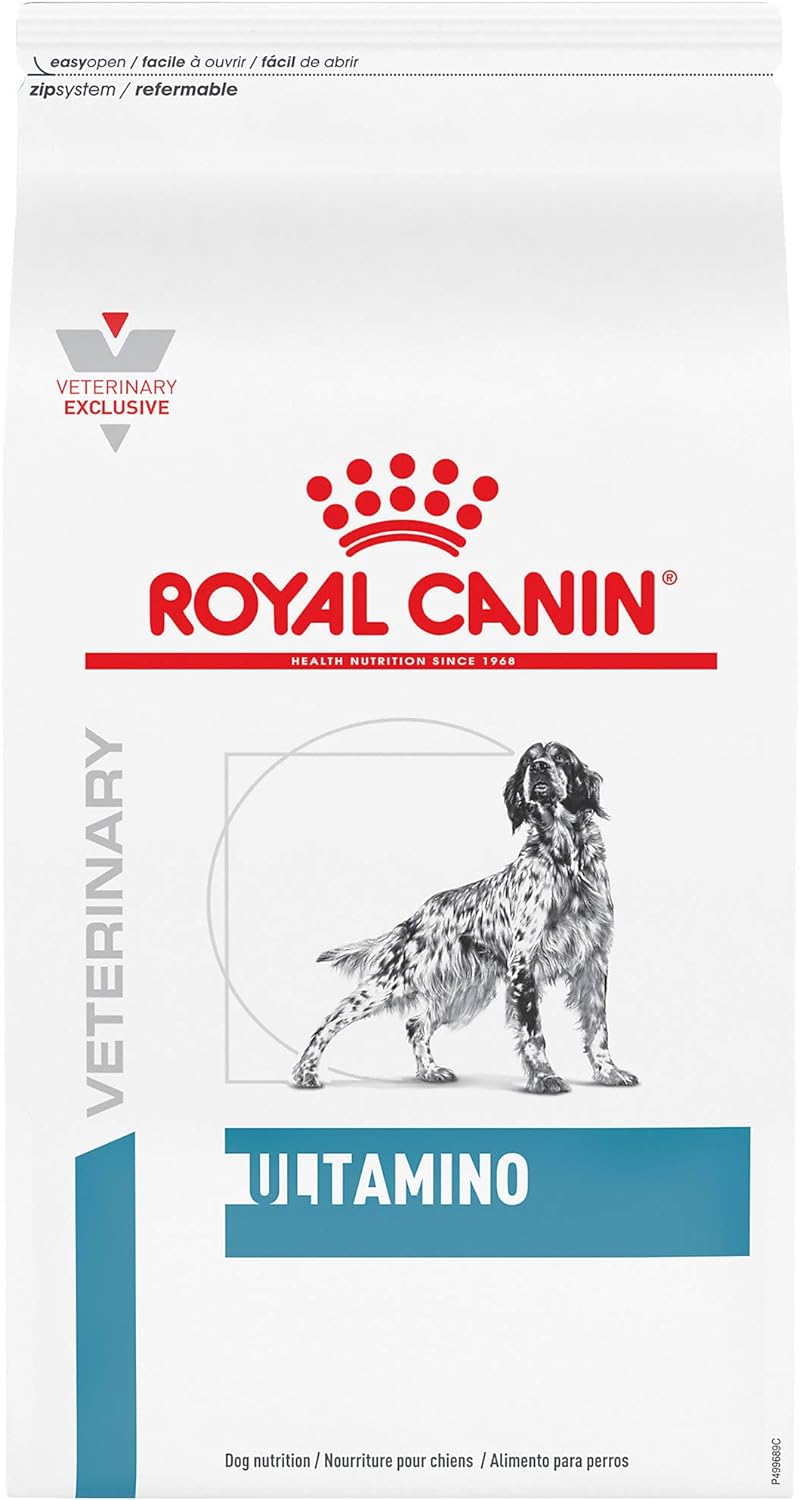
Poultry proteins are broken into amino-acid-sized fragments, so immune reactions are rare. Omega-3 fats support the skin barrier. I reach for it first as the best dog food for skin allergies when a strict trial is needed. Prescription required.
Hill’s Prescription Diet Wet Food
Hydrolyzed chicken liver keeps immune reactions low, and the canned texture helps dogs that drink little water. It also supports stool quality. Cans come in 12-ounce sizes through veterinary authorization.
Blue Buffalo Salmon Formula
Salmon, salmon meal, and fish oil supply omega-3 and omega-6 fats that calm inflamed skin. Wheat and soy are left out. It suits dogs with seasonal itch but cannot replace a diet trial.
Blue Buffalo Novel Protein Blend
Alligator is the novel protein here, backed by fish oil and flaxseed for omega-3 fats. Novelty only counts if your dog has never eaten that meat. Confirm the diet history with your vet first.
Open Farm Plant-Based Recipe
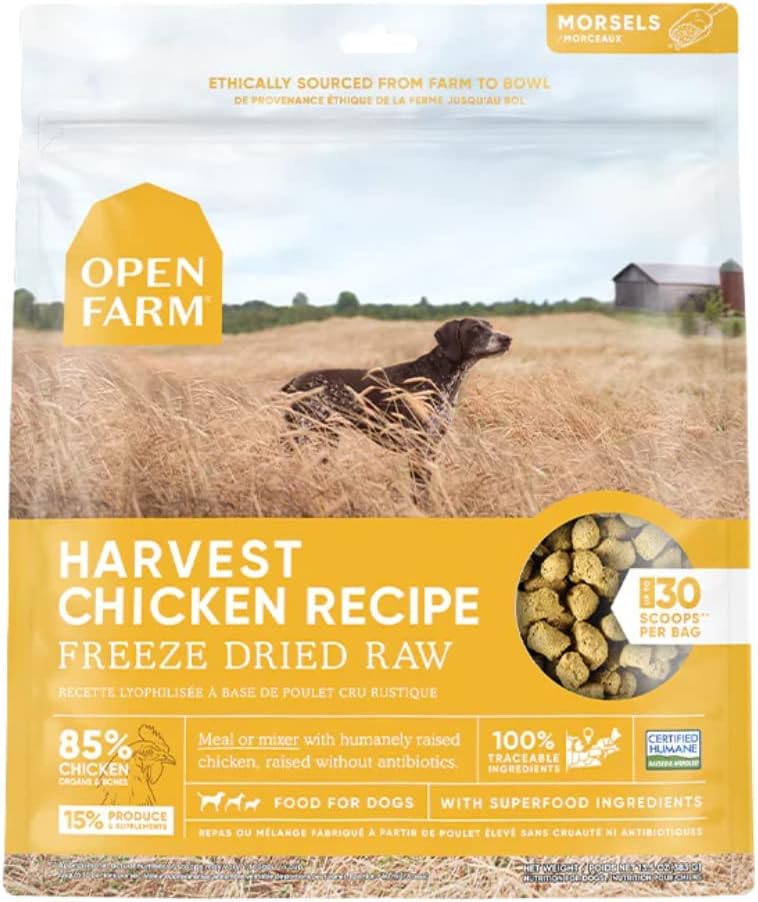
Sweet potato, fava beans, and whole-grain barley replace chicken, beef, and dairy, the usual suspects. Omega fats come from flaxseed, sunflower, and coconut oil, so fish-allergic dogs are covered too.
JustFoodForDogs Fresh Lamb
Lamb is the only animal protein in this gently cooked recipe, with Icelandic fish oil for omega-3s. Beef-allergic dogs may cross-react to lamb. Thaw portions in the fridge before serving.
Wellness Limited Ingredient Lamb
Lamb is the single meat in this grain-free kibble, paired with digestible carbohydrates and probiotics. Omega fats and glucosamine add skin and joint support. Budget-minded owners with mild cases often start here.
Royal Canin Veterinary Diet for Skin
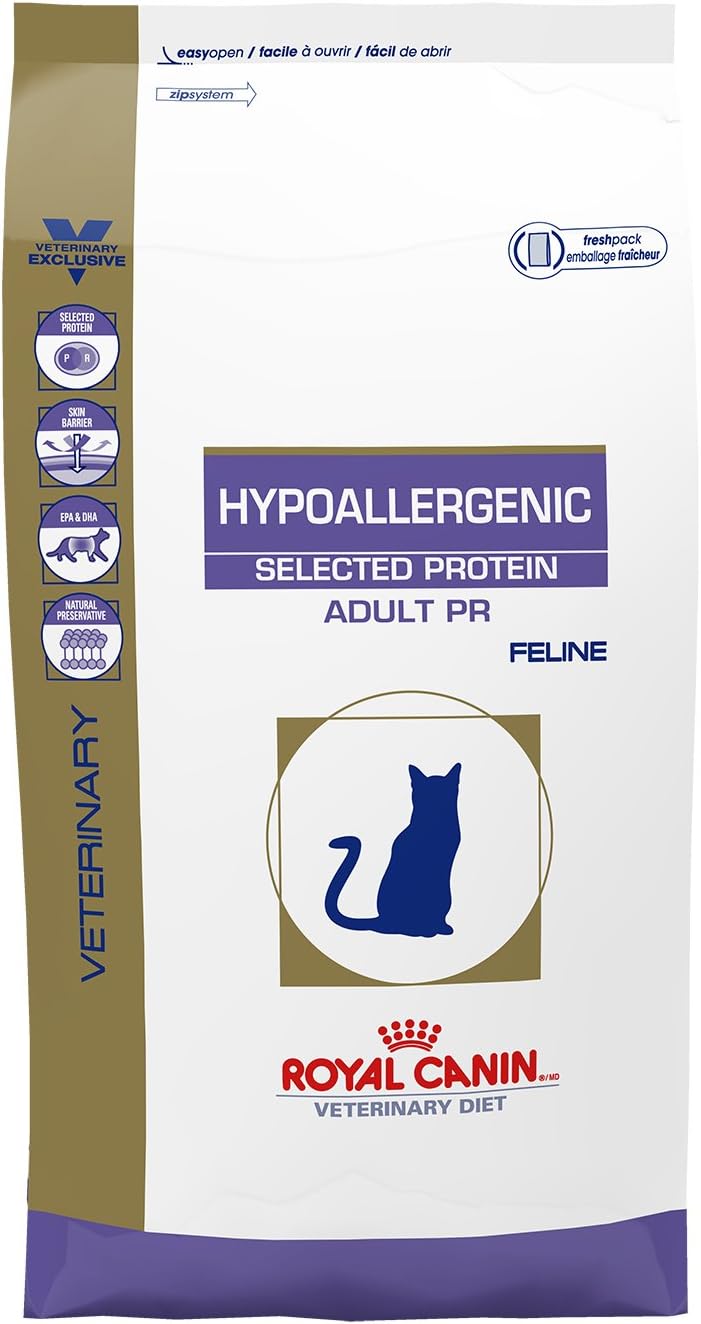
Hydrolyzed protein and extra omega fats make this a smart dog food for yeast infections tied to allergy. It leaves out beef, chicken, wheat, and soy. Food alone will not clear yeast, so ask about medicated shampoo too.
Hill’s Prescription Digestive Care
Highly digestible ingredients suit dogs whose allergies show up as loose stools or gas. It targets the gut more than the skin. Choose it when digestion is the main complaint.
Purina Pro Plan Veterinary Hydrolyzed
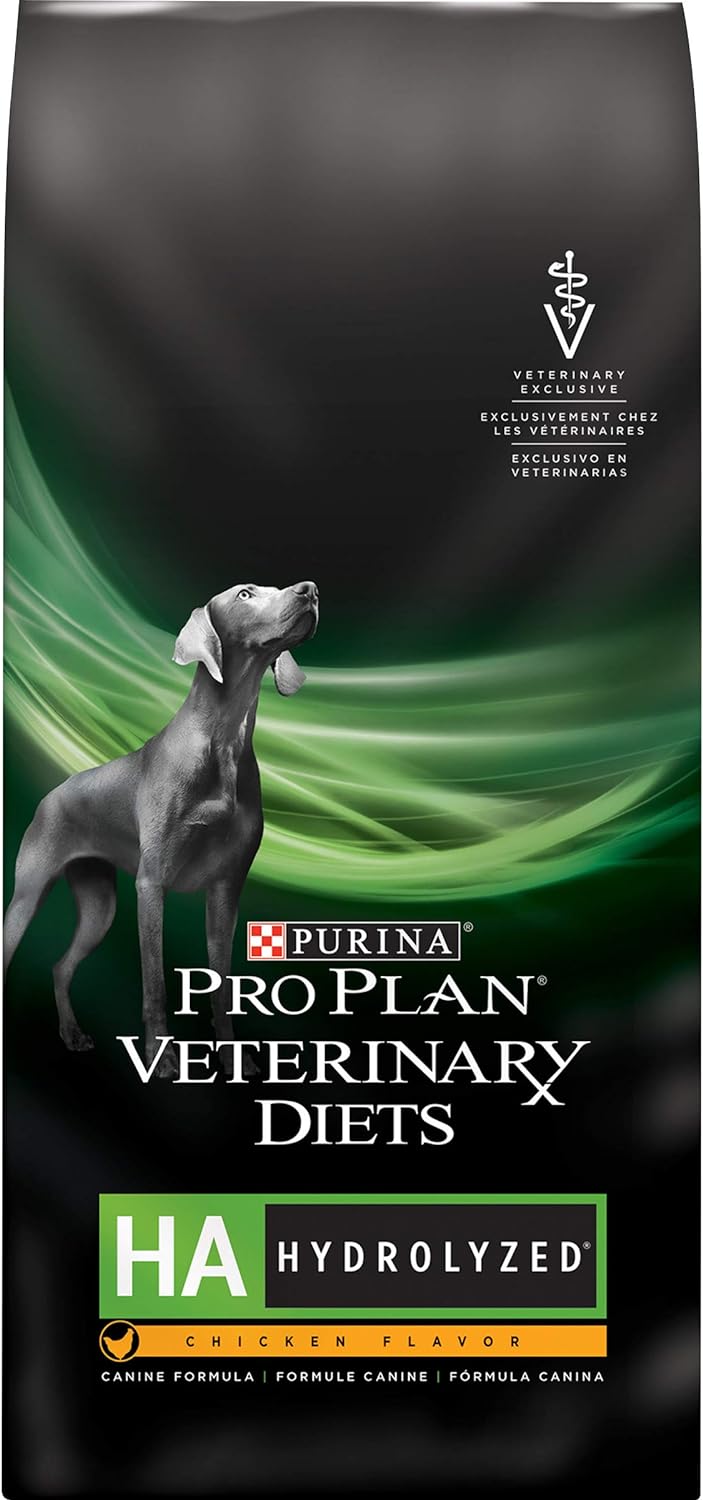
Proteins are broken into tiny fragments, which lowers the chance of an allergic response. I recommend it for severe or multi-trigger cases. Your vet can authorize the order online.
Allergy or intolerance? Know the difference
Allergy involves the immune system and usually brings itch, ear trouble or paw licking. Intolerance does not, and tends to show up as gas, loose stools or vomiting after certain ingredients.
Both start with a vet-guided plan. Intolerance often settles on a highly digestible diet, which is what Hill’s Prescription Digestive Care is built for.
Grass allergies need more than a new bowl
Grass and pollen allergies are environmental, so no food will cure them. A diet rich in omega-3 fats supports the skin barrier while your vet manages the cause.
Wiping paws and belly after walks keeps pollen off the skin. Medication from your vet covers the rest.
Why Grain-Free Is Not the Answer
Grain allergy is rare compared with beef, dairy, and chicken, so grain-free labels can mislead. FDA investigators have also examined heart disease reports in dogs eating some grain-free, legume-heavy diets. Ask your vet before choosing one long term.
When Food Is Not the Cause
Many allergic dogs also react to fleas or pollen, so diet alone may not end the itch. Medication, medicated baths, and flea control often work alongside food. Our English bulldog skin allergies guide shows how layered care looks in one breed.
FAQs About Dog Food Allergies
Which canned dog food is best for allergies?
Hill’s Prescription Diet wet food is the canned pick in this list. It uses hydrolyzed chicken liver and needs vet authorization. Retail wet foods labeled hypoallergenic are not tested the same way.
How long does an elimination trial take?
Plan on 8 to 12 weeks. Some dogs improve by week four, but skin needs time to heal. Extra treats midway restart the clock.
Which ingredients cause most dog food allergies?
Beef, dairy, chicken, and wheat gluten lead the list, with eggs and soy behind them. Any protein can cause trouble after long exposure.
Where can I buy hydrolyzed dog food?
Veterinary hydrolyzed diets need authorization from your vet, who can approve online pharmacy orders. Over-the-counter formulas labeled hypoallergenic are not tested the same way.
How soon will my dog stop itching on a new diet?
Expect gradual change over several weeks. Fleas, infections, and pollen allergy can keep itching alive, so recheck with your vet if progress stalls.
Next Steps for Your Itchy Dog
Start with a vet visit, not a shopping cart. Your vet can rule out fleas and infections, pick a trial diet, and plan the recheck. Browse more pet care tips while you wait, then book that appointment.
Related Posts


Previous Post
Next Post