Now Reading: Clown Fish Facts: Diet, Habitat & Lifespan Guide
- 01
Clown Fish Facts: Diet, Habitat & Lifespan Guide

Certified veterinarian. Last updated: November 10, 2026. See our editorial and veterinary review policy.
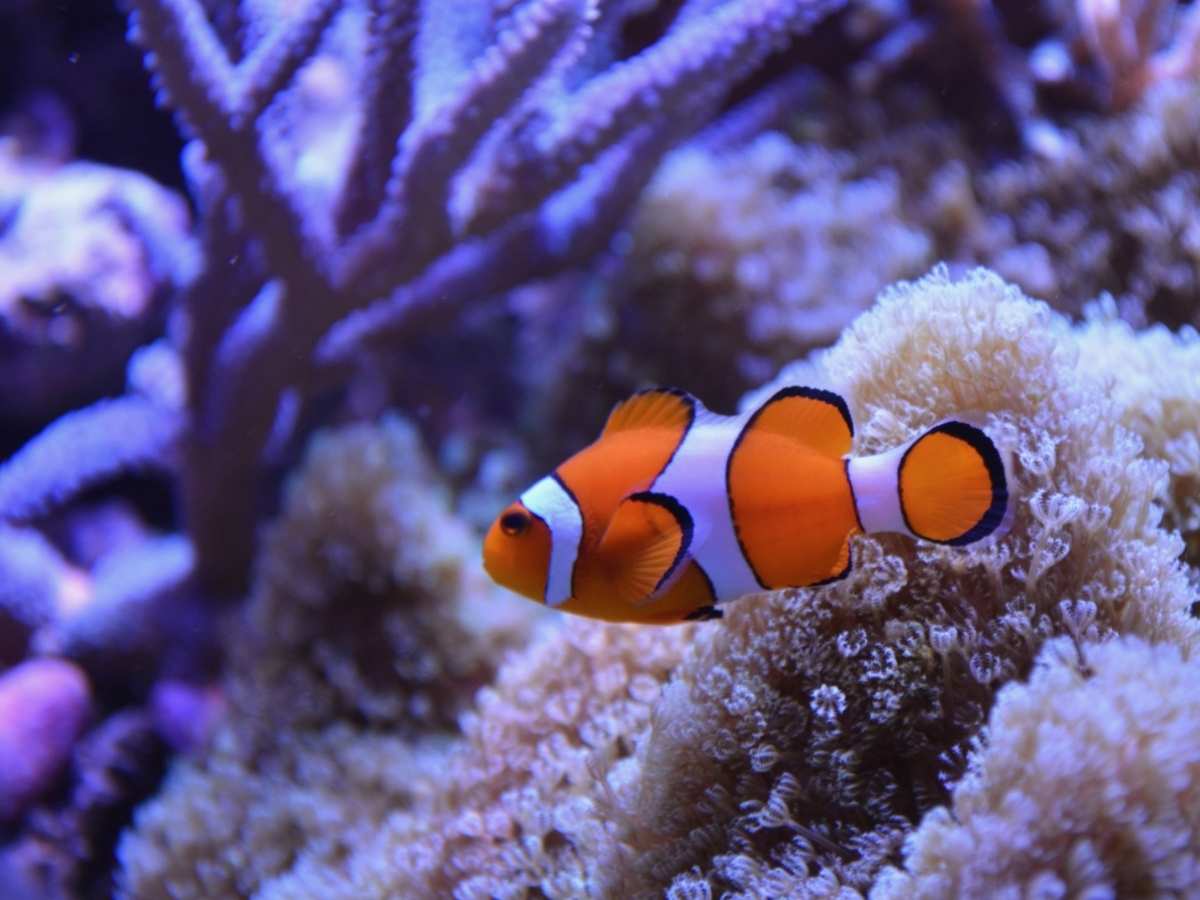
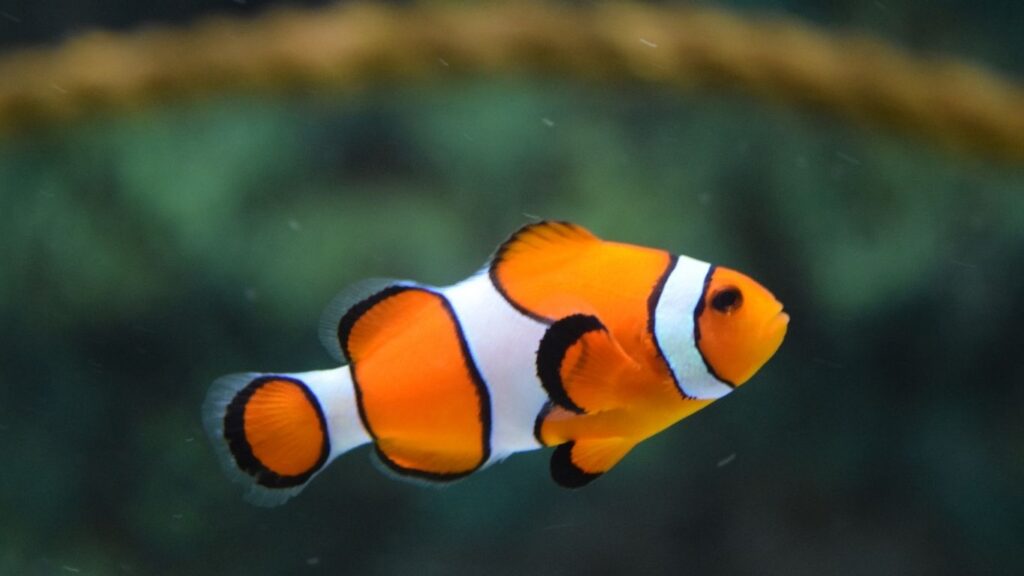
Clown fish are one of the most recognizable saltwater fish around, thanks in large part to a certain animated movie, but there’s a lot more to them than bright orange stripes. They live in a very specific kind of home, eat a very specific diet, and carry one genuinely wild biological trait most people never hear about. Here’s a clear, honest look at how it actually live.
Fun Reading: Top 5 Easiest Pet Lizards to Own
Where Do Clown Fish Live?
In the wild, it lives in the warm, shallow reefs of the Indian and Pacific Oceans, tucked into the tentacles of sea anemones. That relationship isn’t random,this fish are immune to the anemone’s sting thanks to a protective mucus coating, and in return, they chase off predators that might otherwise eat the anemone. You won’t find wild fish naturally in US waters, but plenty of aquariums, including well-known public ones in Chicago and Boston, keep tank-raised fish on display year-round.
What Do Clown Fish Eat?
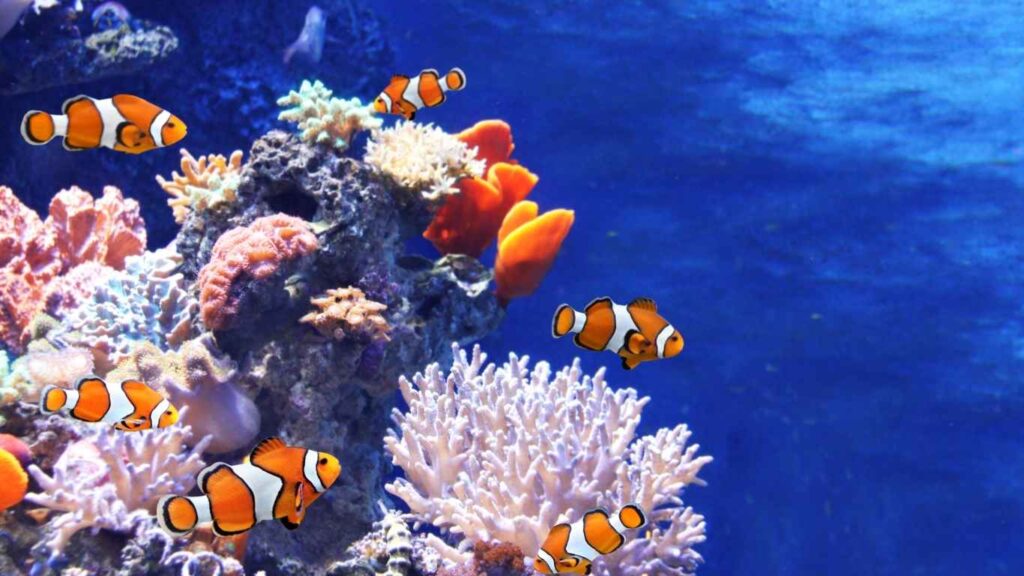
Clown fish are omnivores with a pretty flexible diet. In the wild, what do clown fish eat mostly comes down to algae, plankton, and small crustaceans drifting past their anemone home. In a home aquarium, they do well on a mix of quality flake food, frozen brine shrimp, and mysis shrimp a few times a day. Feeding a varied diet keeps their color bright and their immune system strong.
Must Read: Bunny Cleaning Ears 101: Safe, Simple Steps Every Bunny Parent Must Know
Do Clown Fish Change Gender?
Yes, and it’s one of the most fascinating facts in the fish world. Every clown fish is born male. Within each anemone group, the largest, most dominant fish becomes female, and she’s typically the only breeding female in the group. If she dies, the top male actually changes sex and takes her place. This system, called sequential hermaphroditism, keeps the group stable without needing to search for a new mate elsewhere.
How Long Do Clown Fish Live?
With good care, this fish live surprisingly long lives. In a well-maintained home aquarium, six to ten years is common, and some owners report their fish living past 15 with excellent water quality and diet. In the wild, lifespan tends to run shorter due to predators and environmental stress, though a healthy anemone partnership can extend it. Stable water temperature and consistent feeding make the biggest difference in captivity.
Are Clown Fish a Good Beginner Fish?
For the most part, yes. They’re hardy, don’t demand a huge tank, and tolerate minor water fluctuations better than many other saltwater species. That said, they still need a properly cycled saltwater tank, not a simple bowl, so new owners should budget for the right setup before bringing one home.
Quick Care Basics
- Tank size: at least 20 gallons for one or two fish
- Water temperature: 74 to 80°F, kept stable
- Diet: varied, several small feedings a day
- Tank mates: peaceful species, ideally with an anemone if experienced
Clown fish pack a lot of personality and biology into a small, colorful package. Whether you’re just curious after watching them on screen or thinking about starting a saltwater tank, understanding how they live, eat, and even change gender makes it a lot easier to appreciate them, and care for them properly if you decide to bring some home.
FAQs
Yes, especially in home aquariums. Anemones are helpful but not required for a clown fish to survive and thrive.
Generally peaceful, though they can be territorial around their chosen anemone or hiding spot.
Yes, they’re strictly saltwater fish and can’t survive in freshwater tanks.
A quality marine flake food combined with occasional frozen brine or mysis shrimp covers most of their nutritional needs.
Related Posts



Previous Post
Next Post