Now Reading: Dog Coughing: Causes, Red Flags, and What to Do
- 01
Dog Coughing: Causes, Red Flags, and What to Do
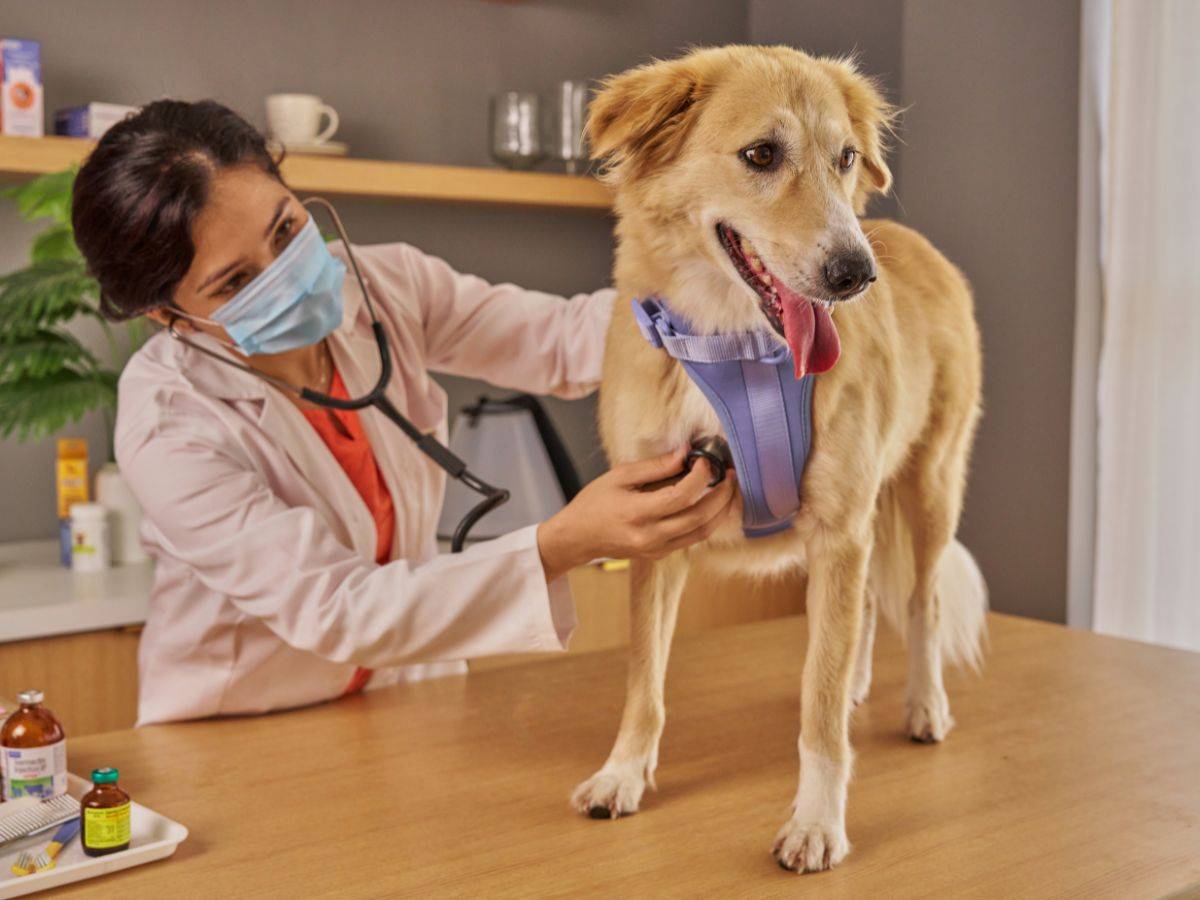

Certified veterinarian. Last reviewed and updated: November 10, 2026. See our editorial and veterinary review policy.
Dog coughing can sound scary, especially at 2 a.m. Most cases trace back to a short list of causes, though, and a few clues tell you how urgent things are. As a vet, I sort coughs by sound, timing, and companions like fatigue or fast breathing. Use this guide to do the same at home.
Why Is My Dog Coughing? Start With the Sound
Honks, hacks, wet rattles, and gags each point in a different direction. Record a short video on your phone, because coughs rarely perform at the clinic. Your vet will learn more from that clip than from any description.

| Cough sound | Common cause | How soon to call |
|---|---|---|
| Dry honk | Kennel cough, weak windpipe | Within a day or two |
| Wet and bubbly | Pneumonia, heart disease | Same day |
| Worse at night or on walks | Heart disease, heartworm | Book an exam soon |
| Sudden gagging | Stuck object | Emergency |
Common Causes Behind Dog Coughing
Kennel Cough
Dogs pick up this contagious airway infection at boarding facilities, groomers, daycare, and dog parks. Expect a dry, honking cough that sometimes ends in a gag or foamy white spit.
Many dogs still eat and play normally. Mild cases often clear within one to three weeks, yet a vet visit is smart because several germs can cause the same sound.
Weak Windpipe and Tracheal Collapse
Small breeds such as Yorkies, Pomeranians, Chihuahuas, and toy poodles can develop a weak windpipe. Their cough sounds like a goose honk and flares with excitement, hot weather, or leash pulling. Harnesses spare the neck from pressure, so swapping the collar often helps.
Heart Disease
Fluid backing up into the lungs causes a soft, wet cough, especially when your dog lies down or wakes up. Fast breathing at rest and tiring on walks often tag along. Our guide to heart disease in senior dogs explains the warning signs in more depth.
Pneumonia and Bronchitis
Infections and long-term airway inflammation produce a deep, productive cough, often with fever, low energy, and a poor appetite. Pneumonia needs prompt treatment, so never wait it out. Puppies and older dogs can worsen within a day or two.
Heartworm and Fungal Infections
Mosquitoes spread heartworm in every US state, and a cough can be an early sign. Year-round prevention from your vet is far easier than treatment. Dogs living in or visiting the Southwest may also meet valley fever, a fungal infection that causes a lingering cough.
Allergies, Irritants, and Stuck Objects
Cigarette smoke, scented candles, dust, and cleaning sprays inflame the airway, and seasonal allergies can do the same. Coughs that appear in one room or right after a spray point to a trigger you can remove.
Grass seeds and chewed toy pieces can lodge in the throat. Sudden gagging after chewing is an emergency, and reaching blindly into the mouth can push an object deeper.
Red Flags That Mean Go Now
Head to an emergency clinic if you notice any of these signs:
- Blue, gray, or very pale gums
- Belly heaving or neck stretched out to breathe
- Collapse or fainting after a coughing fit
- Pink foam or blood in the cough
- Cough plus refusing food in a puppy or senior dog
Unsure which group your dog falls into? Call your vet and describe the cough, since most clinics will triage by phone and tell you how fast to come in.
Who Coughs Most: Age, Breed, and Lifestyle
Age and breed shape the odds. Toy breeds lean toward windpipe trouble, and older small dogs often develop leaky heart valves. Some large breeds, including Dobermans and Great Danes, are prone to an enlarged heart.
Lifestyle matters too. Social dogs that board or visit daycare catch infections more often, while outdoor dogs in mosquito country face heartworm risk. Tell your vet about travel, new exposures, and exactly how long the cough has lasted, since those details narrow the list fast.
Safe Steps While You Wait for the Vet
- Keep your dog calm, cool, and rested
- Use a harness instead of a collar
- Sit in a steamy bathroom for a few minutes to loosen the airway
- Remove smoke, sprays, and strong scents
- Separate your dog from other dogs until a vet rules out kennel cough
Skip human cough syrups, since many contain ingredients that are unsafe for dogs. Leftover pills are a bad idea too, because the wrong medicine can hide a heart or lung problem.
Try this simple check once your dog is asleep: count chest rises for one full minute. Counts that stay above 30 over several days deserve a call to your vet, especially alongside a cough.
Vet Exam and Testing Options
Expect questions about timing, vaccines, travel, and boarding. Your vet will listen to the heart and lungs, then may suggest chest X-rays, bloodwork, or a heartworm test. Stubborn coughs sometimes call for airway tests or an ultrasound of the heart.
Stop Coughs Before They Start
Keep vaccines current, including Bordetella if your dog socializes. Use heartworm prevention all year, and choose harnesses for small breeds. Ask boarding facilities about their vaccine rules, and never smoke around your dog. Explore more routine care tips in our pet health guide.
Dog Coughing Questions Answered
Mild kennel cough often lasts one to three weeks. Call your vet if it passes a week without improving, gets worse, or comes with low energy or a poor appetite.
Flat posture lets fluid settle in the lungs of dogs with heart disease, and heated indoor air dries out irritated airways. Persistent night coughing deserves an exam, not guesswork.
Kennel cough spreads through droplets, shared bowls, toys, and shared air. Keep your dog away from daycare and parks until your vet clears the way.
Cheerful dogs can still have early heart, airway, or heartworm disease. Book a visit if the cough lasts longer than a week or two, because early diagnosis keeps treatment simpler.
Dog coughing rarely fixes itself when something deeper is going on. Book that vet visit, bring your phone video, and share this guide with anyone who walks your dog.
Sources and Further Reading
Related Posts


Previous Post
Next Post