Now Reading: Mometamax for Dogs: Uses, Safety, and Vet Tips
- 01
Mometamax for Dogs: Uses, Safety, and Vet Tips

Certified veterinarian. Last reviewed and updated: November 10, 2026. See our editorial and veterinary review policy.
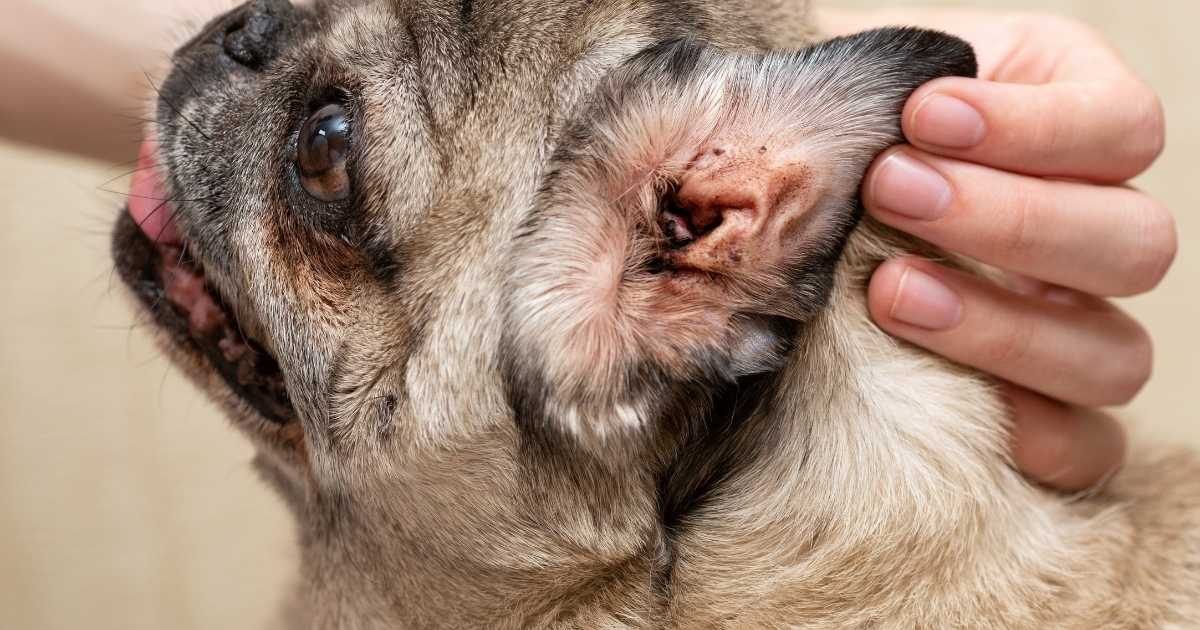
Head shaking, a pawed ear, and a yeasty smell usually mean your dog needs more than a home remedy. When I see that picture, I often consider Mometamax for dogs, a prescription ear medication that targets bacteria and yeast at once. Here is what it does, who should skip it, and what to expect.
Ingredients in Mometamax
Each gram holds three active ingredients: gentamicin, an antibiotic; mometasone, a steroid that calms inflammation; and clotrimazole, an antifungal. Merck Animal Health labels it for otitis externa caused by susceptible bacteria and Malassezia yeast. Triple action in one bottle explains why vets reach for it so often.
Gentamicin fights many bacteria, including Pseudomonas, a common cause of stubborn infections. Clotrimazole covers the yeast. Mometasone lowers swelling and itch so the ear can heal and your dog stops scratching.
Signs of an Ear Infection
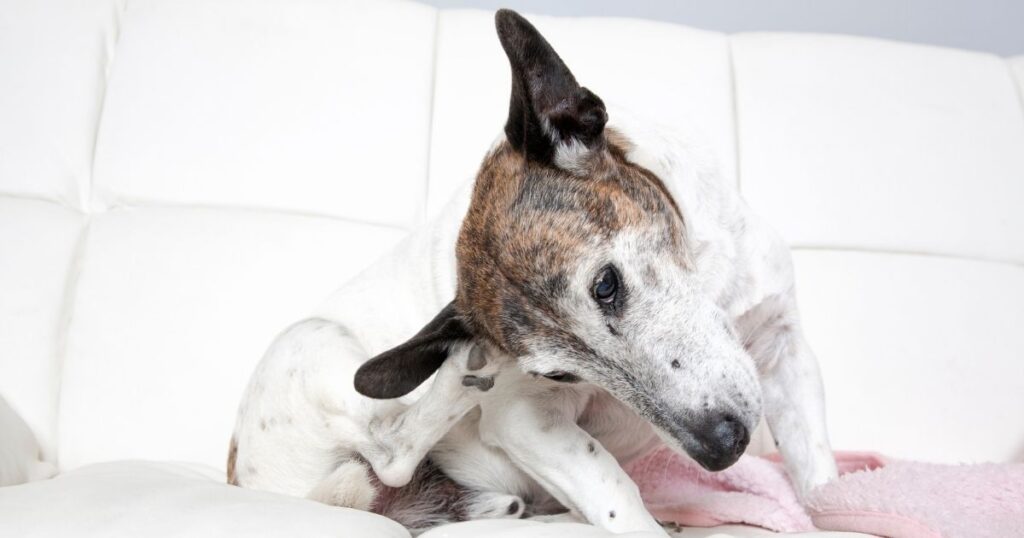
- Head shaking or ear scratching
- Brown, yellow, or bloody discharge
- Strong yeasty or foul odor
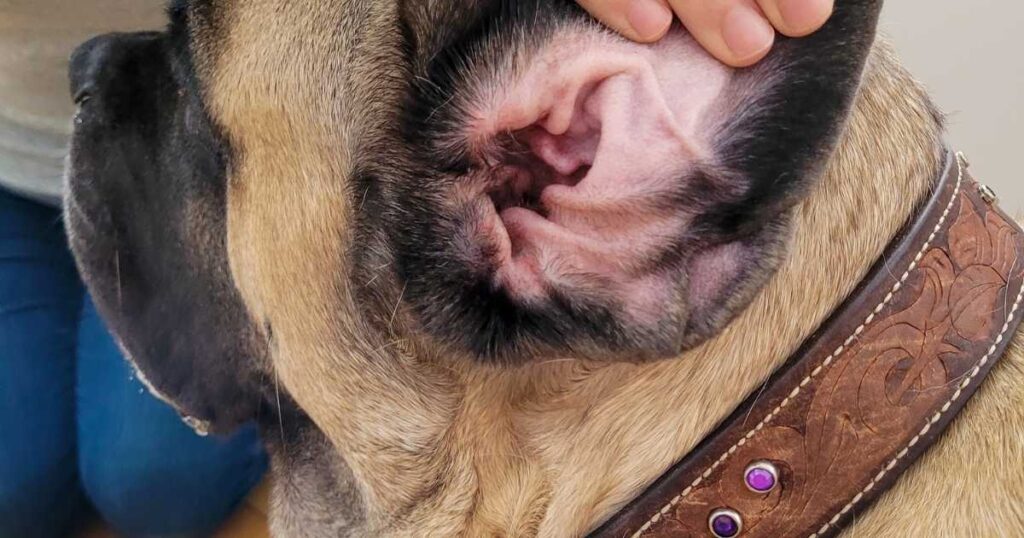
- Red, swollen, or painful ear canal
- Head tilt or loss of balance
Any of these signs deserve a prompt exam. Ear canals in dogs bend like an L, so infections hide deep and spread fast.
When Vets Prescribe It
Vets use it for a dog ear infection confirmed by an exam and ear cytology, a quick microscope check of ear debris. Signs include redness, discharge, odor, scratching, and head shaking. Not every itchy ear is infected, since mites and allergies can look similar.
How Vets Confirm the Diagnosis
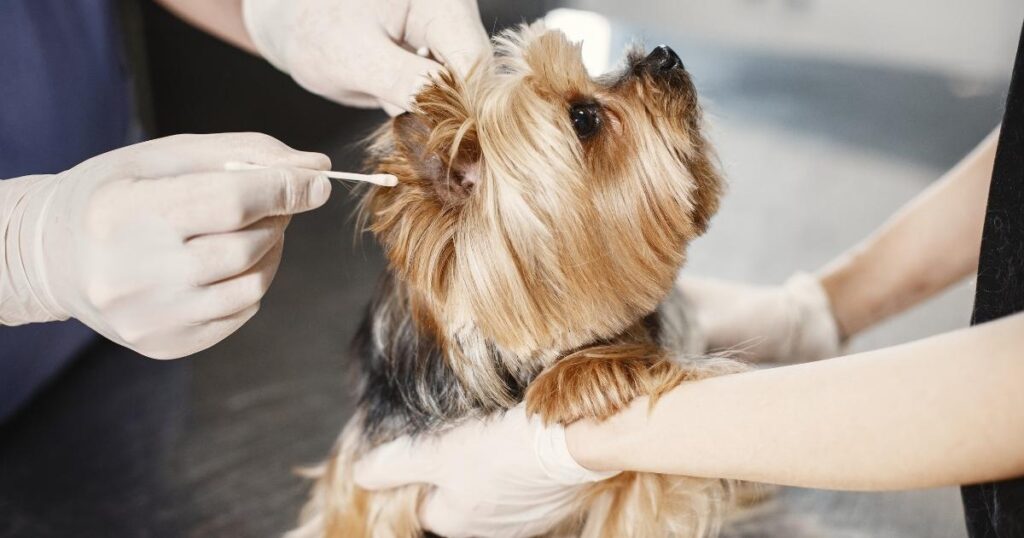
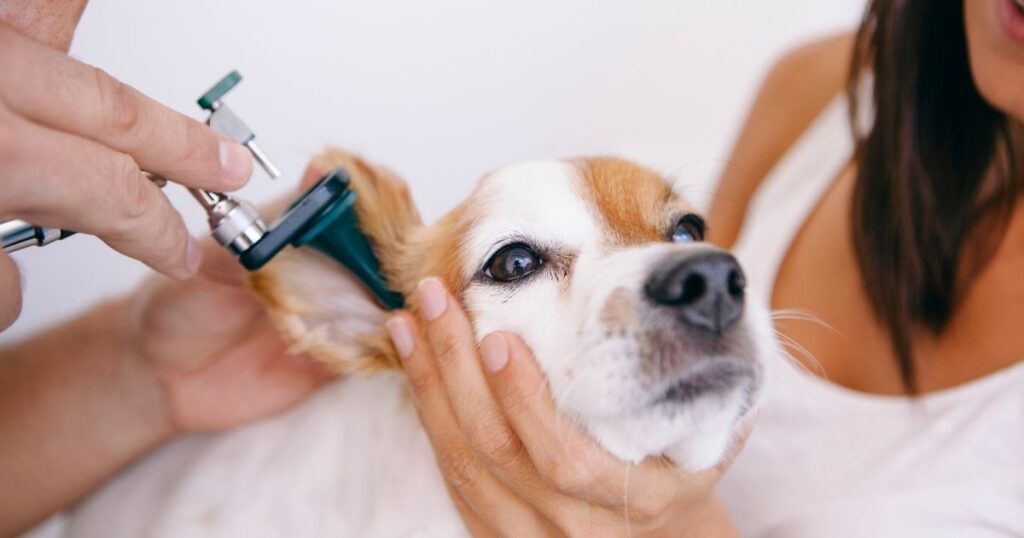
Your vet looks into the canal with an otoscope, checks the drum, and swabs debris for cytology. Slides show whether yeast, bacteria, or both are present. Stubborn cases may need a culture to pick the right drug.
Who Should Not Use Mometamax
Never use it with a ruptured eardrum. Label directions warn against use in dogs with a known tympanic perforation, because gentamicin can harm hearing and balance structures in the inner ear. Only an otoscope exam by your vet can tell whether the drum is intact.
Stop and call your vet if your dog develops swelling, hives, or other signs of allergy to an ingredient. Tell your vet about every ear product already used at home, including cleaners and old leftover drops.
Mometamax dosage for dogs: how many drops
Label directions from Merck Animal Health call for one dose per ear, once a day, for seven days. The number of drops depends on weight.
| Dog weight | Drops per ear | How often | Course length |
|---|---|---|---|
| Under 30 lb | 4 drops | Once daily | 7 days |
| 30 lb or more | 8 drops | Once daily | 7 days |
Your vet may adjust the plan for an individual dog, so the written directions on your bottle come first. Drops go into the affected ear only, unless your vet says both ears need treatment.
How It Is Used
Your vet explains how much to apply and for how long, so follow that plan exactly. Many vets start with a gentle ear cleaning, then place the medication deep in the canal and massage the base of the ear. Wash your hands afterward.
Do not stop early because ears look better. Infections return when courses end too soon, and relapses are harder to treat than first episodes.
Results and Possible Side Effects
Many dogs show less odor and scratching within a few days. Report head tilt, loss of balance, hearing changes, or worsening redness at once. Because a steroid is included, long or repeated use deserves vet supervision.
Book a recheck once treatment ends. Your vet may repeat cytology to confirm that yeast and bacteria are gone. Skipped rechecks are how chronic ear disease sneaks in.
Is Long-Term Use Safe?
Label guidance describes a short course for acute infections. Repeated courses can thin the skin or hide underlying disease, so recurring cases need a workup rather than another bottle.
Why Ear Infections Keep Coming Back
Recurrent infections usually trace back to allergies, moisture, or ear shape. Water exposure, hair in the canal, and growths in older dogs also play a role. Ear-only treatment misses the cause. Food and environmental allergies are especially common in dogs that relapse, so read our guide to the best dog food for allergies.
Breeds with heavy skin folds can struggle too. Our English bulldog skin allergies guide shows how layered care works.
Medication Safety at Home
Keep the bottle tip clean and never let it touch the ear. Store it as the label directs, away from children and other pets. Wipe away excess from the ear flap, and discourage your dog from rubbing it onto furniture.
Cost and Alternatives
Prices vary by pharmacy and bottle size. Your vet may suggest other combination ear drops or medicated cleaners if your dog reacts or the infection resists treatment. Never swap products without checking first.
Mometamax vs Home Remedies
Vinegar rinses, oils, and leftover drops can burn inflamed skin or hide a damaged drum. Skip the DIY experiments and book an exam. Proper diagnosis protects hearing and saves money in the long run.
Questions to Ask Your Vet
Take these questions to your next appointment so nothing important gets missed during the busy exam.
- Is the eardrum intact?
- How long should treatment last?
- When should we recheck the ear?
- Could allergies be driving the infection?
Ear Care Habits That Help
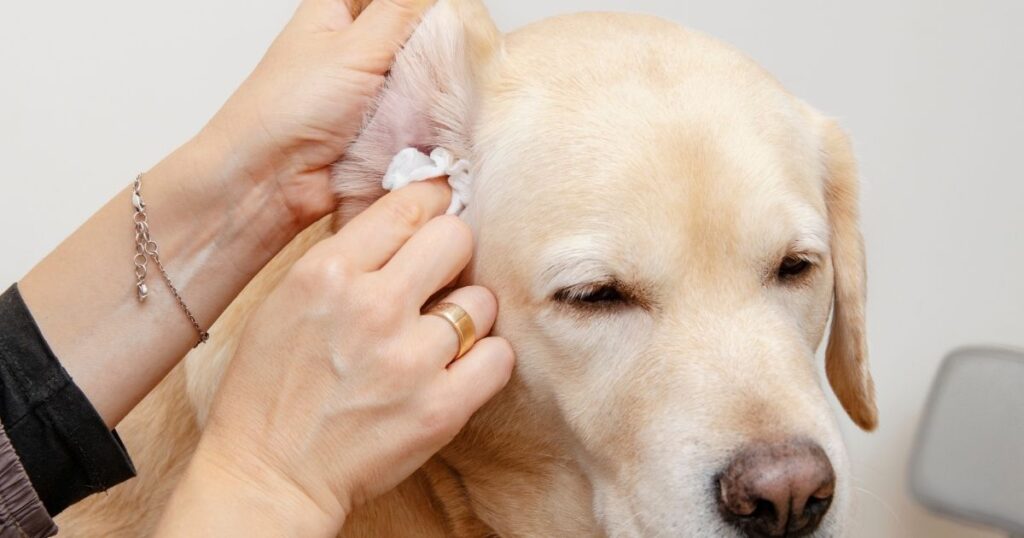
Gentle habits cost little. Pat ears dry after baths, trim hair at the opening if your groomer advises, and avoid cotton swabs that push debris deeper.
- Dry ears after baths and swims
- Clean only with a vet-approved cleaner
- Check ears weekly for odor or redness
- Keep up with allergy and flea control
FAQs About Mometamax
How many drops of Mometamax go in a dog’s ear?
Label directions call for 4 drops for dogs under 30 lb and 8 drops for dogs of 30 lb or more, once daily for 7 days. Your vet’s written plan always comes first.
What does Mometamax treat in dogs?
Ear infections caused by susceptible bacteria and Malassezia yeast, once your vet has confirmed the cause with an exam.
How fast does Mometamax work?
Dogs often feel better within a few days, yet the full course still matters. Early stops let bacteria and yeast rebound.
Where can I get Mometamax for my dog?
Your vet prescribes it after examining the ear. Many online pharmacies fill it with a valid prescription.
Which pets can use Mometamax?
It is labeled for dogs. Do not use it in cats or other pets unless your vet specifically directs it.
How should I react if my dog’s ear gets worse?
Call your vet within a day, since a bad turn may signal resistant bacteria, a damaged drum, or an allergy to an ingredient.
Final Thoughts
Matched to the right diagnosis, Mometamax for dogs works well. Book an ear exam before you buy anything, and follow your vet’s directions to the last day, even when ears look perfect by week’s end. For more guidance, browse our pet health guide.
Sources
Sources and Further Reading
Related Posts

Previous Post
Next Post