Now Reading: Purina Probiotic: Vet Guide to FortiFlora and More
- 01
Purina Probiotic: Vet Guide to FortiFlora and More


Certified veterinarian. Last reviewed and updated: November 10, 2026. See our editorial and veterinary review policy.
Gassy bellies and sudden bouts of loose stool can leave you scanning the pet aisle. Purina probiotic products come up often in vet clinics, so owners ask whether they are worth it. Here is what they contain, where they help, and where they do not.

How Probiotics Help Pets
Probiotics are live microbes that support the balance of gut bacteria. Stable microbiome communities help digestion, stool quality, and part of the immune response. Stress, antibiotics, and sudden diet changes can upset that balance.
Prebiotics are fibers that feed good bacteria, while probiotics supply the bacteria themselves. Many vet diets combine both, which is why food matters as much as any supplement.
Live-Culture Products From Purina
Several items sit in the Pro Plan Veterinary Supplements line. Each targets a slightly different problem.
Canine Formula
FortiFlora uses Enterococcus faecium SF68, a microencapsulated strain built to reach the intestine alive. Vets often suggest it during diet changes, after antibiotics, or when stool turns soft. It comes as single-serve powder sachets that go over food.
Feline Formula
Cats get the same strain in a flavor many accept. Picky eaters may refuse powder, so ask your vet about mixing it into a small amount of wet food.
Stress Support Formula
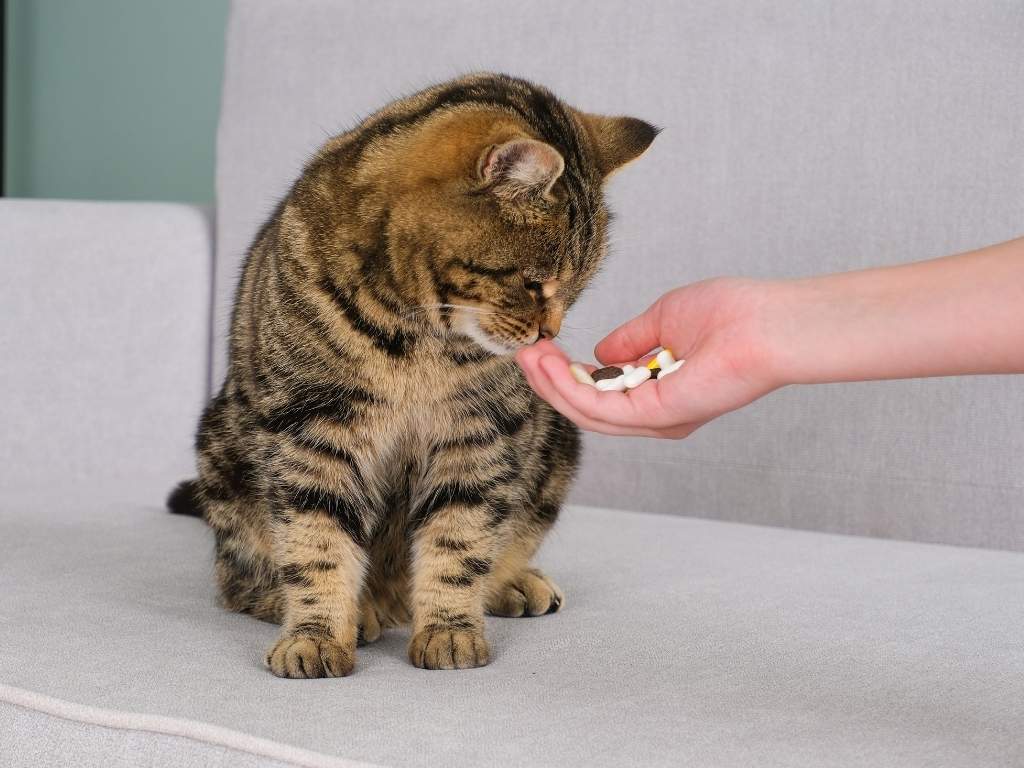
Pro Plan Calming Care uses a different probiotic, Bifidobacterium longum BL999, to support calm behavior during stress such as travel or a new home. It targets nerves more than stool, and results vary by pet.
How Well Do They Work?
Small studies of SF68 in shelter dogs and cats reported fewer days of diarrhea, but larger independent trials remain limited. Think of a Purina probiotic as support, not treatment. It will not fix parasites, infections, or food allergy.
When Probiotics Help Most
- After antibiotic treatment
- Diet switches and food changes
- Shelter, boarding, or travel stress
- Mild, short-lived soft stool
Antibiotics can wipe out helpful bacteria along with harmful ones. Ask your vet how to time a probiotic with the antibiotic course.
How to Give It
Follow the label or your vet’s directions. Sprinkle the powder over a small portion of food, stir, and make sure your pet eats it all. Avoid hot food, which can damage live cultures, and store sachets away from heat and moisture.
Consistency beats perfection, so aim for the same time each day. Offer fresh water nearby.
Signs It Is Working
- Firmer, better-formed stools
- Less gas and gurgling
- Steady appetite
- Normal energy
Track stool on a simple scale for a week and snap photos for your vet. Patterns say more than single days.
Safety First
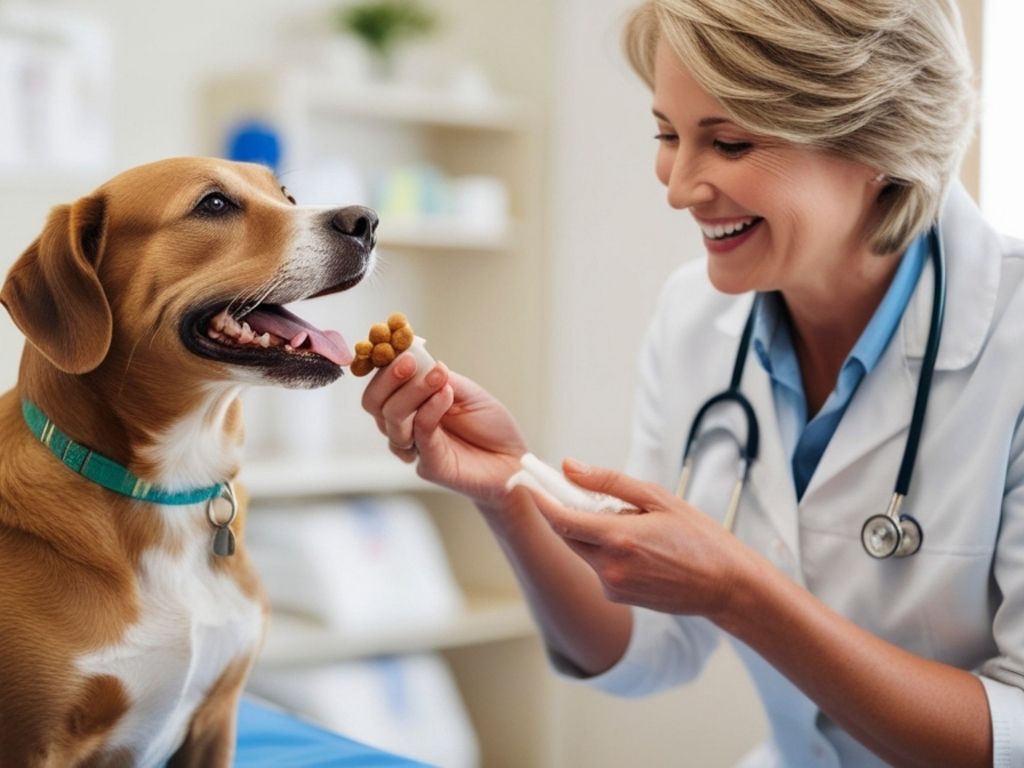
Most healthy pets tolerate probiotics well, though mild gas can appear at the start. Formulas use animal-derived ingredients such as poultry or pork, so check labels if your pet has food allergies. Pregnant, immunocompromised, or very sick pets need vet approval first.
Report vomiting, itching, or swelling after the first dose right away, and keep sachets out of reach of curious pets.
When to Call a Vet Instead
- Diarrhea lasting beyond a day or two
- Blood or black stool
- Fever, vomiting, or lethargy
- Soft, runny stool in a puppy or kitten
Young pets dehydrate quickly. Probiotics do not replace fluids, diagnostics, or deworming.
How to Choose a Pet Probiotic
- Named strain, not just the word probiotic
- CFU guarantee through the end of shelf life
- Species-specific formula for dogs or cats
- Manufacturer quality control and vet backing
Human probiotics are not designed for pets, and some contain xylitol, which is toxic to dogs. Always read the label before sharing a household product.
Food-Based Gut Support
Probiotics work best alongside steady food. Choose a complete diet, avoid table scraps, and add fiber only on your vet’s advice. Our dog upset stomach remedy guide covers safe home care, and the best cat supplements page lists feline options.
Many owners also ask about yeast-based add-ons, so compare them in our brewers yeast for dogs article.
Seniors and Sensitive Pets
Older pets and those with chronic gut disease may need long-term support. Bloodwork, fecal tests, and diet trials come first, and a supplement fits afterward. Never use a probiotic to cover up weight loss or poor appetite.
Common Mistakes to Avoid
- Good days mistaken for a cure
- Several gut products given at once
- Probiotics used instead of a diagnosis
- Powders stirred into hot food
Gut problems deserve a plan, not guesswork. Keep notes on food, stool, and any medication changes.
Questions for Your Vet
- Does a probiotic fit my pet’s problem?
- How long should we try it?
- Which ingredients could trigger my pet’s allergy?
- Which stool changes should worry me?
Cost and Value
Sachets cost more than basic fiber supplements, but many owners find them convenient. Ask whether a diet change or targeted treatment could solve the problem more cheaply.
Informational Note for Pet Parents
Educational only, this article does not replace an exam. Follow your vet’s directions for any supplement, and report side effects promptly.
Final Thoughts
Used wisely, this supplement can steady a sensitive gut. Pair it with a good diet, watch stool quality, and book a vet visit if symptoms persist. If the first product does not help within the timeframe your vet gives, do not keep switching brands. Rethink the diagnosis instead.
FAQs About Pet Probiotics
They support digestive balance, stool quality, and gut health in dogs and cats, especially during diet changes or after antibiotics.
Some pets improve within a few days, though your vet may recommend longer use. Call your vet if stool stays loose beyond that.
Pro Plan Calming Care targets stress-related behavior with a different strain. Ask your vet whether it fits your pet’s needs.
FortiFlora has species-specific versions. Use the one labeled for your pet, since flavors and guidance differ.
Keep them in a cool, dry place and follow the label. Heat and moisture reduce live culture counts.
Related Posts

Previous Post
Next Post