Now Reading: Dog Mask Guide: Do Dogs Really Need One & Which Type Is Right for Yours?
- 01
Dog Mask Guide: Do Dogs Really Need One & Which Type Is Right for Yours?
Dog Mask Guide: Do Dogs Really Need One & Which Type Is Right for Yours?

Dog Mask Guide: The One Conversation Every US Pet Parent Needs Right Now
Let’s talk honestly for a second.
If you’ve typed dog mask into Google, you’re probably not looking for something “cute” — you’re looking for peace of mind.
Maybe wildfire smoke is getting bad.
Or you live near heavy traffic.
Maybe your dog sneezes every time you take them outside.
Or maybe you’re just trying to understand all those viral videos of a dog with “the mask dog” or a dog with a daredevil mask.
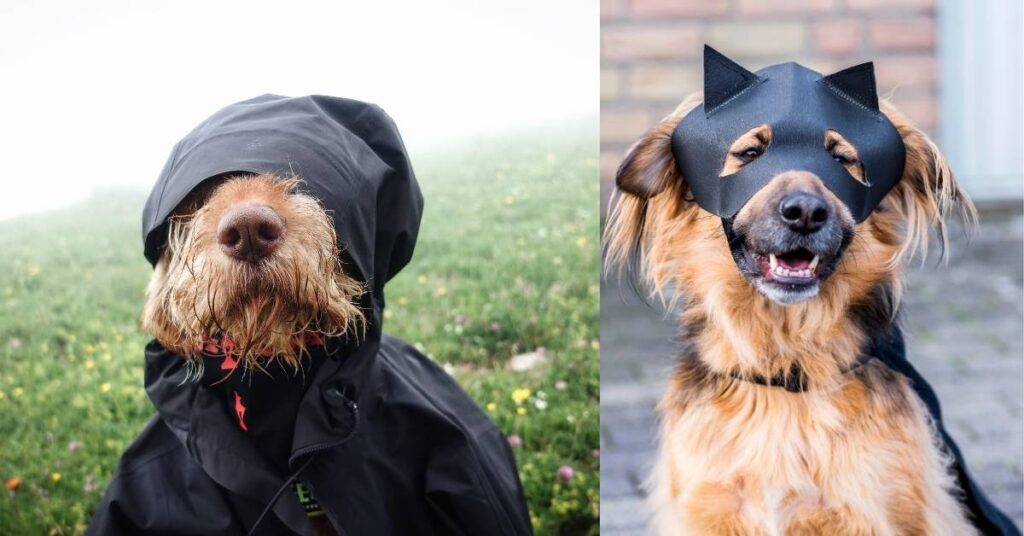
Whatever brought you here, sit with me for a minute.
Let’s clear the confusion, the myths, and the hype
and talk about what a dog mask really is, which ones actually help, and whether your dog even needs one.
I promise I’ll keep this simple, honest, and helpful.
Ready? Let’s break it down.
Must Read: Gay Dog Mask: What It Really Means in Modern LGBTQ+ Culture
What Is a Dog Mask—And Why Are People Suddenly Searching for It?
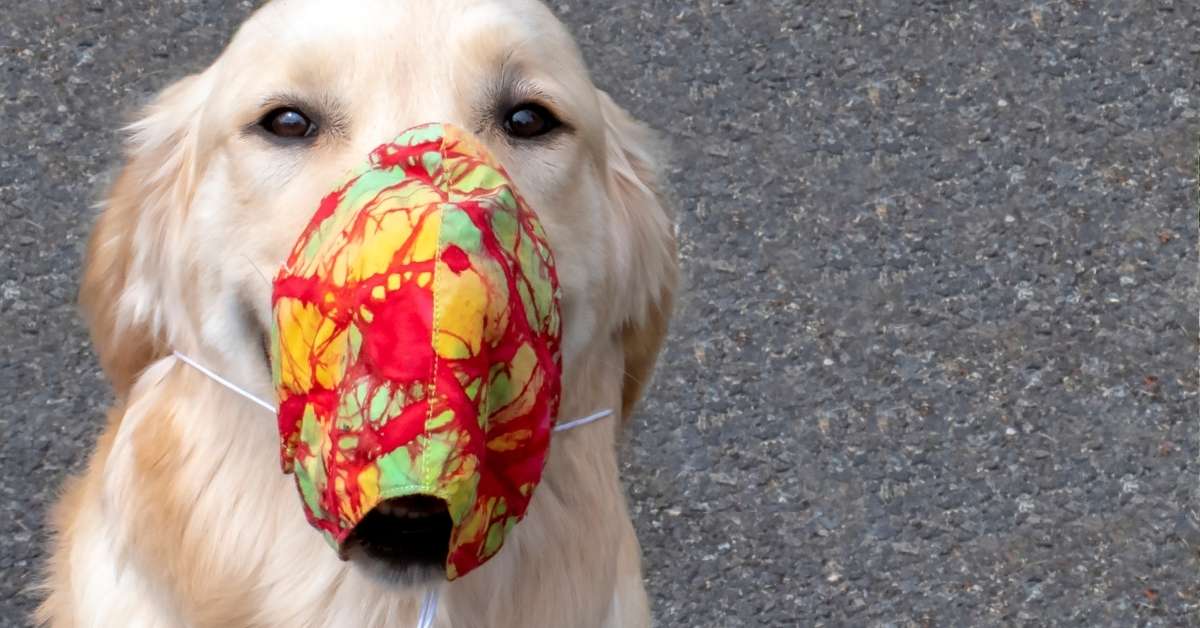
A dog mask is exactly what it sounds like: a protective covering designed for dogs to breathe cleaner air or block environmental irritants.
And no — this isn’t about Halloween. (Though yes, “the mask dog,” “the masked dog,” and ski mask dog went crazy on TikTok for a reason.)
But here’s the real reason Americans are searching for masks:
- Wildfire seasons are getting worse
- Air pollution is rising in several US cities
- Some dogs have allergies stronger than humans
- Social media trends confuse real needs
- Some pet parents think it works like a human N95
So let’s straighten it out:
Dogs breathe differently, cool themselves differently, and have different respiratory vulnerabilities. They can use a mask — but only the right type.
Also Read: Bag of Dog Poop: The Funny, Gross, and Smart Truth
Types of Dog Masks: What’s Real, What’s Trend, What’s Useful
Here’s the simple breakdown you wish someone gave you earlier:
1️⃣ Air-Filtration Dog Mask (Actual protective use)
This is the type people look for during wildfires or heavy pollution.
It works similarly to a dog N95 but designed for the canine face shape so it doesn’t restrict panting.
Good for:
✔ smoke
✔ dust
✔ pollution
✔ allergens
Not good for:
✘ long outdoor runs
✘ dogs with breathing issues
✘ hot weather
This is the most functional category when US-based pet parents talk about a mask for dogs.

2️⃣ Dog Gas Mask
Yes, it exists — but mostly for military K9s and disaster responders.
Not needed by regular pet owners unless you live somewhere with extreme environmental hazards, and even then, veterinarians rarely recommend them.
3️⃣ Pollution Mask for Dogs
This overlaps with air-filtration masks but focuses specifically on PM2.5 particles.
Great for dogs in big cities or dogs with chronic allergies.
4️⃣ Ski Mask Dog / Costume Masks
This includes:
- “the masked dog”
- “the mask dog”
- dog with daredevil mask
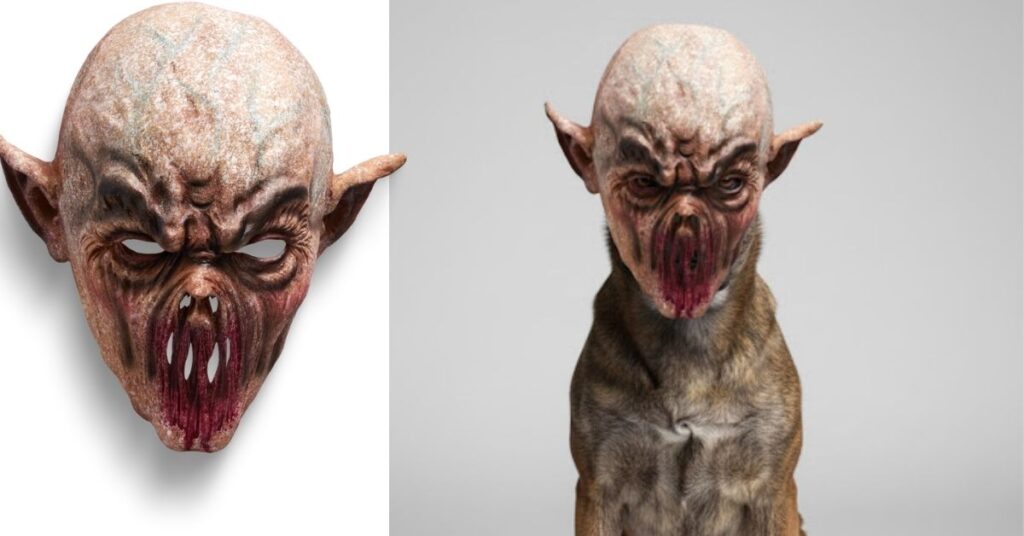
These are cute, funny, and totally harmless as long as breathing remains clear.
But they provide zero respiratory protection — they’re purely visual.
5️⃣ Training or Behavior Masks (Not recommended)
Anything that restricts panting or airflow should be avoided.
Dogs cool themselves with their tongues — not their skin.
A wrong mask can overheat your dog within minutes.
🐕💨 Does Your Dog Actually Need a Dog Mask?
Here’s where honesty matters.
A dog mask is helpful if:
- You live in a wildfire zone
- Your area has heavy smog or pollution
- Your dog has tested airborne allergies
- Your vet specifically recommended filtered air
A dog mask is NOT needed if:
- You want it just for everyday walks
- The weather is warm
- Your dog has a short nose (brachycephalic: pug, bulldog)
- You only want it for style
- Your dog has heart or breathing conditions
Always follow this rule:
If your dog can’t pant freely, the mask isn’t safe.
How to Choose the Right Dog Mask (Simple 3-Step Method)
✔ Step 1: Match your dog’s need
Safety? Air-filtration mask
Pollution? Pollution mask for dogs
Just for fun? Costume mask
Extreme threat? Dog gas mask (rarely needed)
✔ Step 2: Fit matters more than filter
Your dog must:
- open mouth
- pant
- breathe freely
- not form condensation inside
✔ Step 3: Check the material
Go for:
✓ breathable mesh
✓ soft adjustable straps
✓ veterinary-approved filters
Avoid:
✘ rubber
✘ thick plastics
✘ anything tight around the snout
The #1 Mistake US Pet Parents Make With Dog Masks
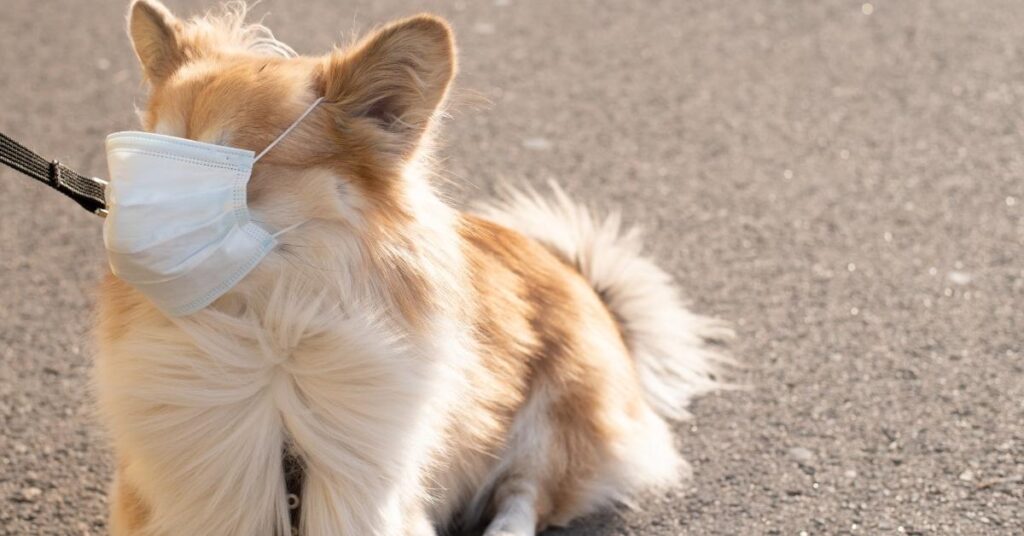
They choose a human N95 and try to put it on their dog.
It doesn’t fit.
It restricts breathing.
And it becomes a danger, not a solution.
Dog faces are shaped differently — every inch matters.
If Your Dog Has Conditions, Ask Your Vet First
Especially if your dog has:
- asthma
- collapsing trachea
- heart disease
- anxiety
- brachycephalic syndrome
A mask can help — but sometimes it can make things worse.
When in doubt? Vet first, mask second.
Final Thoughts: Does Your Dog Need a Dog Mask?
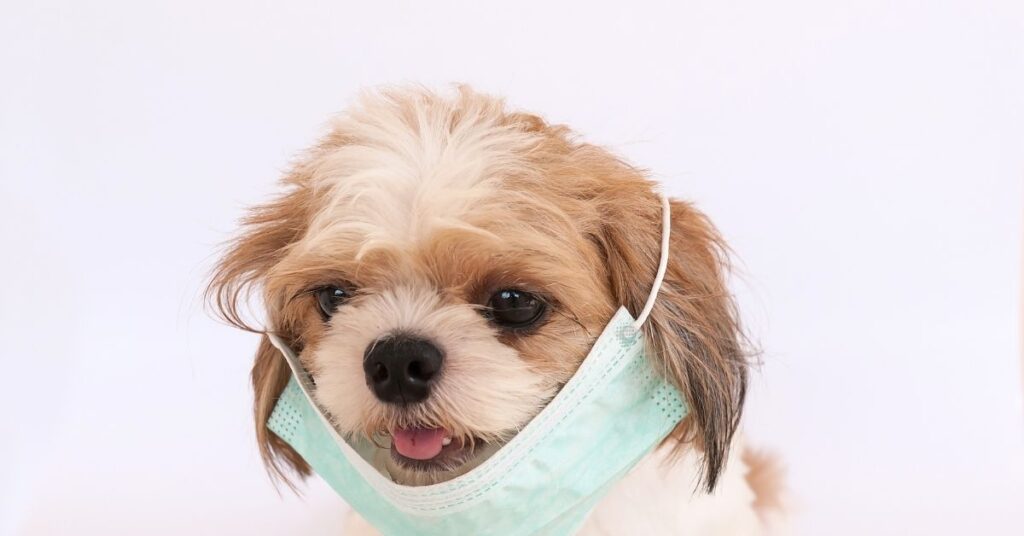
Here’s my honest take:
A dog mask is not something every dog needs — but it can be a smart tool in the right situations.
If you live in the US where wildfire smoke, pollution, or seasonal allergens can get intense, having one on hand is just smart pet parenting.
And if you just want your pup to look like “the mask dog” or try a fun ski mask dog moment — that’s fine too.
Just make sure their breathing stays clear.
Your dog depends on you.
And now, you have the info to make the right choice
Have Fun Reading: My Dog Ate Chocolate But Is Acting Fine: What’s Next?
.
FAQs
No. Human masks restrict panting and airflow. Dogs need specially designed masks that don’t block cooling.
Yes — an air-filtration dog mask is useful during heavy smoke days, but limit outdoor time regardless.
Yes, but they’re primarily for military and rescue K9s — not household pets.
Only for short trips outdoors. Continuous wear can cause overheating.
Related Posts
Previous Post
Next Post