
Now Reading: Dexamethasone for Cats: The Honest, Vet-Style Guide Every Cat Parent Needs
- 01
Dexamethasone for Cats: The Honest, Vet-Style Guide Every Cat Parent Needs
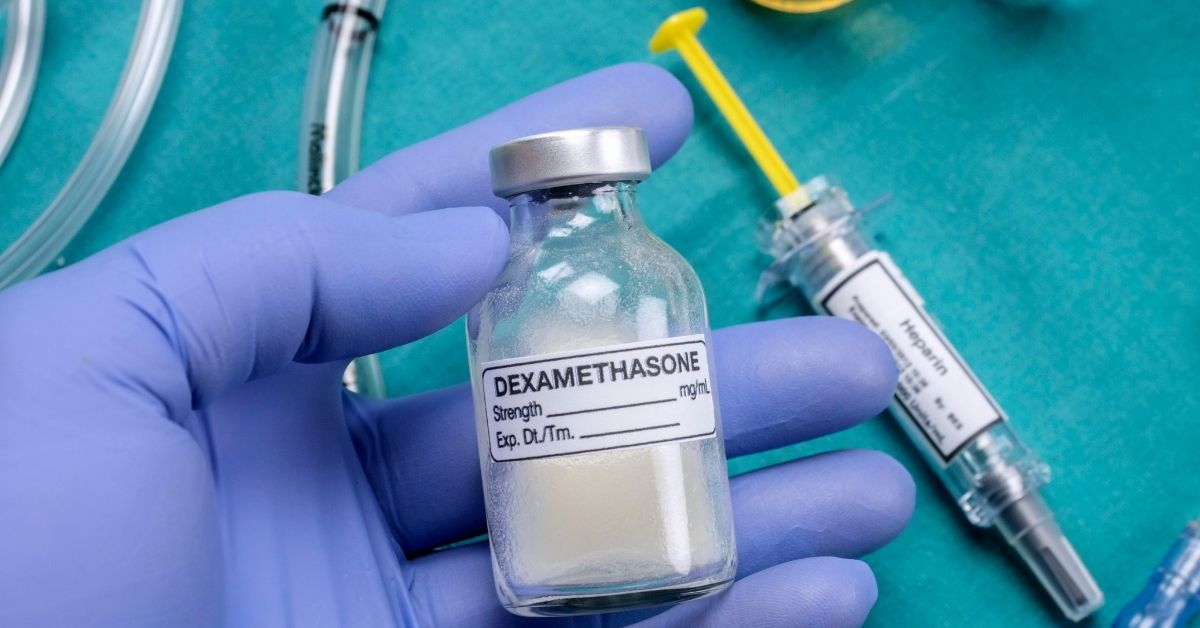
Dexamethasone for Cats: The Honest, Vet-Style Guide Every Cat Parent Needs

Let’s Sit Down and Talk About the Steroid Everyone’s Curious About
Okay, cat parent… pull up a chair.
You see the prescription, your vet says it’s needed, but your brain goes:
“Wait… dexamethasone for cats? Is that safe? How does it even work?”
And that’s exactly why we’re talking today—just you and me—so you walk away confident, not confused.
Dexamethasone is a strong corticosteroid. Powerful? Yes. Dangerous? Not when used correctly.
But because it is strong, you absolutely deserve a clear, simple, honest breakdown.
Let’s jump in.
What Exactly Is Dexamethasone for Cats?
Think of dexamethasone as a super-charged anti-inflammatory steroid.
When your cat is struggling with severe swelling, itching, allergies, immune issues, or shock-related emergencies—dexamethasone for cats steps in fast.
It’s stronger than many steroids and lasts longer in the body, which is why vets use it for:
- Intense allergic reactions
- Autoimmune flare-ups
- Serious inflammation
- Shock or trauma situations
- Certain cancers
If your cat has ever had a scary allergic episode, you know relief can’t come fast enough. That’s where dexamethasone for cats earns its spotlight.
How It Works (In Cat-Parent Language)
Your cat’s body basically overreacts sometimes—especially with allergies or immune problems.
Dexamethasone slows that overreaction down like a “calm down, buddy” message to the immune system.
That’s why dexamethasone for cats is in the emergency toolbox of almost every vet clinic.
Dexamethasone for Cats Dosage — Read This Before Anything Else
Before we talk numbers:
👉 Never adjust your cat’s steroid dose yourself. EVER.
Steroids are NOT like antibiotics. They affect hormones, immunity, and long-term health.
That said, cat parents want at least an idea of how dosage works—totally fair.
Vet-determined dosing is based on:
- Condition being treated
- Severity
- Cat’s weight
- Overall health
- Other meds
The dosage of dexamethasone for cats typically falls between micro-doses for inflammation and higher doses for emergency cases.
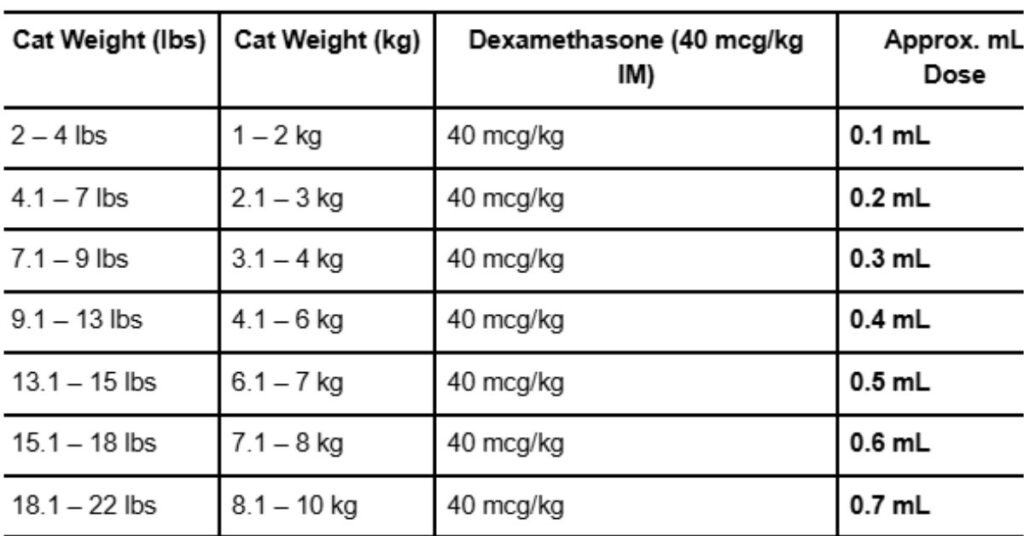
Your vet may show you a dexamethasone for cats dosage chart, which outlines mg/kg amounts, but again — it’s individualized, not one-size-fits-all.
Steroids = precision.
Forms You Might See
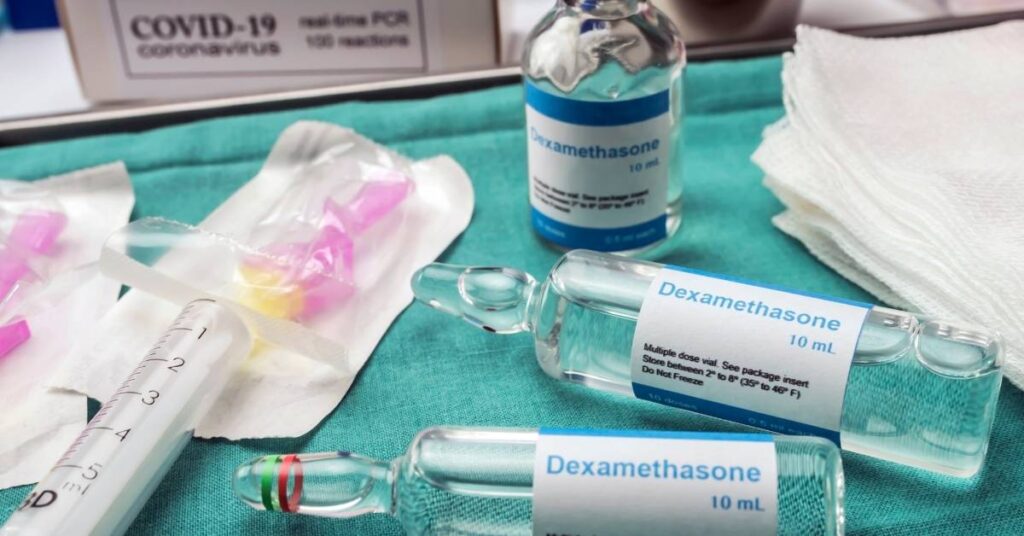
💉 Dexamethasone injection for cats
Used for emergencies or when fast action is needed.
💊 Oral tablets
Used for conditions needing controlled dosing over days or weeks.
💦 Liquid suspension
Helpful for small cats or picky eaters.
No matter the form, dexamethasone for cats has to be tapered down if used long-term. Stopping suddenly can cause adrenal issues.
How Long Before Dexamethasone Works in Cats?
Honestly? Sometimes within hours.
That’s why vets rely on it.
If your cat is swollen, itching, or in a full-blown allergic response, dexamethasone for cats can feel like magic.
Possible Side Effects (Let’s Be Real About It)
Steroids always come with a “watch list.”
With short-term use, side effects are usually minimal.
With longer courses, you might see:
- Increased thirst
- Increased urination
- More appetite
- Panting
- Mood changes
- Lower immunity
Rare but serious with long-term use:
- Diabetes
- Cushing’s disease
- Stomach ulcers
- Liver stress
This is why dexamethasone for cats must be monitored closely under a vet.
Must Read: Smart Hacks: How to get cat pee smell out of clothes
What About Other Animals? Because Pet Parents Love to Explore Everything
You might’ve seen it used beyond cats:
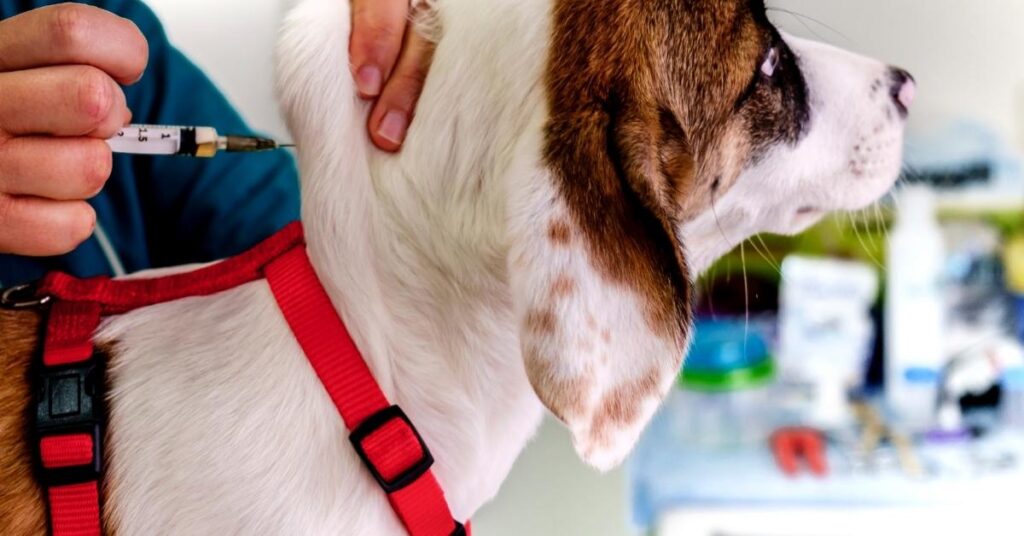
- Dexamethasone for dogs – Yes, commonly used for inflammation and allergic responses.
- Dex for dogs – Same medication, just a nickname.
- Dexamethasone veterinary dosage cattle – Used in farm animals for inflammation or calving issues.
- Dexamethasone for horses – Widely used for allergies and immune disorders.

BUT—and this matters—dosage varies wildly between species.
Never cross-use meds without a vet.
Is Dexamethasone Safe for Long-Term Use?
Short term: usually safe.
Long term: requires close monitoring and slow tapering.
Some cats with chronic autoimmune diseases do stay on low-dose steroids long-term, but that’s a vet-supervised plan.
When You Should Call Your Vet ASAP
If your cat shows:
- Vomiting
- Diarrhea
- Extreme thirst
- Weakness
- Heavy panting
- Sudden behavior changes
Or if you accidentally gave an extra dose (it happens — don’t panic, just call).
Final Thoughts — Should You Feel Scared or Confident?
Honestly?
Confident — as long as you’re following your vet’s guidance.
Dexamethasone for cats isn’t a casual medication, but it is a life-saver when used correctly.
Treat it with respect, stay in touch with your vet, and your kitty will get the relief they need safely.
And if you’re here because your cat is dealing with inflammation, allergies, or immune issues — you’re already doing the right thing by learning.
You’re a good cat parent.
Your kitty is lucky.
FAQs
Yes, when prescribed by a vet. Dexamethasone for cats becomes risky only with overuse or unsupervised dosing.
Most cats show improvement within hours, especially in allergic reactions.
No. Steroid dosing must be tailored. Never reuse old meds.
Not unless your vet allows it. Steroids need slow tapering to avoid adrenal issues.
Related Posts

Previous Post
Next Post