Now Reading: Ataxia in Horses: The Balance Problem Every Owner Must Spot Early
- 01
Ataxia in Horses: The Balance Problem Every Owner Must Spot Early

Let’s Talk About the Moment Your Horse Doesn’t Move Like Your Horse
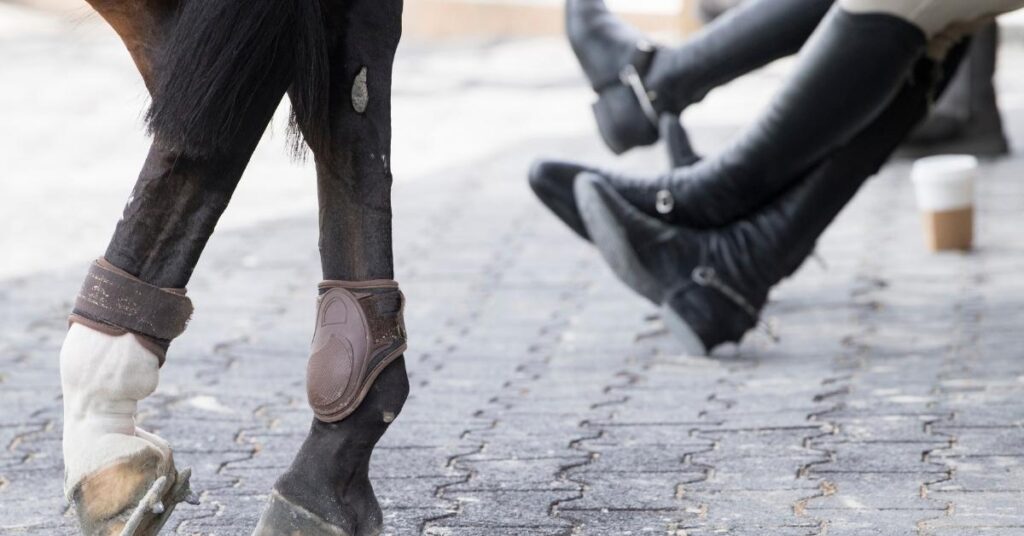
If you’ve ever watched your horse take a step and thought, “Something feels off… why does he look uncoordinated?” — you’re not alone.
Every horse owner has that moment where instinct kicks in before diagnosis does.
That uneasy wobble…
the hesitation during a turn…
the strange hind-end sway…
These are often the first quiet signs of ataxia in horses, and the earlier you understand them, the better chance your horse has at a safer recovery.
So, let’s sit down, owner to owner, and walk through the signs, causes, and what real-life cases look like — in the clearest way possible.
Also Read: How to Involve Kids in a Pet Memorial Service
What Is Ataxia in Horses? (Explained Simply)
At its core, ataxia in horses means your horse has lost normal coordination or balance.
It’s not a disease by itself — it’s a symptom of something affecting the nervous system.
Think of it like this:
Your horse wants to move the right way…
but the message between the brain, spine, and legs gets scrambled.
This leads to:
- stumbling
- dragging hooves
- swaying
- late limb placement
- trouble backing up
If you’ve ever searched “What is ataxia in horses,” you already know how overwhelming the explanations can get.
Let me break it down in a way that makes sense in real life.
The Three Main Types of Ataxia in Horses
Understanding the origin helps you understand the behavior.
Proprioceptive Ataxia: “My legs don’t feel where they are.”
Caused by spinal cord compression or trauma.
Cerebellar Ataxia: “I know where my legs are, but I can’t control them.”
Often genetic, especially in young horses.
Vestibular Ataxia: “My world is spinning, and I can’t find my balance.”
Linked to inner-ear or brainstem issues.
No matter the type, all three create the same visible confusion in movement — the signature sign of ataxia in horses.
Equine Ataxia: When the Nervous System Sends Mixed Signals
Equine ataxia happens when the brain and spine can’t communicate smoothly with the legs.
Imagine someone turning down the volume on the nerves — the response becomes slow, sloppy, or delayed.
If your horse:
- misjudges where the ground is
- crosses hind legs unknowingly
- oversteps or understeps
- struggles to stand square
…these are red flags.
This is why ataxia in horses can’t be ignored, even in mild early stages.
Equine Juvenile Spinocerebellar Ataxia (EJSCA): When Young Horses Struggle Early
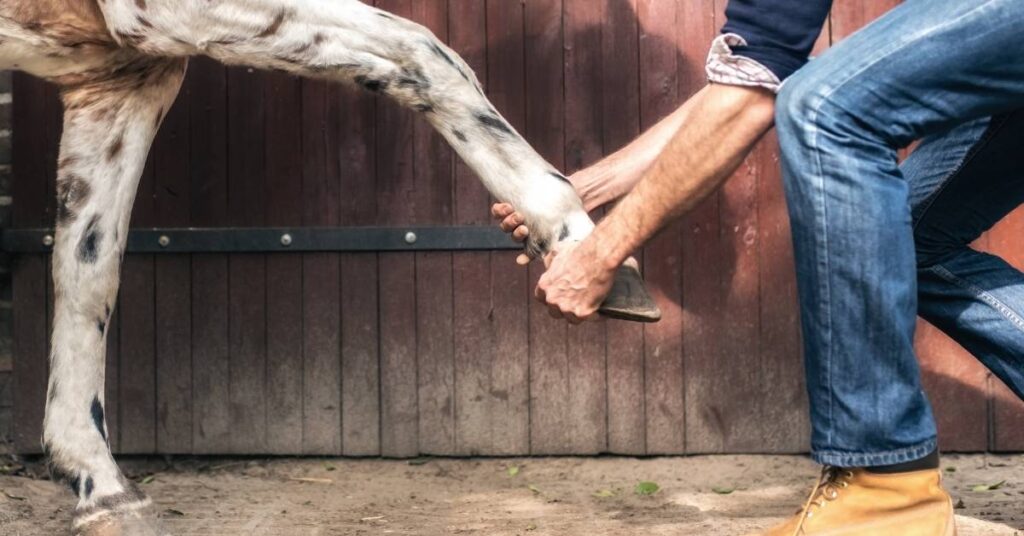
One specific hereditary condition, equine juvenile spinocerebellar ataxia, shows up in young foals and early juvenile horses (secondary keyword used once).
You may also see it written as EJSCA (secondary keyword used once).
These young horses often:
- stand with legs far apart
- sway when eating
- show exaggerated steps
- struggle to coordinate movements
It’s heartbreaking — because they want to move normally but physically can’t.
This condition is not related to injury or infection.
It’s genetic, and early recognition helps owners make informed long-term care decisions.
Also Read: Top 5 Easiest Pet Lizards to Own
What Ataxia in Horses Looks Like (Real-World Clues You’d See in a Video)
If you watched an ataxia in horses video, you’d notice:
- delayed hoof placement, especially in the hind
- swaying during tight turns
- stumbling on uneven ground
- an almost “drunken” gait in severe cases
These signs happen because the horse’s body isn’t moving in sync with the brain’s commands.
Early Signs Owners Often Miss
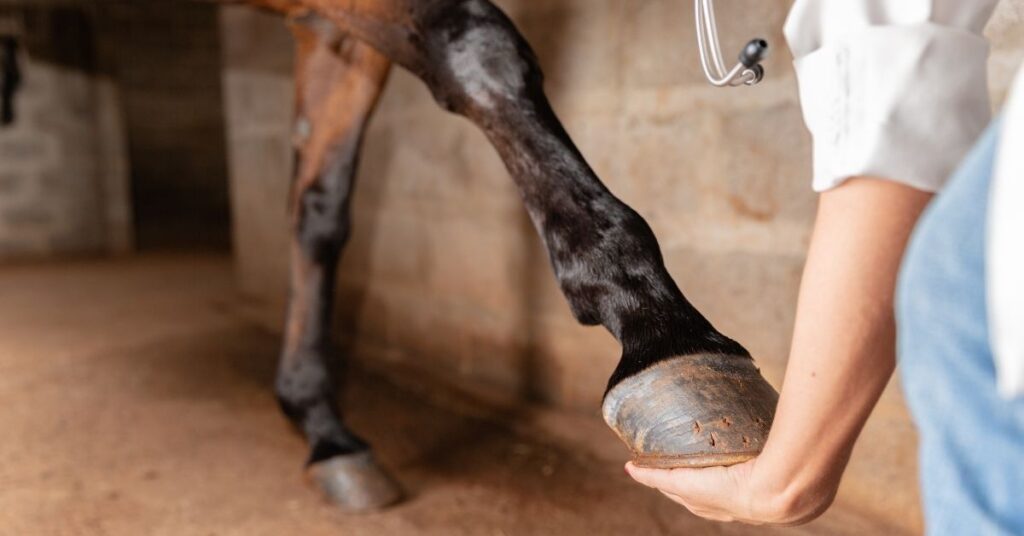
You know your horse better than anyone — but ataxia starts subtly.
Watch for:
✔ dragging toes
✔ scuff marks on the hind hooves
✔ missteps during tight circles
✔ unusual hesitation before transitions
✔ difficulty backing up straight
✔ inconsistent posture at rest
Most owners catch ataxia in horses when gait issues get obvious — but early detection gives you a better chance to stop progression.
What Causes Ataxia in Horses? (US Cases Commonly Seen)
Some causes are manageable; others require urgent vet care.
Common US-based causes include:
- EPM (Equine Protozoal Myeloencephalitis)
- Wobbler Syndrome
- Trauma to the spine
- Viral infections (EHV-1)
- Genetic disorders (like EJSCA)
- Cervical instability in growing horses
Every cause disrupts the nervous system — but the outward signs always circle back to ataxia in horses.
How Vets Diagnose Ataxia in Horses
Expect a combination of:
- neurological exam
- tail-pull test
- tight circle test
- backing test
- spinal imaging
- blood tests for infections
- CSF tap if needed
Vets look for delayed responses, weakness, and coordination problems while ruling out lameness.
Is There Treatment for Ataxia in Horses?
It depends on the cause.
🟢 EPM: antiparasitic treatment + vitamin E + rehab
🟢 Trauma: stall rest, anti-inflammatories
🟢 Wobbler Syndrome: surgery or conservative management
🟡 EJSCA: no cure, supportive care only
🟢 Viral causes: supportive treatment, immune support
The earlier you act, the better the outcome — especially when ataxia in horses comes from infection or inflammation.
Can Horses Recover From Ataxia?
Yes — but only if the underlying cause can be treated.
Many horses make measurable improvements through:
✔ physical therapy
✔ neck and topline strengthening
✔ neurological rehab
✔ anti-inflammatory treatment
✔ precise nutritional support
Progress can be slow, but not impossible.
Trust Your Eyes — They Catch Ataxia Before Any Test Does
When something feels “off,” you’re usually right.
Most owners notice tiny changes in posture or movement long before ataxia becomes severe.
Never second-guess your instinct.
Early action → better outcomes → safer recovery.
And remember:
You’re not looking for perfection…
You’re looking for patterns.
If anything about your horse’s gait feels wrong, treat it as a reason to examine ataxia in horses sooner rather than later. Stay tuned for more information.
FAQs
EPM (Equine Protozoal Myeloencephalitis) is the leading cause of neurological ataxia in American horses.
Some causes (like EPM) respond well to treatment. Genetic and structural causes may only be managed, not cured.
Watch your horse in tight circles, backing, and stepping over poles. Look for wobbling, delayed steps, or dragging toes.
Ataxia itself isn’t painful — but the underlying condition may be. Pain depends on the cause, not the symptom.

Previous Post
Next Post