Now Reading: Quick Guide: Giving Benadryl for Dogs’ Allergies
- 01
Quick Guide: Giving Benadryl for Dogs’ Allergies
Quick Guide: Giving Benadryl for Dogs’ Allergies

Hey pup parents! Wondering about Benadryl for dogs when allergic reactions strike? You’ve come to the right place! In this guide, I’ll walk you through everything—dosage, safety tips, and what to avoid—all in a friendly, chatty tone, just like we’re catching up over coffee. Let’s go!
What Is Benadryl for dogs?
“Benadryl” is just a brand name for the antihistamine diphenhydramine. It’s what most of us humans grab when allergies hit. For our furry friends, Benadryl for dogs can help calm down itching, sneezing, swelling, and watery eyes. It also works sometimes for minor anxiety or motion sickness.
Also Read: Best Dog Food for Allergies: What Vets Want You to Know
Can you give dogs Benadryl?
Yes! You can give Benadryl for dogs, but only when advised by your vet. Over-the-counter adult Benadryl tablets must be pure diphenhydramine—no added decongestants, alcohol, or Tylenol Kids’ formulas are okay too, as long as they’re alcohol- and xylitol-free.
Benadryl dosage for dogs
How much? Let’s do the math:
Veterinary guidelines use 2–4 mg per kilogram, or roughly 0.9–1.8 mg per pound, every 8–12 hours. To keep it simple: 1 mg per pound of body weight, up to three times a day.
Examples:
- 10 lb dog → 10 mg
- 20 lb dog → 20 mg
- 50 lb dog → 50 mg
You can split up 25 mg tablets to get the right dose. Liquid? Most are 12.5 mg/5 ml (2.5 mg/ml), so a 20 lb pup would get 8 ml.
Can you give dogs Benadryl for severe reactions?
For mild allergy symptoms—itching, paw licking, mild swelling—Benadryl for dogs is a great go-to. But if your pup shows signs like trouble breathing, full-body hives, vomiting, or collapse, skip the Benadryl and head straight to your vet or ER .

How often should you give Benadryl?
Stick to every 8–12 hours, or 2–3 doses a day, max . For example, give at 8 a.m., 4 p.m., and midnight. Adjust only with vet guidance.
When not to give Benadryl
Avoid using Benadryl for dogs if your pup has:
- Glaucoma
- High blood pressure or heart disease
- Urinary blockage or enlarged prostate
- Seizure disorders or epilepsy
- Respiratory or liver/kidney issues
- Is pregnant, nursing, or a young pup <12 weeks
Also stay clear if they’re on CNS depressants, antidepressants, or anticholinergics.
Side Effects & Overdose Risks
At normal doses, Benadryl usually causes mild sedation, dry mouth, and maybe slight tummy upset
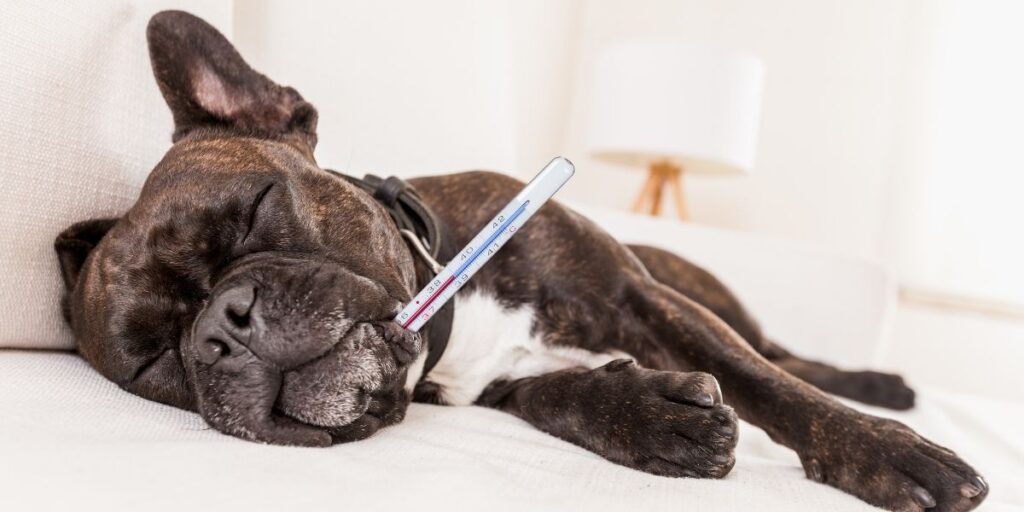
Watch out for worrisome signs:
- Extreme sedation or excitation
- Rapid heartbeat or breathing
- Tremors, seizures, or collapse
- Vomiting, diarrhea, or constipation
- Dilated pupils
These could signal an overdose—call your vet or poison control right away.
Tips to Use Benadryl Safely
- Vet approval first — always check, especially if your dog is on meds or has health conditions.
- Use correct form — plain diphenhydramine tablets; for small dogs, a veterinarian-prescribed liquid is better
- Dose accurately — use a pill cutter or syringe for small dogs.
- Monitor closely — especially in the first hour after giving.
- Avoid extended use — if symptoms persist, check with your vet for allergy testing or prescription meds like Apoquel .
- Skip before testing — medication can interfere with allergy skin tests; stop 2 weeks prior as advised by your vet
Quick Dosage Table
| Weight (lb) | Tablet Dose (mg) | Liquid Dose (ml at 2.5 mg/ml) |
| 10 | 10 mg | 4 ml |
| 20 | 20 mg | 8 ml |
| 30 | 30 mg | 12 ml |
| 40 | 40 mg | 16 ml |
| 50 | 50 mg | 20 ml |
Why Benadryl for dogs Works
Diphenhydramine blocks histamine, the chemical your dog’s body releases during allergic reactions. It dries up watery eyes, calms sneezing, and reduces swelling
It’s also mildly sedative, which is why pups often get sleepy afterward.
When to Use, When to Skip
Use Benadryl for dogs when:
- Seasonal allergies strike
- Bee stings or insect bites happen at home
- Mild itching flares up
Skip it when:
- Your pup has serious health issues
- You see breathing trouble or massive swelling
- You suspect poisoning or infection—get vet help immediately
What If Allergies Are Constant?
If Fluffy’s scratching a lot, or it’s allergy season all year long, Benadryl might not cut it. Chat with your vet about:
- Prescription antihistamines
- Medicated shampoos
- Allergy shots, elimination diets, or the or omega fatty acids/ best diets for allergies
Recap: Key Takeaways
- Benadryl for dogs = diphenhydramine antihistamine
- Benadryl dosage for dogs = ~1 mg/pound, every 8–12 hours
- Can you give dogs Benadryl? Yes, but vet check first!
- How much Benadryl for a dog? Use the chart above.
- Side effects are mild—just watch for weird behavior.
- Avoid in serious conditions or emergencies.
Final Word
Thinking about Benadryl for dogs? It can be a simple, effective way to help your fur baby feel better—just follow the Benadryl dosage for dogs rules, monitor for reactions, and talk with your vet before starting. It works best for mild allergies, and always, safety first!
Yes, Benadryl can help treat mild allergies in dogs, including itching, swelling, and sneezing. Always check with your vet first.
The standard dosage is 1 mg of Benadryl per pound of your dog’s weight, given 2-3 times daily.
A 25-pound dog can safely take 25 mg of Benadryl (usually one adult tablet), every 8–12 hours. Vet consultation is recommended.
Drowsiness, dry mouth, and a slight upset stomach are common. In rare cases, an overdose may cause tremors or seizures.
Related Posts

Previous Post
Next Post