
Now Reading: Chlorhexidine Shampoo for Dogs: The Secret to a Healthy, Itch-Free Coat
- 01
Chlorhexidine Shampoo for Dogs: The Secret to a Healthy, Itch-Free Coat
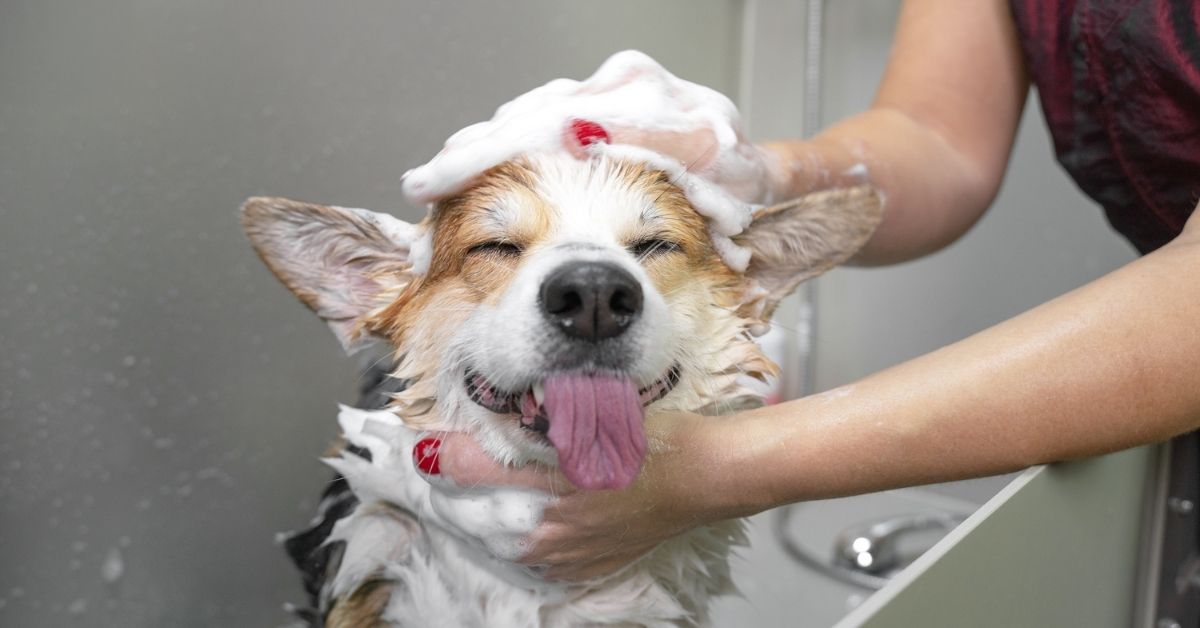
Chlorhexidine Shampoo for Dogs: The Secret to a Healthy, Itch-Free Coat

Say Goodbye to Itchy, Irritated Skin

Hey there, fellow dog lovers! Your furry friend scratching non-stop, patches of red skin, and a coat that just doesn’t look or feel right. It’s heartbreaking, right? Well, if this sounds familiar, chlorhexidine shampoo for dogs might just be the game-changer you need. Today, I’m going to break it down for you in plain, simple language, so you can finally give your pup the relief they deserve.
Why Chlorhexidine Shampoo for Dogs?
First things first—what exactly is chlorhexidine, and why is it such a big deal in dog shampoos? Chlorhexidine is a powerful antiseptic and antibacterial agent that fights bacteria and yeast infections on your dog’s skin. This means it’s perfect for pups suffering from hot spots, itchy skin, or fungal infections.
Unlike regular dog shampoos, a dog shampoo containing chlorhexidine works directly on the source of irritation rather than just masking the problem. Think of it as a superhero for your dog’s skin!
Different Options: Choose the Best!
When it comes to chlorhexidine, not all shampoos are created equal. Here’s a quick guide:
Chlorhexidine 4% shampoo for dogs
This is one of the most popular choices. The 4% concentration makes it strong enough to fight stubborn bacterial and fungal infections but still safe when used as directed.
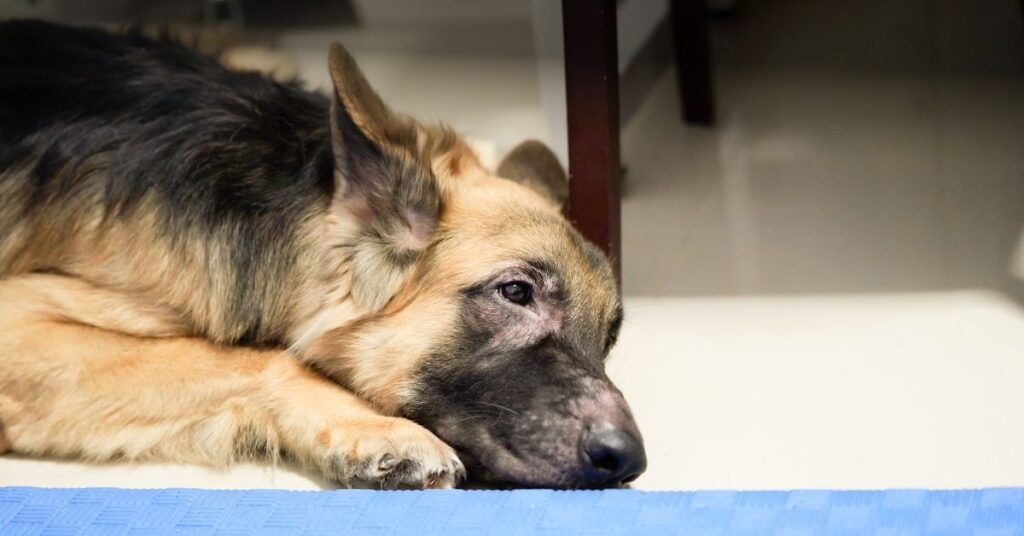
4% chlorhexidine dog shampoo
Same as above, just another way brands label it. Look for reputable brands to ensure quality of Chlorhexidine shampoo for dogs.
Dog shampoo with chlorhexidine and ketoconazole
If your pup has a fungal infection along with bacterial issues, this combination can be especially effective. Ketoconazole adds antifungal power, making the shampoo double trouble for itchy skin problems.
Ketochlor shampoo
A combination shampoo widely recommended by vets for severe skin conditions.
No matter the brand, the key is consistency. You can’t just use it once and expect miracles; regular baths (as per vet instructions) are essential to see results.
Also Read: Indoor Dog Training: Simple Steps for a Happy, Well-Behaved Pup
How to Use Chlorhexidine Shampoo for Dogs
Now, here’s where most dog owners get confused. Using a medicated shampoo isn’t like your regular bath routine. Here’s a simple step-by-step guide:
- Wet your dog’s coat thoroughly. Make sure the water is lukewarm—too hot or too cold can irritate sensitive skin.
- Apply the shampoo generously. Focus on the itchy, irritated areas first.
- Massage it in. Don’t just pour it on; gently massage to ensure it reaches the skin.
- Let it sit. This is crucial! Most chlorhexidine shampoos need to stay on the skin for at least 5–10 minutes to work effectively.
- Rinse thoroughly. Any leftover shampoo can cause irritation.
Repeat as recommended by your vet—usually 2-3 times a week for ongoing skin issues.
You May Love Knowing: Frontline and Frontline Plus: What Every Pet Owner Should Know
Benefits Beyond Itch Relief

You might think it’s just about stopping scratching, but Chlorhexidine shampoo for dogs does a lot more:
- Reduces odor caused by bacterial or fungal infections.
- Helps prevent recurring hot spots.
- Promotes a healthier, shinier coat.
- Can even complement your dog’s oral health if used alongside proper dental care (skin and coat health are often linked to overall wellness!).
Common Concerns
- Will it dry my dog’s skin? Some shampoos can be a bit drying, especially with frequent use. Always follow up with a vet-approved conditioner if needed.
- Is it safe for puppies? Generally yes, but check with your vet for pups under 12 weeks old.
- Can I use it on cats? No! Chlorhexidine concentrations are different for cats, and some ingredients may be harmful.
Combining Chlorhexidine with Ketoconazole
For more stubborn infections, shampoos like chlorhexidine ketoconazole or dog shampoo with chlorhexidine and ketoconazole are lifesavers. They fight both bacteria and fungal infections at the same time. This combo is particularly useful for dogs prone to yeast overgrowth or recurring fungal issues.
Happy Bath!
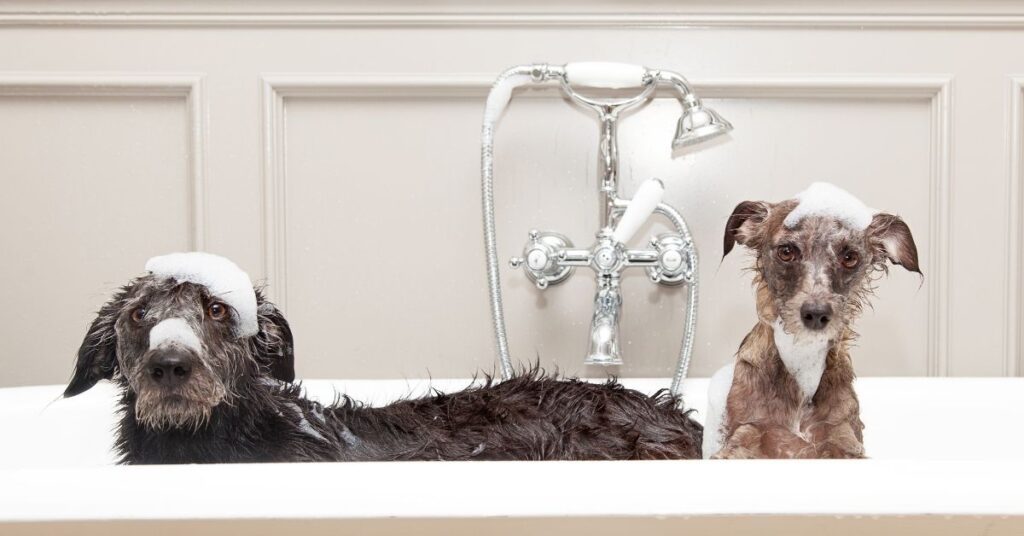
Your dog’s skin and coat health shouldn’t be an afterthought. Using chlorhexidine dog shampoo correctly can make a world of difference. From chlorhexidine 4 shampoo for dogs to ketochlor or chlorhexidine ketoconazole, there are plenty of options to suit your pup’s specific needs.
Remember, always consult your vet before starting a new medicated shampoo, but once you do, you’ll likely see your furry friend scratching less, smelling fresher, and looking happier in just a few weeks.
So, if your dog’s scratching is driving you crazy, it’s time to give chlorhexidine shampoo for dogs a try. Your pup’s coat—and your peace of mind—will thank you.
FAQ
A: Typically, 2-3 times per week or as directed by your vet. Overuse can dry out your dog’s skin.
A: Yes, but it’s best to alternate or use a gentle, hypoallergenic shampoo. This ensures your dog’s skin isn’t irritated further.
A: Absolutely! By controlling bacteria and fungi, it reduces flakiness and improves overall coat health.
Related Posts


Previous Post
Next Post